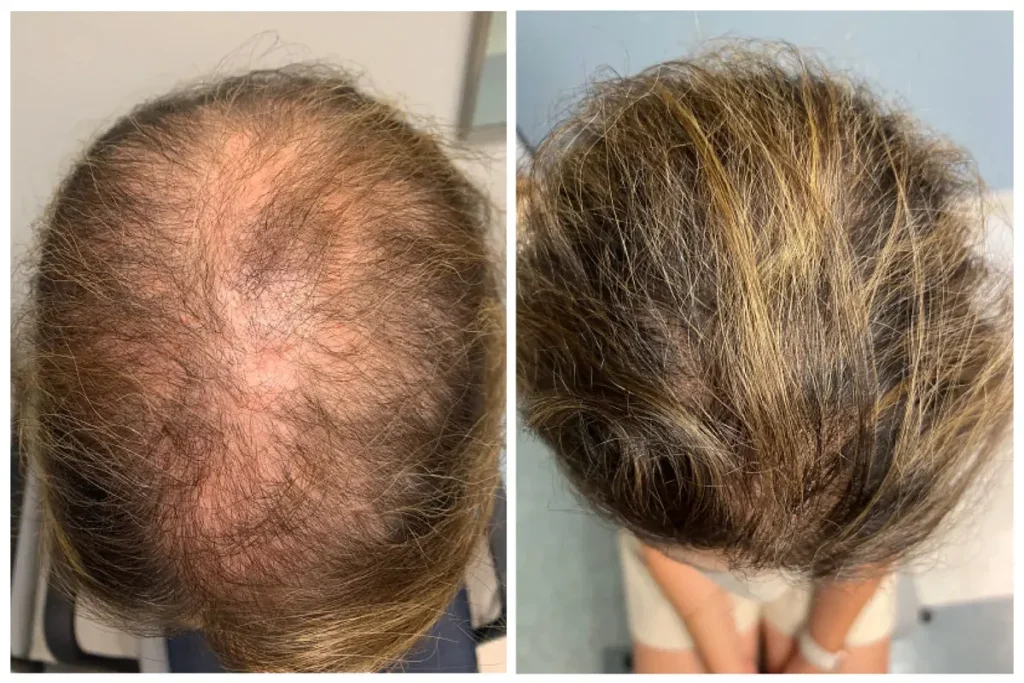
Alopecia areata is an autoimmune condition that causes hair loss, affecting millions globally. Effective treatment options are available, and topical steroids are a common first-line treatment. At GoldCity Center, we focus on evidence-based care that respects your preferences and disease severity. Alopecia areata topical treatments offer great results. See which creams and steroids work best for localized hair regrowth on the scalp.
Topical corticosteroids reduce inflammation around hair follicles, helping hair grow back. They come in various forms, like creams, ointments, and foams. This makes them a versatile option for alopecia areata treatment.
Belangrijkste opmerkingen
Topical steroids are a common treatment for alopecia areata.
They reduce inflammation around hair follicles, promoting hair regrowth.
Various formulations are available, including creams, ointments, and foams.
Evidence-based care is key for effective treatment.
Consider individual preferences and disease severity.
Understanding Alopecia Areata and Topical Steroid Treatment
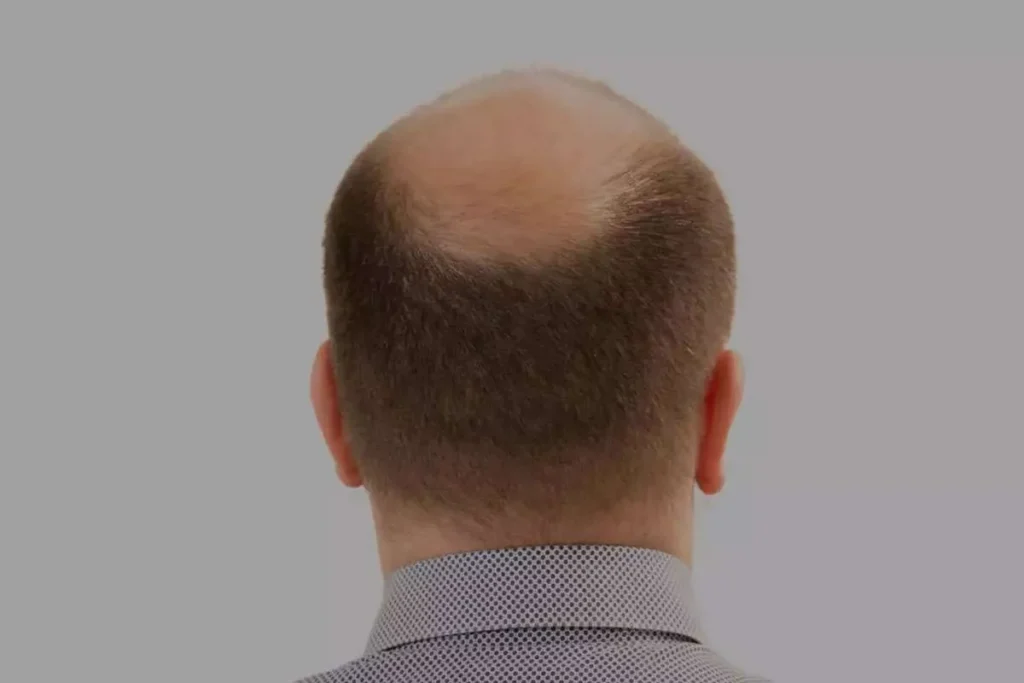
Alopecia areata is an autoimmune disorder that causes hair loss. It can be managed with topical steroid treatments. This condition happens when the immune system attacks hair follicles, leading to hair loss on the scalp or other areas.
Wat is Alopecia Areata?
Alopecia areata is unpredictable, with hair loss happening suddenly or slowly. It can affect anyone, at any age or gender. The severity can range from mild to severe. Recent studies show that topical corticosteroids are a common treatment for it.
“Alopecia areata is not just a cosmetic issue; it’s an autoimmune condition that requires a complete treatment plan,” says a leading dermatologist.
How Topical Steroids Work Against Autoimmune Attacks
Topical steroids reduce the immune system’s attack on hair follicles, promoting hair growth. They are applied directly to the affected area, making them a targeted treatment. The effectiveness of topical steroids in treating alopecia areata is well-documented, with many patients seeing significant hair regrowth.
Who Benefits Most from Topical Treatment
Patients with mild to moderate alopecia areata benefit most from topical steroid treatments. These treatments are often recommended first because they have fewer side effects than systemic treatments. It’s important for patients to talk to a dermatologist to find the best treatment for their condition.
Effective Alopecia Areata Topical Steroid Options
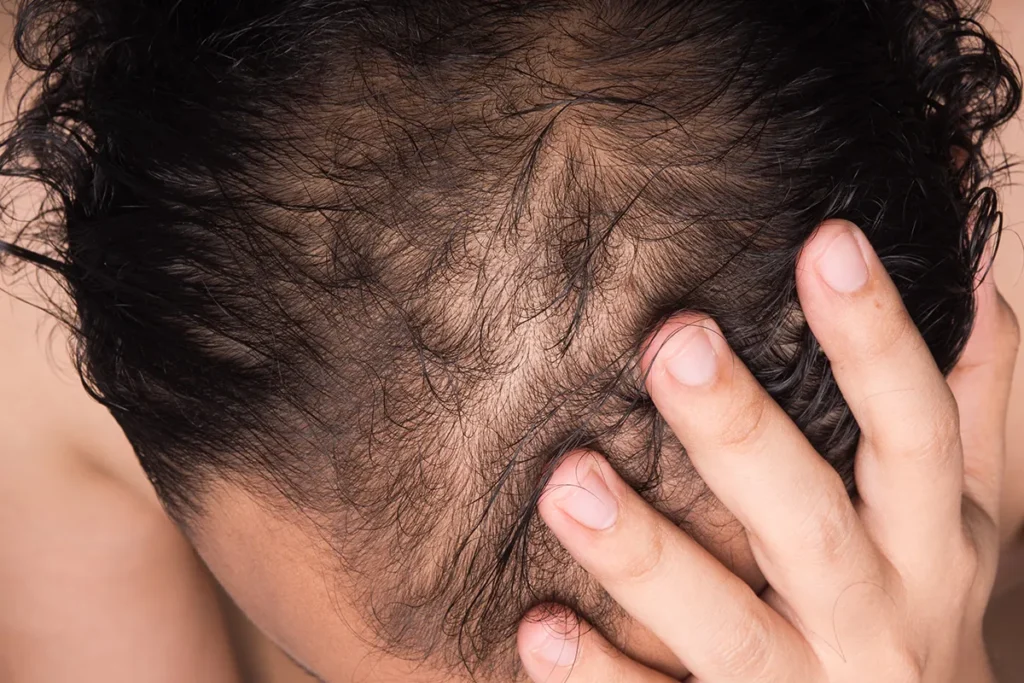
Topical corticosteroids are a key treatment for alopecia areata. They come in different forms and are vital for managing the condition. They help in promoting hair regrowth.
Types of Topical Corticosteroids and Their Potency
Topical corticosteroids range from mild to very potent. The right choice depends on the severity of alopecia areata and how well the patient responds to treatment. High-potency corticosteroids are used for severe cases. Milder formulations work well for mild cases.
Choosing the Right Formulation (Creams, Ointments, Foams, Lotions)
The type of topical corticosteroid can affect how well it works and how easy it is to use. Creams moisturize well, while ointments offer a stronger barrier. Foams and lotions are better for hairy areas because they are more cosmetically elegant.
Spotlight on Effective Options: Fluocinolone Acetonide 0.2%
Fluocinolone acetonide 0.2% cream is very effective for treating alopecia areata. Studies show it works well for 61% of patients. Its high potency and cream form make it great for growing hair in affected areas.
When looking at topical steroid treatments, it’s important to consider the benefits and possible side effects. Talking to a healthcare professional can help find the best treatment for your needs.
Application Methods and Treatment Expectations
Topical steroid treatment for alopecia areata works best when applied correctly. Knowing how to use these treatments is key to their success.
Stap-voor-stap aanvraaggids
To apply topical steroids right, follow these steps:
Ensure the affected area is clean and dry.
Apply a thin layer of the steroid cream or ointment to the affected area.
Gently massage the area until the product is fully absorbed.
Follow the dosage instructions provided by your healthcare professional.
For the best results, stick to your application routine and be patient with the treatment.
Treatment Duration and Monitoring Progress
The time needed for treatment with topical steroids varies. It’s important to watch your progress and adjust your treatment as needed.
Regular visits to your healthcare provider are key to check if the treatment is working and make any needed changes.
Managing Side Effects and Recurrence Rates
Topical steroids are usually safe but can cause side effects like skin thinning, discoloration, and irritation. It’s important to manage these side effects and understand the risk of the condition coming back.
For more on other treatments, like topical immunotherapy, check out this resource for a detailed look.
By knowing how to apply treatments, what to expect, and the possible side effects, you can make smart choices about your alopecia areata treatment. This empowers you to manage your condition and work towards a fuller hairline.
Conclusie
Topical corticosteroids are a good choice for treating alopecia areata. They are safe and effective. Knowing how they work helps people manage their condition better.
Choosing the right topical corticosteroid is key to hair growth. There are creams, ointments, and foams to pick from. Fluocinolone Acetonide 0.2% is a strong option for treating alopecia areata.
Using topical steroids as directed can lead to more hair. Even though hair loss can come back, these treatments are very helpful. They are a big part of treating alopecia areata.
Looking into topical steroids could change how you deal with alopecia areata. The right treatment can bring back your confidence and give you more hair.
FAQ
What are topical steroids, and how do they help with alopecia areata?
Topical steroids are creams, ointments, or foams for the scalp. They reduce inflammation and help hair grow back in alopecia areata. They fight the autoimmune attack on hair follicles.
Are topical steroids effective for treating alopecia areata?
Yes, topical steroids are a common and effective treatment for alopecia areata, mostly for mild cases. They reduce inflammation and help hair grow back.
What are the different types of topical corticosteroids used for alopecia areata?
There are creams, ointments, foams, and lotions with different strengths. Fluocinolone acetonide 0.2% cream is a strong option that helps hair grow back.
How do I apply topical steroids for alopecia areata?
Gently massage the cream or foam into the affected area. Follow the recommended dosage and treatment time. Watch for progress and adjust treatment if needed.
What are the possible side effects of using topical steroids for alopecia areata?
Side effects include skin thinning, redness, and irritation. To avoid these, follow the treatment plan and talk to a healthcare professional if problems arise.
Can topical steroids cure alopecia areata?
Topical steroids can help hair grow back and reduce inflammation. But, they might not cure alopecia areata completely. The condition can be unpredictable, and it might come back.
How long does it take to see results from topical steroid treatment for alopecia areata?
Results can take a few weeks to months. Being consistent and patient is important. Also, keep an eye on progress and adjust treatment as needed.
Are there any alternative treatments for alopecia areata beside topical steroids?
Yes, other treatments include corticosteroid injections, minoxidil, and immunotherapy. Talking to a healthcare professional can help find the best treatment for you.
Can I use topical steroids for alopecia areata on children?
Topical steroids can be used on children, but it’s important to talk to a healthcare professional. They will decide the right strength and treatment time for kids.
How can I manage recurrence of alopecia areata after topical steroid treatment?
To manage recurrence, keep watching the condition. Talk to a healthcare professional for advice on adjusting treatment or trying other options.
Referenties
Nationaal Centrum voor Biotechnologie-informatie. Evidence-Based Medisch Inzicht. Opgehaald van https://pmc.ncbi.nlm.nih.gov/articles/PMC12126370/