Seeing smooth, circular bald patches in your beard can be upsetting and confusing. Alopecia barbae, a specific form of alopecia areata, leads to sudden beard hair loss. This loss deeply affects men’s self-esteem and confidence.
Understanding this condition is the first step to effective treatment and recovery. With the right diagnosis and therapies, many men regain their confidence and grow a fuller beard. Alopecia facial hair loss requires targeted care. Discover the best solutions to stop bald patches on your face and promote hair regrowth.
By learning about the causes, symptoms, and treatments for alopecia barbae, you can restore your beard’s natural beauty and confidence.
Belangrijkste opmerkingen
Understanding alopecia barbae is key to effective treatment.
Proper diagnosis is essential for regaining confidence and a fuller beard.
Evidence-based therapies can help restore beard hair growth.
Alopecia barbae is a form of alopecia areata that affects the beard area.
Treatment options range from topical medications to emerging therapies.
Understanding Alopecia Facial Hair Loss
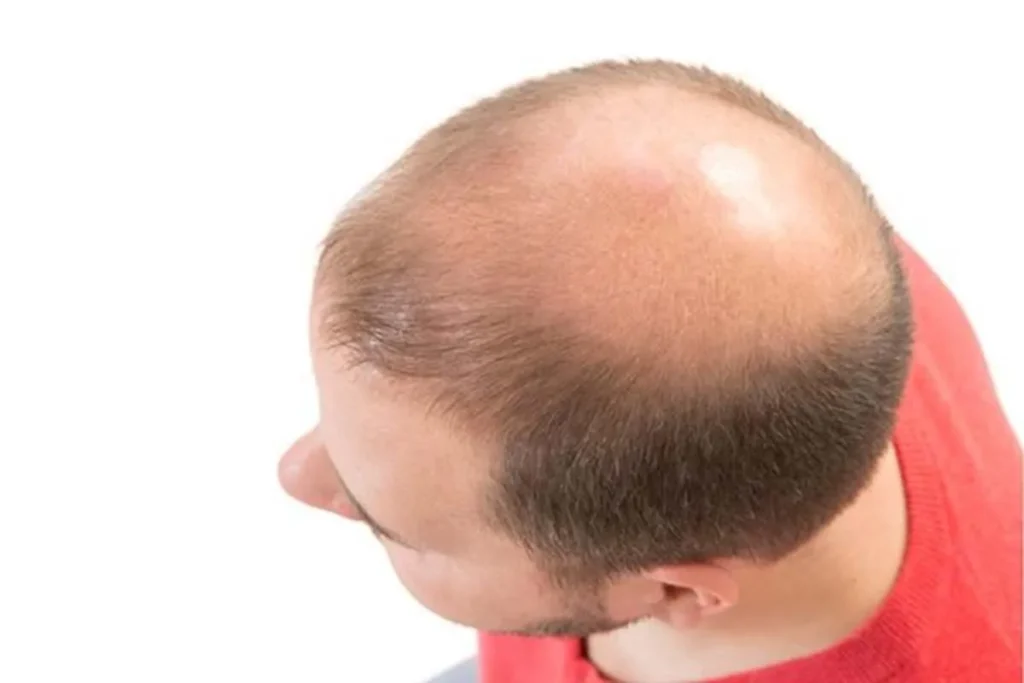
Bald patches on the beard and mustache can be scary. Knowing about alopecia barbae is the first step to dealing with it. Alopecia barbae is a type of alopecia areata that hits the beard and mustache hard.
What Is Alopecia Barbae?
Alopecia barbae is an autoimmune condition that leads to hair loss on the face. It mainly affects the beard and mustache. It’s not contagious and can start at any age, but often begins in the teens or early twenties. For more info, check out this resource on alopecia barbae.
Identifying Beard and Mustache Bald Spots
The condition shows up as small, round bald spots, about the size of a quarter or fifty pence coin. These spots usually pop up along the jawline, neck, and moustache. Spotting these signs early can help find the right treatment.
Common areas affected: Jawline, neck, and moustache area
Characteristics of bald patches: Small, circular, and often smooth
How Alopecia Barbae Differs from Other Hair Loss
Alopecia barbae is different from other hair loss because it only affects facial hair. Unlike other hair loss, it targets the beard and mustache. This makes it a special case that needs its own treatment plan.
Key differences include:
The specific areas affected, such as the beard and mustache.
The autoimmune nature of the condition.
The condition’s visibility on the face.
Knowing these differences is key to finding the right treatment.
Root Causes of Alopecia Barbae
Alopecia barbae comes from many causes, like autoimmune and genetic factors. Knowing these causes is key to finding a good treatment.
Autoimmune Factors Behind Beard Baldness
Alopecia barbae is often tied to autoimmune disorders. The body’s immune system attacks hair follicles, causing hair loss. This is a main reason for bald spots in the beard.
Autoimmune factors are big in alopecia barbae. It’s important to manage these to stop the condition from getting worse.
Genetic Links to Facial Alopecia
Genetics also play a big part in alopecia barbae. People with a family history of alopecia areata or other autoimmune diseases are more likely to lose their beard hair.
Studies show that genetic links can make people more likely to get autoimmune diseases, like alopecia barbae. Knowing your genetic background is very important.
Stress and Environmental Triggers
Stress, both physical and mental, can trigger alopecia barbae. Environmental factors, like certain chemicals and not eating well, can also cause it.
High stress levels can make alopecia barbae worse.
Things like bad nutrition and toxins in the environment can also cause it.
Understanding and dealing with these factors is the first step to managing and treating alopecia barbae.
Effective Treatments for Beard Hair Loss
Find the best ways to fight beard hair loss and get a thick, healthy beard. There’s no permanent fix for alopecia barbae. But, many treatments can help control symptoms and encourage hair to grow back.
Medische ingrepen
There are many medical options for alopecia barbae. Corticosteroid creams can lessen inflammation and boost hair growth. Minoxidil, known for treating androgenetic alopecia, works well for beard loss too. Other treatments include anthralin, JAK inhibitors, and diphencyprone.
These treatments can be very effective. But, it’s key to talk to a dermatologist to find the right treatment for you.
Natuurlijke en levensstijlbenaderingen
There are also natural and lifestyle ways to handle alopecia barbae. Some people find garlic gel, zinc supplements, and biotin help grow hair. Eating well, reducing stress, and avoiding harsh chemicals on your beard also help.
Wanneer een dermatoloog raadplegen
If your beard hair loss doesn’t stop or gets worse, see a dermatologist. They can figure out what’s causing your alopecia barbae and suggest treatments. A dermatologist can also help manage side effects and change your treatment plan if needed.
By using medical treatments and natural methods, you can manage alopecia barbae. This way, you can work towards having a healthy, full beard again.
Conclusie
Understanding and tackling alopecia barbae is key for those facing facial hair loss, like moustache alopecia. Recognizing the causes and trying out treatments is a big step. It helps manage the condition and encourages healthy beard growth.
Acting quickly and sticking to a healthy routine can make a big difference. Most people with alopecia areata can fully recover. But, it might come back. Getting professional help and a plan made just for you can lessen its impact.
Combining medical treatments with natural and lifestyle changes offers a full treatment plan. This approach helps people feel confident again. They can enjoy a healthier and more vibrant beard.
FAQ
What is alopecia barbae, and how does it affect the beard area?
Alopecia barbae is a condition that leads to patchy hair loss in the beard area. It causes bald spots on the beard or mustache. It’s an autoimmune condition that can be triggered by stress and genetics.
What are the symptoms of alopecia barbae, and how can I identify them?
Symptoms include patchy hair loss and bald spots on the beard or mustache. Sometimes, there’s inflammation or redness. If you notice these, see a dermatologist for diagnosis and treatment.
Is alopecia barbae the same as other hair loss conditions, such as alopecia areata?
Alopecia barbae and alopecia areata are related but different. Alopecia barbae affects the beard area. Alopecia areata can happen on the scalp or other parts of the body.
What are the causes of alopecia barbae, and can they be treated?
Causes include autoimmune factors, genetics, and environmental triggers like stress. Treatment options include medical interventions, natural approaches, and lifestyle changes.
Are there any effective treatments for beard hair loss caused by alopecia barbae?
Yes, treatments include medical options like corticosteroids or immunotherapy. Natural approaches include dietary changes and stress management.
Can alopecia barbae be cured, or is it a chronic condition?
There’s no definitive cure, but treatments can manage the condition and promote hair growth. In some cases, it may resolve on its own. Always consult a dermatologist for proper care.
How can I prevent alopecia barbae from recurring?
Manage stress, eat healthily, and avoid harsh chemicals or excessive grooming. These practices can prevent hair loss and recurrence.
When should I consult a dermatologist for alopecia barbae?
If you notice symptoms like patchy hair loss or bald spots, see a dermatologist. They can diagnose and recommend effective treatments.