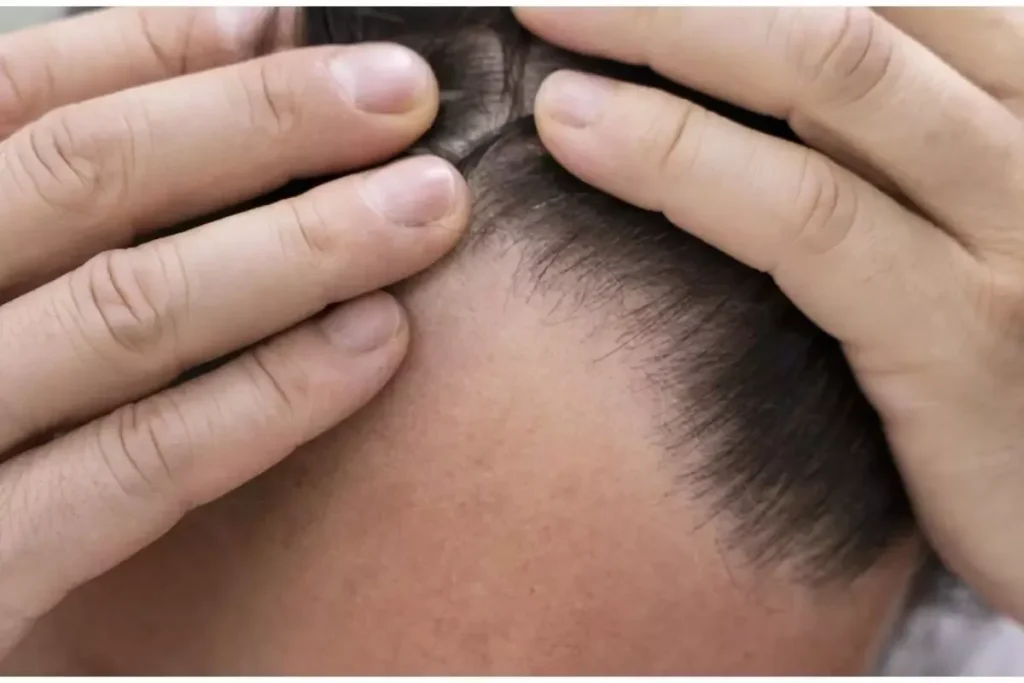
Seeing a bald spot on your child’s head can be scary. Alopecia areata is an autoimmune disease. It makes the immune system attack hair follicles, causing round patches of hair loss. This can happen to kids of all ages and backgrounds, even if they’re healthy.
As a parent, it’s important to spot the early signs of alopecia areata. Knowing what causes hair loss spots and identifying a bald patch helps you get your child the right care. At GoldCity Center, our team of pediatric dermatologists offers caring, focused care for families dealing with this condition.
Belangrijkste opmerkingen
Understanding alopecia areata and its impact on children
Recognizing early signs of hair loss
The importance of prompt diagnosis and treatment
Support available for families affected by alopecia
Expert care from pediatric dermatologists
Understanding Alopecia in Kids
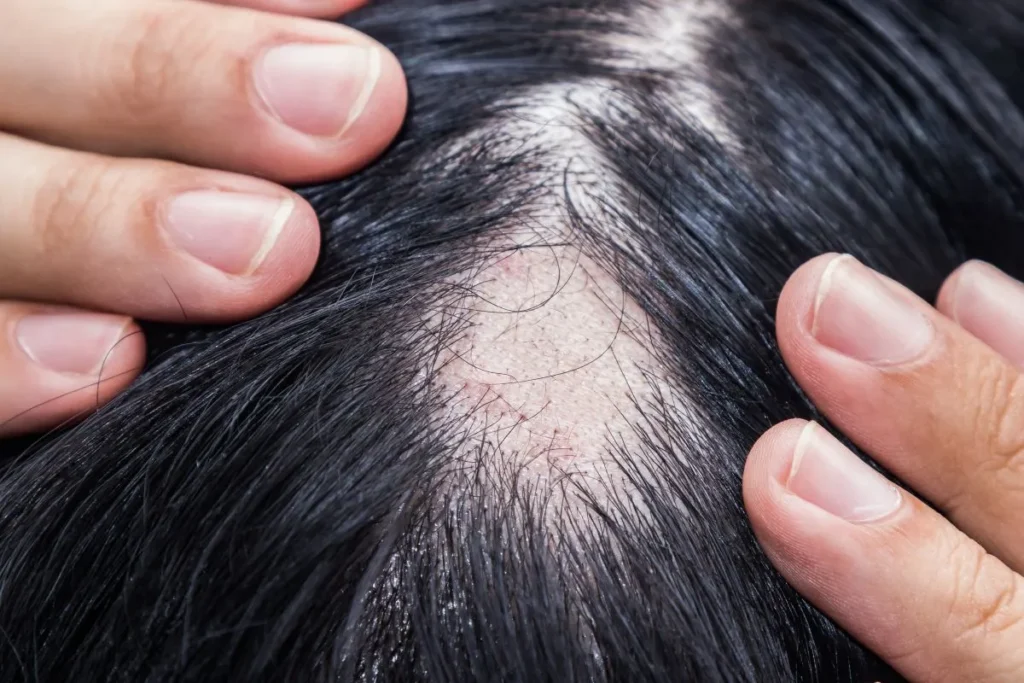
Childhood alopecia, or alopecia areata, is an autoimmune disorder. It can really hurt a child’s self-esteem and well-being. This condition causes smooth bald spots to appear suddenly, without any scaling or broken haren. It can also affect other areas like the eyebrows, eyelashes, arms, legs, and even fingernails or toenails.
What Is This Autoimmune Condition
Alopecia areata happens when the immune system attacks hair follicles by mistake. The exact cause is not known, but it’s thought to be a mix of genetics and environment. Understanding alopecia areata’s autoimmune nature is key to finding good treatments.
This condition can show up in different ways, including:
Smooth bald spots on the scalp
Hair loss on other parts of the body
Nail changes, such as brittleness or pitting
Prevalence and Age of Onset
About 2% of people will get alopecia areata, with 60% of them getting their first patch before 20. This shows how important it is for parents and caregivers to be aware.
Knowing how common and when it starts helps parents watch for signs. They should seek medical help if they see any signs of alopecia areata in their kids.
Key Early Warning Signs to Watch For
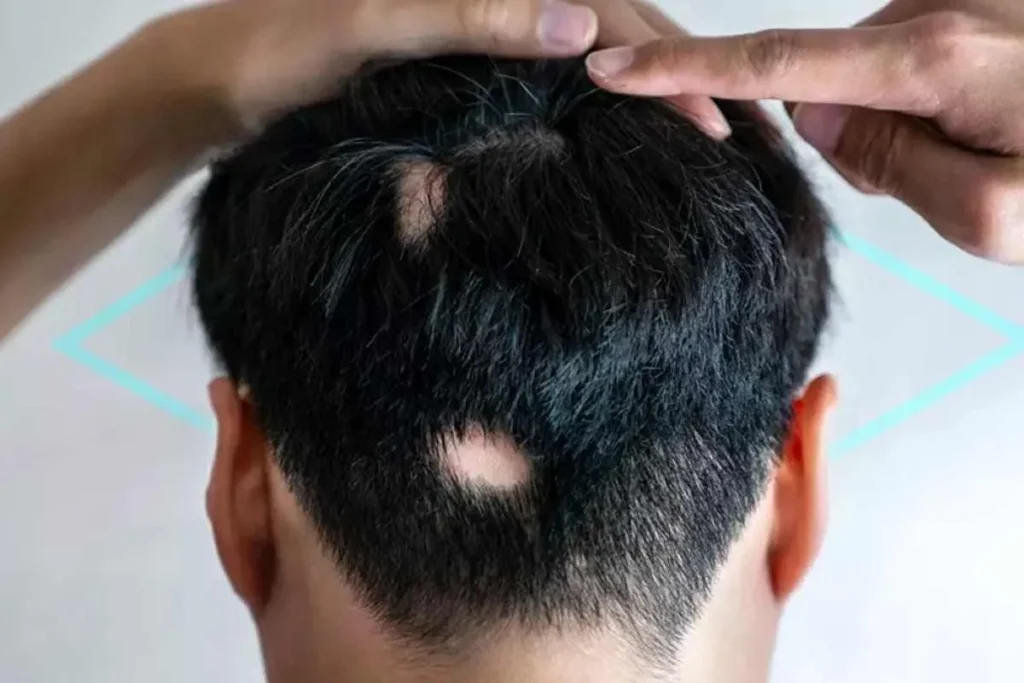
Alopecia areata in children shows up in different ways. Parents and caregivers need to know these signs to get medical help fast.
Sudden Round or Oval Bald Patches
One key sign is round or oval bald patches on the scalp. These patches can grow bigger. Parents say they appear quickly, surprising them.
Exclamation Point Hairs and Other Distinctive Signs
Exclamation point hairs are another sign. These hairs look like an exclamation mark at the base. They’re often seen around the edges of bald spots. Redness or swelling around these areas is also a sign.
Nail Changes and Other Body Areas Affected
Alopecia areata can hit other parts of the body too. Kids might see nail changes like pitting or brittleness. Watching for these signs is important.
Knowing these signs early helps parents act fast. If you think your child has alopecia areata, see a doctor right away.
Different Patterns of Alopecia in Kids
It’s important for parents to know about the different types of alopecia areata. This knowledge helps in finding the right alopecia treatment for kids. Alopecia areata can show up in many ways, and knowing these can guide parents in getting the right help.
Single vs. Multiple Bald Spots
Kids with alopecia areata might have one or more bald spots. A single spot can worry parents, while multiple spots can be harder to handle.
Seeing a bald spot on their child’s head can be scary. If your child is losing hair, seeing a doctor is a good first step.
A single bald spot might grow back on its own.
Multiple spots might need stronger alopecia areata child treatment.
Seeing a doctor early can help manage the condition better.
Regression and Recurrence Patterns
Hair loss from alopecia areata can be hard to predict. Some kids might see their hair grow back, while others might keep losing it. Studies show that half of patients see their hair grow back within a year. But, the condition can come back many times in a child’s life.
If you’ve found a small bald spot on your daughter’s head, watch it closely. Knowing how alopecia areata can come and go helps parents prepare. It also means they can get medical help when needed.
Regular visits to a dermatologist can track the condition.
Some kids might see their hair grow back on its own.
Keeping up with treatment and support is key for kids with alopecia areata.
Being informed and active can help parents support their kids with alopecia areata. This ensures they get the right care and alopecia treatment for kids when they need it.
Conclusion: Supporting Your Child and Seeking Help
Supporting a child with alopecia areata means looking at their emotional and physical health. Knowing about the condition helps you support them better. It’s important to talk openly, listen to their feelings, and let them know they’re not alone.
Getting help for alopecia is key. A healthcare team can offer specific advice and treatments. For more info on alopecia in kids, check out this resource.
Alopecia areata isn’t contagious or dangerous, but it can be tough emotionally. Helping your child feel good about themselves is vital. With the right support, they can face this challenge with confidence.
FAQ
What is alopecia areata, and how does it affect children?
Alopecia areata is an autoimmune condition that causes hair loss. It leads to bald patches on the scalp or other body areas. For kids, it can be very upsetting, affecting their self-esteem and confidence.
What are the early signs of alopecia areata in kids?
Early signs include sudden round or oval bald patches. You might also see exclamation point hairs and nail changes like brittleness or pitting. Knowing these signs helps parents get medical help quickly.
How common is alopecia areata in children?
Alopecia areata can happen at any age, including in kids. About 1 in 1,000 children are affected. This shows why parents and caregivers need to be aware and understand the condition.
Can alopecia areata in kids be treated?
Yes, there are treatments for children with alopecia areata. These include topical corticosteroids, minoxidil, and immunotherapy. The best treatment depends on the child’s condition and medical history.
Will my child recover from alopecia areata?
Recovery from alopecia areata in kids varies. Some may grow their hair back on their own, while others need ongoing treatment. It’s important to talk to a healthcare professional to find the best plan.
How can I support my child with alopecia areata?
It’s key to offer emotional support and reassurance. Let your child share their feelings. If they’re struggling with self-esteem or confidence, consider professional help.
Are there any lifestyle changes that can help manage alopecia areata in kids?
While there’s no sure way to prevent or cure alopecia areata, a healthy lifestyle can help. Eating well and managing stress may support overall health.
Can alopecia areata in kids lead to other health issues?
Kids with alopecia areata might be at higher risk for other autoimmune conditions. These include thyroid disease or vitiligo. Regular health check-ups are important to watch for any related health problems.
Referenties
Nationaal Centrum voor Biotechnologie-informatie. Evidence-Based Medisch Inzicht. Opgehaald van https://pubmed.ncbi.nlm.nih.gov/36279986/





