Alopecia areata is an autoimmune condition that affects up to 2.5% of people in the United States. It has been hard to manage for a long time. But, recent breakthroughs in drug treatments have brought new hope to those who suffer from it. Alopecia tablets offer a new way to fight baldness. Discover the best options for fast results and how these drugs work from the inside out.
This condition causes non-scarring hair loss on the scalp, face, and body. It affects about 2% of the global population. New treatments for alopecia are changing how we deal with it. They offer fast and measurable hair regrowth.
Pharmaceuticals like Pfizer’s Litfulo and Sun Pharma’s Leqselvi are showing great promise. They are changing the way we treat alopecia. These advancements let people unlock their inner glow and own their beauty. It marks a new era in managing alopecia areata.
Belangrijkste opmerkingen
Recent breakthroughs in alopecia drug treatments offer new hope for sufferers.
Innovative treatments have shown significant hair regrowth in clinical trials.
Pharmaceutical interventions are revolutionizing alopecia management.
New treatments empower individuals to regain confidence in their appearance.
Advancements in alopecia treatment are marking a new era in hair regrowth solutions.
Understanding Different Types of Alopecia
It’s important to know about the different types of alopecia to find the right treatment. Alopecia isn’t just one thing; it’s a group of diseases that cause hair loss. Each one has its own challenges and effects.
Alopecia Areata, Totalis, and Universalis Explained
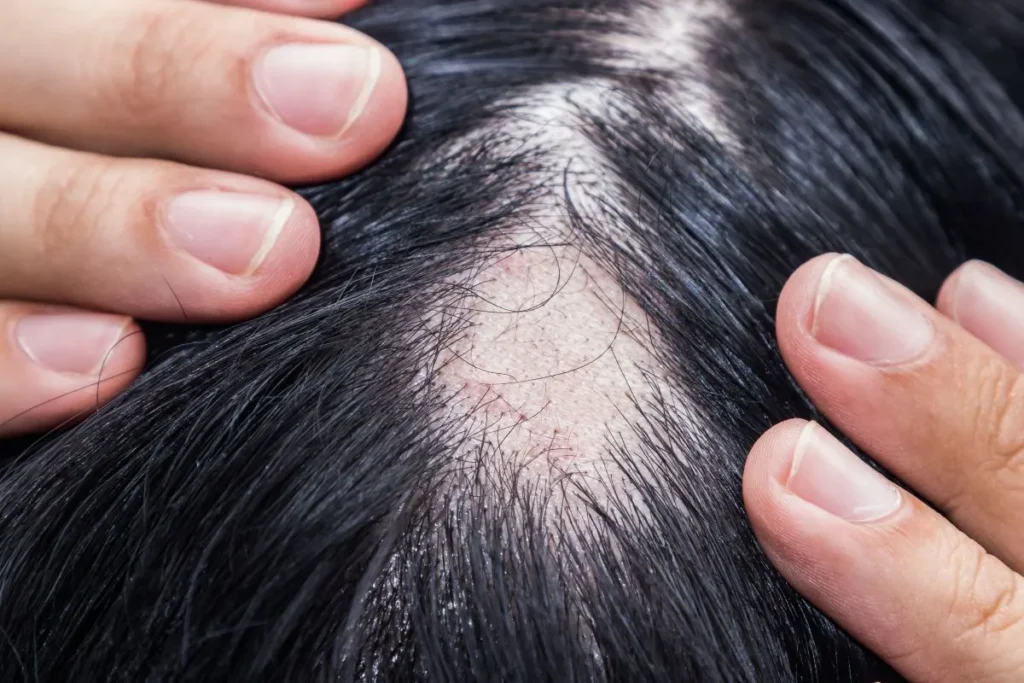
Alopecia areata is an autoimmune disease that causes patchy hair loss. It usually happens on the scalp but can also affect other parts of the body. The immune system mistakenly attacks the hair follicles, making them fall out.
Alopecia totalis is when hair falls out all over the scalp. Alopecia universalis is even more severe, causing hair loss all over the body, including eyebrows and eyelashes.
The exact cause of these conditions is not fully known. But it’s thought to involve genetics, environment, and the immune system. Research shows that the collapse of hair follicle immune privilege is a key factor.
Prevalentie en impact in de Verenigde Staten
Alopecia areata affects about 2% of the world’s population, with many cases in the United States. Alopecia totalis and universalis are less common but have a big impact on people’s lives.
Alopecia affects people not just physically but also emotionally and socially. Finding effective treatments is key to improving their lives. Thanks to research, new treatments like JAK inhibitors offer hope for those dealing with these conditions.
Revolutionary Alopecia Tablets and Oral Medications
The world of alopecia treatment is changing fast with new oral medications. These treatments bring hope to those with alopecia areata, totalis, and universalis.
Litfulo (Ritlecitinib) by Pfizer is a big step forward. It’s a once-daily pill for those 12 and up. Studies show it helps grow hair back in alopecia areata patients.
Litfulo (Ritlecitinib) by Pfizer
Litfulo is a big win for alopecia areata treatment. It’s a major step in helping patients. Studies show it leads to a lot of hair growth.
Key benefits of Litfulo include:
Once-daily oral administration
Approved for patients aged 12 and above
Significant hair regrowth observed in clinical trials
Leqselvi (Deuruxolitinib) by Sun Pharma
Leqselvi (Deuruxolitinib) is another important pill, made by Sun Pharma. It’s a JAK inhibitor for alopecia areata. It’s a new option in the fight against alopecia.
Olumiant (Baricitinib) for Severe Cases
Olumiant (Baricitinib) is a JAK inhibitor for severe alopecia areata. Studies show it works fast, with hair growth in 12 weeks. It’s a strong choice for severe cases.
These new pills and medications are a big deal for alopecia treatment. They look promising and could really help those with alopecia.
Emerging Topical and Alternative Treatments
The world of alopecia treatment is changing with new topical solutions. Research is finding new ways to tackle alopecia areata. This brings hope to those dealing with this condition.
Topical Treatments on the Horizon
One exciting new treatment is Clascoterone 5% Topical Solution. It targets androgen receptors, which are involved in alopecia areata. Early results suggest it could be a good option for those with alopecia areata.
Clascoterone 5% Topical Solution
Clascoterone is a drug that blocks androgen receptors. It’s being tested for treating alopecia areata. The 5% solution is applied directly to the scalp, which might improve results. Its benefits include:
Targeted action on androgen receptors
Potential for improved hair regrowth
Convenient topical application
Fifth Treatment Option: JAK Inhibitor Pipeline
Another promising area is the JAK inhibitor pipeline. Tofacitinib and Ruxolitinib are being explored for alopecia areata. They work by blocking the JAK-STAT pathway, which is linked to hair loss.
Key Features of JAK Inhibitors:
Immune system modulation
Potential for significant hair regrowth
Ongoing research into efficacy and safety
These new treatments hold promise for alopecia areata sufferers. Clascoterone and JAK inhibitors mark a big step forward. They offer hope for better managing the condition.
Conclusion: Choosing the Right Alopecia Treatment
Effective treatments are key for managing alopecia. The right treatment depends on the type and severity of alopecia, and the patient’s needs. New treatments like Litfulo (Ritlecitinib) and Leqselvi (Deuruxolitinib) offer hope for those dealing with hair loss.
When looking into treatment for alopecia universalis or other types, talking to a healthcare professional is vital. They can figure out the cause and suggest the best treatment. This could be a medication like Olumiant (Baricitinib) for severe cases or other therapies.
There’s no single “alopecia cure,” but there are many treatments available. Knowing about the different types of alopecia and their treatments can help. It’s a step towards feeling confident and looking healthy again.
FAQ
What is alopecia areata, and how is it treated?
Alopecia areata is an autoimmune condition that causes hair loss. Treatments include medications like Litfulo, Leqselvi, and Olumiant. These have shown to help hair grow back.
Are there new treatments available for alopecia totalis?
Yes, new drugs like Litfulo and Leqselvi have been approved. They are used to treat alopecia totalis and other forms of alopecia.
What are JAK inhibitors, and how do they work for alopecia?
JAK inhibitors block certain enzymes involved in the immune response. They help treat alopecia areata by reducing inflammation and promoting hair growth.
Is there a cure for alopecia universalis?
There is no definitive cure for alopecia universalis. But treatments like Olumiant have shown promise in managing the condition and promoting hair regrowth.
What is the latest treatment for severe alopecia areata?
Recent treatments for severe alopecia areata include Litfulo, Leqselvi, and Olumiant. These have shown significant efficacy in clinical trials.
Are alopecia tablets effective for everyone?
The effectiveness of alopecia tablets can vary. It depends on the individual and the specific condition. It’s important to consult a healthcare provider to find the best treatment.
What are the possible side effects of alopecia medications?
Common side effects include headache, acne, and upper respiratory tract infections. It’s important to discuss these with a healthcare provider.
Can alternative treatments help with alopecia?
Yes, emerging topical treatments like clascoterone and other JAK inhibitors in the pipeline may offer additional options for managing alopecia.
How do I choose the right treatment for my alopecia?
Choosing the right treatment involves considering the type and severity of alopecia, as well as individual patient needs. Consulting a healthcare provider can help determine the most effective treatment plan.





