Hair loss in teens can really hurt their confidence and mood. It’s key to spot alopecia early to help them feel better. About one in 1000 kids and teens get alopecia teenager areata, an autoimmune disease. It starts suddenly and can cause a lot of worry.
Teens losing hair might feel shy or upset. Knowing why hair falls out, like hormonal shifts, stress, or not eating right, helps find help fast. Look for round or oval bald spots on the scalp as early signs.
Belangrijkste opmerkingen
Spotting alopecia early is vital for quick help.
Alopecia areata hits about one in 1000 young people.
Things like hormones, stress, and diet can lead to hair loss.
Watch for round or oval bald spots on the scalp.
Getting medical help early can manage the condition well.
Understanding Alopecia Areata in Adolescents
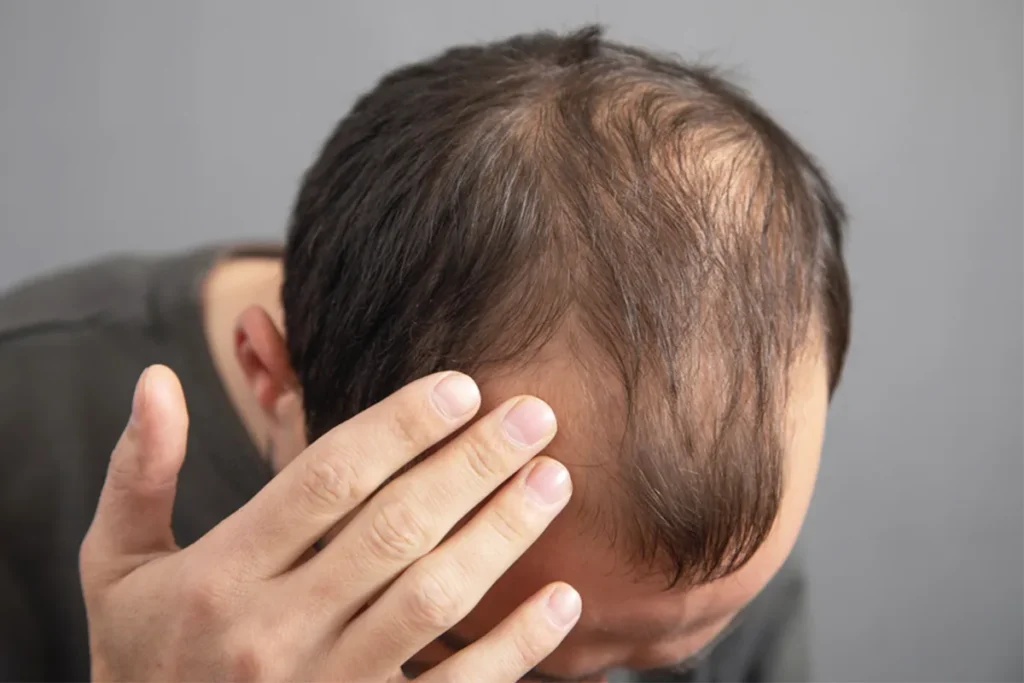
Alopecia areata in teens is a complex issue. It’s an autoimmune disease where the immune system attacks hair follicles. This leads to unpredictable hair loss. It’s tough during adolescence, a time of big changes.
Wat is Alopecia Areata?
Alopecia areata causes patchy bald spots that can appear anywhere, not just on the scalp. It happens when the body’s immune system attacks hair follicles. For more info on supporting teens with alopecia, check out Pfizer’s resource page.
Prevalence and Age of Onset
Alopecia areata is common in kids and teens, with rates between 13.6 and 33.5 cases per 100,000 person-years. It often starts around age 6, but can begin at any time in childhood or adolescence. Here are some important stats:
Incidence rates between 13.6 and 33.5 per 100,000 person-years
Peak onset around age 6
Can occur at any age during childhood or adolescence
Knowing about alopecia areata helps catch it early. Parents and doctors can then work together. This can help lessen its effects on a teen’s life.
Early Warning Signs in Alopecia Teenager Cases
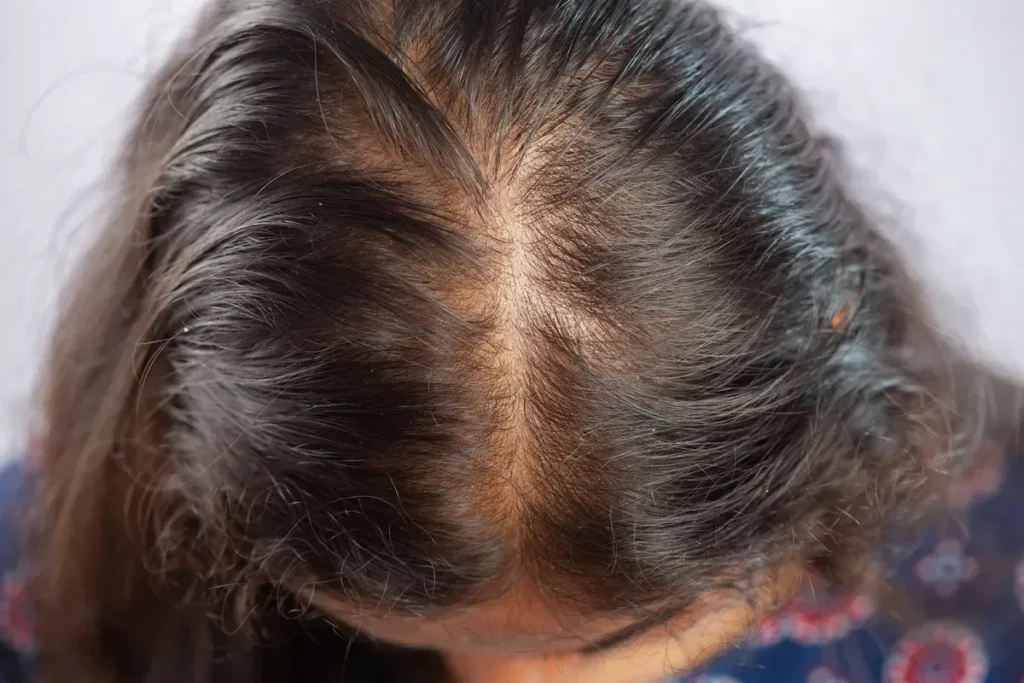
Spotting alopecia in teens is key. Look for hair loss patterns and other signs. If a teen loses hair suddenly, they should see a doctor right away.
Characteristic Hair Loss Patterns
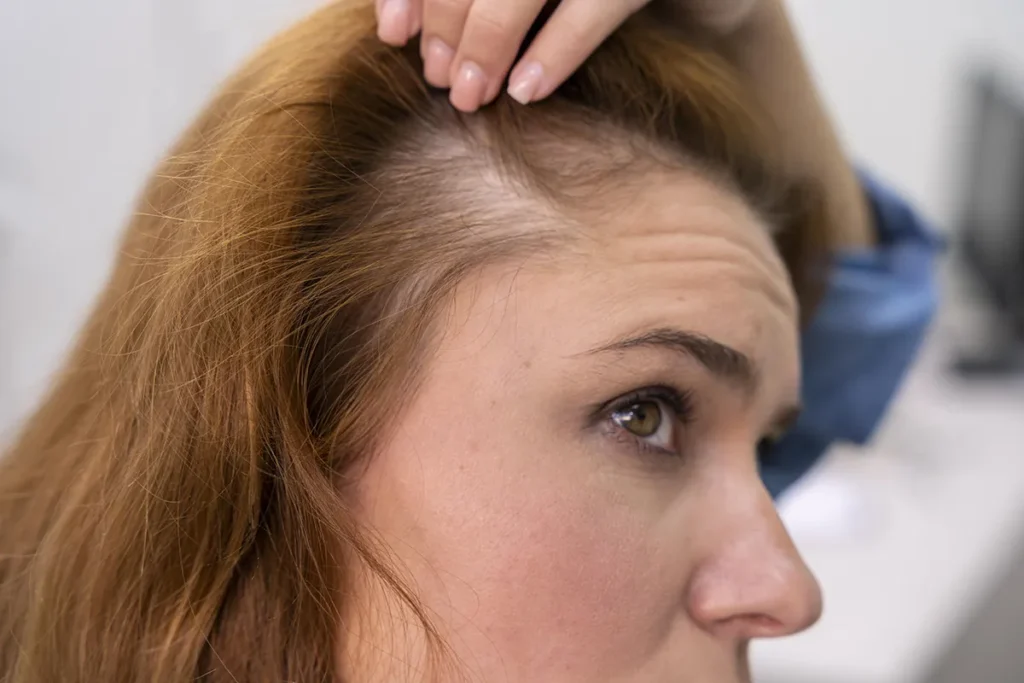
Alopecia areata shows up in certain ways. Teens might see circular or oval bald patches on their scalp. These patches can be smooth or a bit red and swollen.
Some teens might also have scalp irritation or scaling. This can mean their disease is getting worse. Seeing a doctor is important.
The Hair Pull Test and Active Disease
The hair pull test is a simple way to check for alopecia. It involves gently pulling a small tuft of hair. If it comes out easily, it means the disease is active.
Teens with active alopecia might notice their hair falling out in clumps. This can happen when they comb or wash their hair. It’s a clear sign they need medical help.
Eyebrow and Eyelash Involvement
Alopecia areata can also affect eyebrows and eyelashes. This can be very upsetting for teens. It can hurt their self-esteem and confidence.
Knowing these signs helps teens and their parents act fast. This can lead to better treatment and less emotional pain from alopecia.
Wanneer medische hulp zoeken
It’s important to know when to see a doctor for alopecia in teens. If a teen loses a lot of hair suddenly, they should see a dermatologist. A bald spot can be scary, and getting help early is key.
Genetics also matter, with 25% of kids with alopecia having family members with it. Early treatment can help teens regain their hair. They might get creams or other treatments to help.
Acting fast can help stop or reverse hair loss in teens. A dermatologist can figure out what’s wrong and suggest the best treatment. This can help keep their scalp healthy and reduce stress.
FAQ
What are the early signs of alopecia areata in teenagers?
Early signs include sudden hair loss in round or oval patches on the scalp. A positive hair tug test at the disease margins is also a sign. Eyebrows and eyelashes might also be affected.
How common is alopecia areata among children and adolescents?
It affects about one in 1000 kids and teens. The rates are between 13.6 to 33.5 cases per 100,000 person-years.
What is the typical age of onset for alopecia areata?
It usually starts around age 6. But it can happen at any time during childhood or adolescence.
What are the characteristic hair loss patterns in alopecia areata?
The hair loss is in round or oval patches on the scalp. These patches can be smooth or slightly inflamed. Eyebrows and eyelashes might also lose hair.
What is the hair pull test, and how does it indicate active disease?
The hair pull test checks if hairs are easily pulled out. If they are, it means the disease is active.
When should I seek medical help for my teenager’s hair loss?
If your teen loses a lot of hair suddenly, see a dermatologist. They can diagnose and discuss treatment options.
Are there any treatments available for alopecia areata in teenagers?
Yes, treatments include topical corticosteroids and more advanced options. A dermatologist will choose the best treatment based on the condition’s severity.
Is there a genetic predisposition to alopecia areata?
Yes, up to 25% of people with alopecia areata have a family history. This shows a strong genetic link.
Can alopecia areata be treated effectively if caught early?
Catching it early can greatly improve treatment results. It might slow, stop, or even reverse hair loss.
Referenties
National Institutes of Health. Evidence-Based Medisch Inzicht. Opgehaald van https://www.niams.nih.gov/health-topics/alopecia-areata