
For those dealing with hair loss, the ARTAS robotic hair restoration system is a game-changer. It uses advanced artificial intelligence and robotic precision to give natural-looking results. As the first smart hair transplant platform, ARTAS iX combines imaging and robotic skills for top accuracy.
The ARTAS hair restoration system is a modern way to fight hair loss with top tech. Skilled surgeons team up with precise robots for a safe and effective hair transplant. Thanks to its advanced tech and precision, ARTAS gets great results and natural-looking results, making it a top pick for many.
Belangrijkste opmerkingen
ARTAS robotic hair restoration offers a revolutionary approach to hair transplantation.
The system combines AI and robotic precision for natural-looking results.
High success rates and minimal invasiveness make it a preferred choice.
Expert surgeons work alongside robotic assistance for effective results.
The ARTAS iX is the latest evolution in intelligent hair transplant technology.
Understanding the ARTAS Hair Restoration Technology
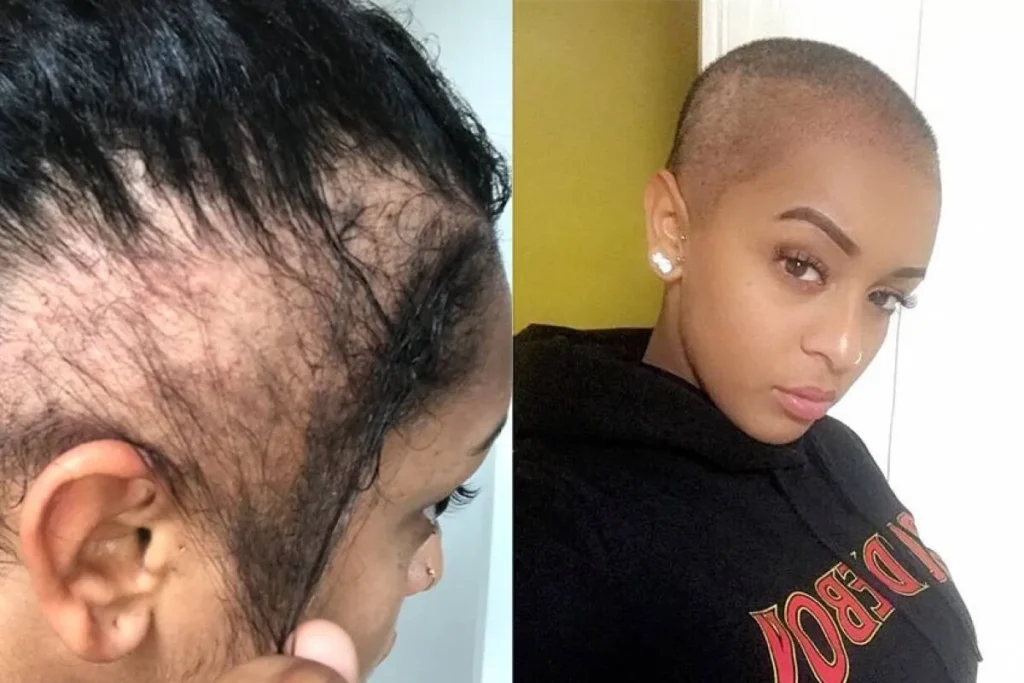
The ARTAS iX brings advanced hair restoration to the table. It combines AI and robotic precision. This system is leading the way in hair transplantation, helping those who are losing their hair.
The ARTAS iX Robotic System uses artificial intelligence to pick the best hair follicles. It does this with advanced imaging and robotic skills. This ensures the transplant process is precise and effective.
How the ARTAS iX Robotic System Works
The ARTAS iX uses advanced imaging to find the best hair follicles for transplant. It then extracts these follicles with great care. This minimizes damage and boosts the chances of the transplanted hair surviving.
Advantages Over Traditional Manual FUE Methods
The ARTAS iX has several benefits over traditional FUE methods. It has lower transection rates and higher precision. Studies show the ARTAS system has transection rates as low as 2-5%, beating manual FUE methods.
Understanding the ARTAS iX technology shows the complexity and innovation in hair transplantation. It offers natural-looking hair growth with minimal scarring and downtime. This makes it a great choice for those looking to restore their hair.
Determining If You’re a Good Candidate for ARTAS

Before starting ARTAS hair restoration, it’s key to check if you’re a good fit. The ARTAS system is a top-notch tech for many hair loss types, mainly androgenetic alopecia. This condition affects many adults worldwide.
Hair Loss Patterns Ideal for ARTAS Treatment
The ARTAS system works well for different hair loss types, like androgenetic alopecia. Androgenetic alopecia, or male/female pattern baldness, is common and treatable with ARTAS. Its robotic tech moves healthy hair follicles to thin spots, giving natural results.
ARTAS can also help with:
Hair loss from injury or surgery
Alopecia areata, sometimes
Thinning hair from aging
Important Health Considerations
ARTAS is a top hair restoration choice, but health matters. You should be healthy and have steady hair loss. Conditions like alopecia totalis or universalis might not work with ARTAS.
Setting Realistic Expectations for Results
Knowing what ARTAS hair restoration can do is important. It can greatly improve hair look and density. But, results vary based on hair loss extent and donor hair quality.
By looking at these factors and talking to an ARTAS expert, you can see if it’s right for you.
Selecting the Best ARTAS Hair Restoration Provider
Choosing the right provider for ARTAS hair restoration is key. With a 91% ‘Worth It’ rating on RealSelf.com and up to 98% success rate, ARTAS is a top choice. Finding the best provider is essential for great results.
Evaluating Surgeon Experience and Credentials
Your surgeon’s experience and credentials are vital. Look for someone with lots of experience in robotic hair replacement. Make sure they are certified and have a good track record with ARTAS.
Also, check their reputation online. Read reviews and testimonials to see how satisfied past patients were.
Reviewing Before and After Portfolios
A good provider will have many before and after photos. These photos show their skill and the quality of their work. Look for consistency in their results and find photos of patients with similar hair loss to yours.
Vragen die u kunt stellen tijdens uw consultatie
Ask important questions during your consultation. Some key ones include:
What experience do you have with ARTAS hair restoration procedures?
Can you share before and after photos of your previous patients?
What are the expected outcomes for my specific case?
What are the possible risks and complications?
For more info on ARTAS hair restoration, visit There, you can learn more and find a qualified provider near you.
Understanding Pricing and Value Considerations
The cost of ARTAS hair restoration varies. It depends on your hair loss and the grafts needed. While cost matters, value is more important.
Think about your surgeon’s qualifications, the care you’ll receive, and the expected results. These factors help determine the value of your ARTAS transplant.
Conclusie: Je uiteindelijke beslissing nemen
The ARTAS iX robotic hair transplant system has changed the game in hair restoration. It offers a modern solution for those dealing with hair loss. Its advanced tech and gentle approach lead to natural-looking results, boosting confidence.
Learning about ARTAS technology and finding a qualified provider is key. This way, you can make a smart choice for a successful hair transplant. The ARTAS system ensures top-notch results, avoiding the quality drop-offs seen in manual methods.
Thinking about ARTAS means you’re looking for a luxury transformation. It’s about gaining a radiant glow and timeless beauty. Armed with this knowledge, you’re ready to take the next step in your hair restoration journey. This will lead to the best results with ARTAS hair restoration.
FAQ
What is the ARTAS hair restoration system?
The ARTAS hair restoration system is a cutting-edge technology. It uses AI and imaging for natural-looking results. It has a high success rate.
How does the ARTAS iX robotic system work?
The ARTAS iX system uses advanced imaging and robotic precision. It extracts and implants hair follicles with great care. This makes the procedure precise and minimally invasive.
What are the advantages of ARTAS over traditional manual FUE methods?
ARTAS has lower transection rates and higher precision. It also offers more natural-looking hair growth. This is thanks to its advanced robotic technology.
What hair loss patterns are ideal for ARTAS treatment?
ARTAS works well for androgenetic alopecia and other hair loss types. The best candidate will depend on individual cases.
What health considerations affect suitability for ARTAS?
Your overall health and certain medical conditions can affect ARTAS suitability. A thorough consultation is needed to determine candidacy.
How do I choose the best ARTAS hair restoration provider?
Look for a surgeon with experience and good credentials. Review before and after photos. Ask questions during the consultation. Consider pricing and value too.
What should I expect from the ARTAS hair restoration procedure?
ARTAS offers a minimally invasive procedure with natural results. But, it’s important to have realistic expectations and understand the possible outcomes.
Is ARTAS hair restoration a permanent solution?
ARTAS can provide long-lasting results. But, the outcome’s longevity depends on your hair loss pattern and health.
How much does ARTAS hair restoration cost?
ARTAS costs vary by provider, location, and individual needs. It’s key to understand pricing and value when choosing a provider.
What is the difference between ARTAS and robotic hair transplant?
ARTAS and robotic hair transplant are the same technology. ARTAS is the brand name for the robotic system.





