Seeing your hair thin on one side can be upsetting. It makes you wonder why it’s happening. Hair thinning, or one sided hair loss, affects both men and women. It can be a sign of a bigger problem that needs to be looked at. Balding on one side of head could be due to several factors. Find the best fixes and medical advice to balance your hair growth today.
Experiencing hair loss on one side of the head can be scary. It gets worse without any clear reason. Experts at places like Wimpole Clinic say it’s important to know why it’s happening. Finding out what’s causing it is the first step to fixing it.
Belangrijkste opmerkingen
Hair thinning on one side is a common condition with various possible causes.
Uneven hair loss can be an early sign of an underlying issue.
Understanding the cause is key to solving the problem.
There are many treatments available, like topical treatments and hair restoration therapies.
Seeing a specialist is a good idea for personalized advice and treatment.
Understanding Balding on One Side of Head

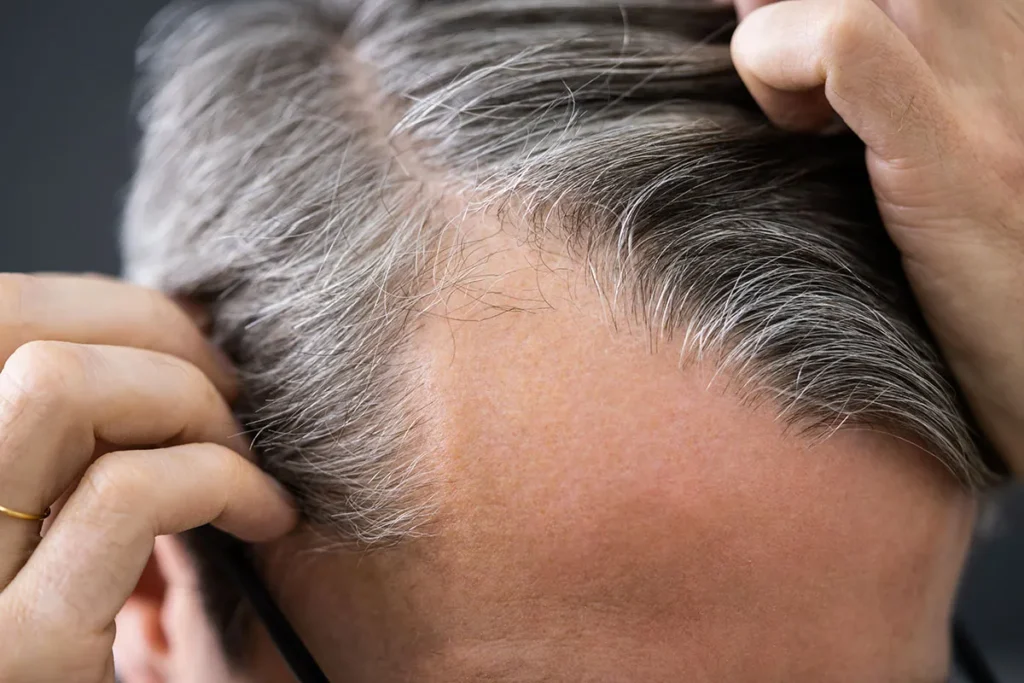
Seeing hair thinning on just one side of your head can be scary. But knowing what’s happening is the first step to fixing it. Unilateral or asymmetrical alopecia is the term for this, where hair loss is more on one side.
What is Unilateral or Asymmetrical Alopecia?
Unilateral or asymmetrical alopecia means hair loss is uneven. One side of your head loses more hair than the other. It can show up as small patches or thinning over a bigger area. If you’re dealing with this, seeing a pro can help. For example, Charles Medical Group offers detailed checks and treatments.
How Common is One-Sided Hair Thinning?
One-sided hair thinning, or unilateral alopecia, is more common than you might think. It’s caused by genetics, stress on hair follicles, and medical issues. While exact numbers vary, it’s clear many people deal with it at some point.
By spotting the signs and knowing the causes, you can fight back against unilateral or asymmetrical alopecia. There are many ways to tackle hair thinning on one side of your head, from medical treatments to changing your hair care routine.
Common Causes of One-Sided Hair Loss
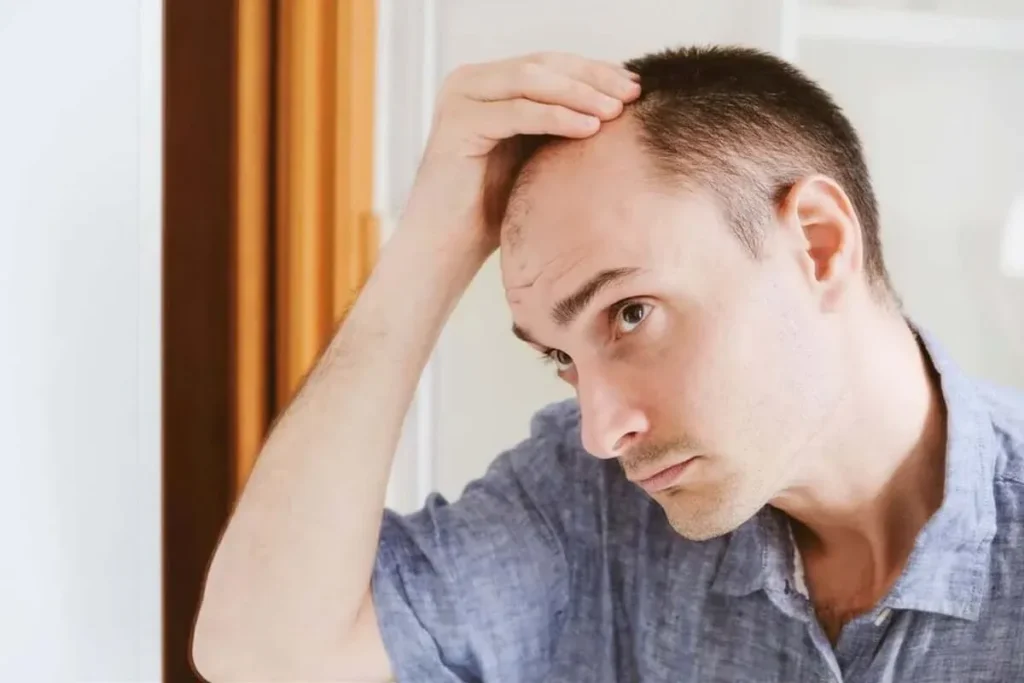
Seeing hair loss on one side of your head can worry you. But knowing why it happens can help find a fix. One-sided hair loss, or unilateral alopecia, comes from genetics, mechanics, and health issues.
Genetische factoren
Genetics greatly affect hair loss, including one-sided types. Androgenetic alopecia, or male/female pattern baldness, can show up more on one side. Knowing this can guide your treatment choice.
Mechanical Causes
Mechanical reasons also cause one-sided hair loss. Traction alopecia happens from hair follicle pulling, often from tight hairstyles. Sleeping on one side can also thin hair due to follicle pressure.
Medical and Autoimmune Conditions
Medical and autoimmune issues can also lead to hair loss on one side. Alopecia areata, an autoimmune attack on hair follicles, is one example. Other conditions like tinea capitis (scalp ringworm) and trichotillomania (hair pulling disorder) can also cause it.
Nerve damage or conditions like a stroke can also impact hair growth on one side. Knowing these causes is key to getting the right treatment.
Diagnose en behandelingsopties
Getting a correct diagnosis is key to treating hair loss on one side of your head. Knowing why you’re losing hair on one side is important. It helps your doctor create a treatment plan just for you.
When to See a Doctor
If you notice hair thinning on one side, see a dermatologist. They can find out why and suggest the best treatment. Seeing a doctor early can make treatments work better.
Diagnostic Procedures
To diagnose hair loss on one side, a dermatologist will look at your scalp and talk about your health and lifestyle. They might do:
Scalp examination to see how much hair is lost and where
Pull test to check if your hair is breaking easily
Trichoscopy for a close look at your hair and scalp
Blood tests to find any health issues
Fungal culture or biopsy if needed
Treatment Approaches Based on Cause
Treatment for hair loss on one side depends on why it’s happening. Here are some common ways to treat it:
Good treatment starts with knowing why you’re losing hair. By figuring out your specific issue, you and your doctor can work together. This way, you can get your hair back to its natural fullness.
Conclusie
Hair loss on one side of the head can be upsetting. But, knowing the causes and getting help early can make a big difference. Finding out why you’re losing hair can lead to ways to grow it back.
There are many reasons for hair thinning on one side, like genetics or health problems. There are treatments for these issues. They can help you get your hair back.
If you’re losing hair on one side, don’t worry. There are steps you can take. Getting the right treatment can help you grow your hair back. This can boost your confidence and make you feel better.
FAQ
What is unilateral or asymmetrical alopecia?
Unilateral or asymmetrical alopecia is hair loss on one side of the head. It leads to uneven hair thinning.
Is hair thinning on one side a common issue?
Yes, it’s common to lose hair on one side. Many things can cause it, like genetics, stress, and medical issues.
Can hair thinning on one side be a sign of an underlying medical condition?
Yes, it can be a sign of a medical issue. This includes alopecia areata, thyroid problems, or autoimmune diseases.
How is one-sided hair loss diagnosed?
Doctors use a few steps to diagnose it. They look at your medical history and do a physical exam. They might also do blood tests or scalp biopsies.
What are the treatment options for hair thinning on one side?
Treatment depends on the cause. It can include medicines, changing your lifestyle, or hair restoration like laser therapy or hair transplants.
Can hair thinning on one side be treated with medication?
Yes, some medicines like minoxidil or finasteride can help. They slow down or reverse hair loss, depending on the cause.
Is hair loss on one side of the head permanent?
Not always. It depends on the cause. Some cases can be treated and hair can grow back.
Can stress cause hair thinning on one side?
Yes, stress can lead to hair loss on one side. Stress hormones like cortisol can disrupt hair growth.
How can I prevent further hair loss on one side?
To prevent more hair loss, live a healthy lifestyle. Reduce stress, use gentle hair products, and avoid too much heat styling or tight hairstyles.
Can I stil achieve a full head of hair if I’m experiencing hair thinning on one side?
Yes, you can get a fuller head of hair with the right treatment. Seeing a dermatologist or hair specialist can help find the best treatment.
Referenties
BMJ (British Medical Journal). Evidence-Based Medical Insight. Retrieved from https://www.bmj.com/content/331/7522/951