
Complications Of Hair Transplant Surgery are avoidable. Get the vital info on risks and side effects to ensure a safe and successful procedure.
Hair transplant surgery has become a reliable solution for those dealing with hair loss. It offers a long-term fix for androgenetic alopecia and other hair loss types.
With over 40 years of clinical experience, this method has shown it’s safe and effective. Yet, like any surgery, it comes with possible risks and complications.
Even though it’s considered low-risk when done by experts, knowing the side effects ofhair transplant is key. This knowledge helps in making better choices.
Belangrijkste opmerkingen
Understanding the risks associated with hair transplant surgery is essential.
Hair transplant complications can be minimized with proper care.
Choosing a reputable clinic is critical for a safe procedure.
Being aware of possible side effects helps in setting realistic expectations.
Experienced surgical teams can significantly reduce the risks.
Understanding Hair Transplant Surgery and Its Safety Profile
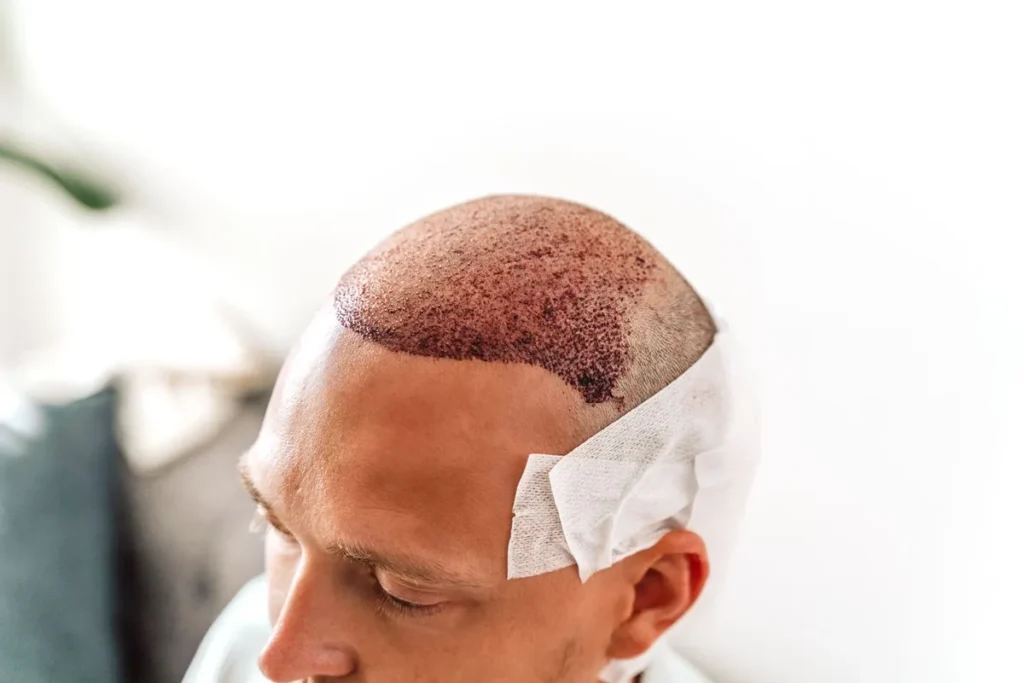
Hair transplant surgery has become a trusted way to restore hair. It’s a big deal for the millions facing hair loss. Knowing its safety is key as it becomes more popular.
The Effectiveness of Modern Hair Transplantation
Today’s hair transplant surgery is very effective. It moves hair follicles from the back to the bald spots. This method works well, with most people seeing new hair growth.
The success of hair transplant surgery is in its natural-looking results. It boosts confidence and looks.
Studies show most patients are happy with their hair transplant results. New techniques like FUE and FUT have made recovery easier. This makes hair transplant a good choice for many.
Statistical Overview of Complication Rates
Hair transplant surgery is generally safe, but it’s good to know about risks. Research shows it’s safer than many other surgeries. About 4.7% of patients face complications, but serious ones are rare.
Side effects like swelling and discomfort are common but short-lived. Serious issues like infections are very rare, affecting less than 5% of patients.
Knowing about complication rates helps ease worries for those thinking about hair transplant surgery. It shows how safe and effective modern hair transplantation is. This knowledge helps people make better choices for their hair restoration.
Common Complications of Hair Transplant Surgery
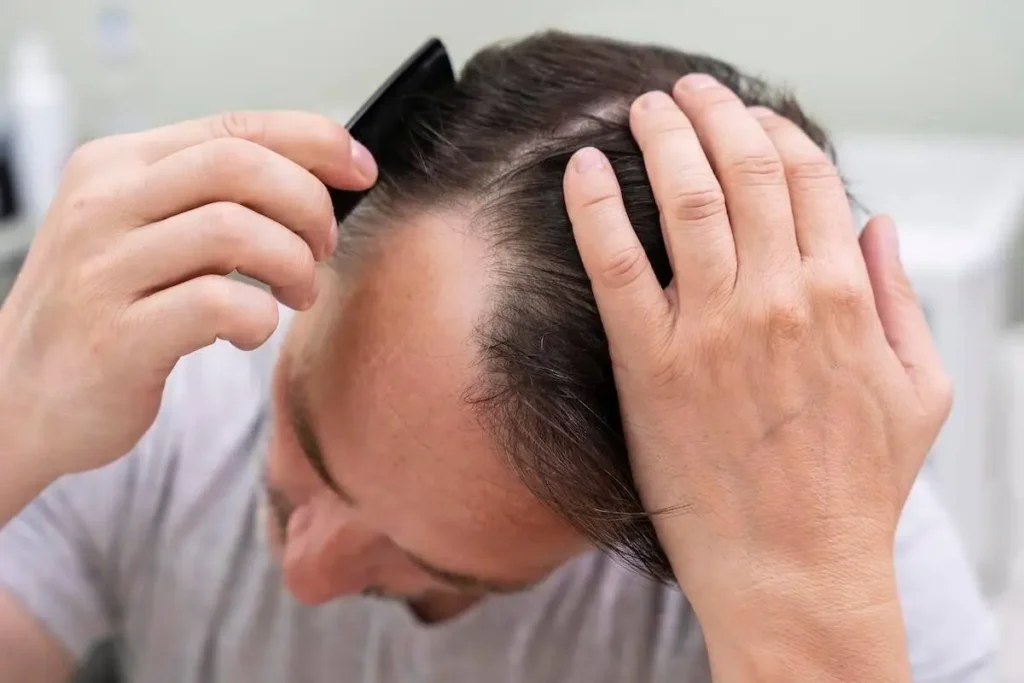
Hair transplant surgery is generally safe but can have some common complications. It’s important for those thinking about it to know these side effects. This way, they can make informed choices and manage their expectations.
Postoperative Edema (Swelling)
Swelling is a common side effect, affecting up to 69.74% of patients. It happens because of the fluids used during the surgery. Knowing it’s normal can ease worries. Swelling usually goes away on its own, but following care instructions can help.
Temporary Hair Loss (Shock Loss)
Temporary hair loss, or shock loss, affects about 42.76% of people. It can be scary if you don’t expect it, but it’s a known side effect. Most of the time, the lost hair grows back. Knowing this can help you feel less worried.
Sterile Folliculitis
Sterile folliculitis, an inflammation of hair follicles, affects about 23.29% of people. It can happen at the donor or recipient sites. Good care after surgery can lower the risk of sterile folliculitis. For more info on hair transplant side effects, visit Philadelphia Hair Restoration.
The main complications of hair transplant surgery are:
Postoperative edema (swelling)
Temporary hair loss (shock loss)
Sterile folliculitis
Knowing about these complications helps you prepare for the surgery. It also helps you understand what to expect during recovery.
Additional Side Effects and Risks
Hair transplant surgery is mostly safe, but there are risks to know. Understanding these can help you make better choices for your hair.
Infection and Prevention Measures
Infections are rare but possible, affecting less than 1% of people. To lower this risk, follow your doctor’s care instructions. This includes keeping your scalp clean and using antibiotics as directed. Prevention is key to avoid infections.
Scarring and Keloid Formation
Scarring is common, mainly with Follicular Unit Transplantation (FUT). While it’s usually small, some might get hypertrophic scarring or keloids. Knowing about scarring can help set realistic expectations.
Numbness and Paresthesia
Numbness in the scalp can happen due to nerve injury. This is called paresthesia and usually goes away by itself. But, in some cases, it might last longer, affecting about 10.96% of people.
Temporary Phenomena (Itching and Crusting)
Itching and crusting are common after surgery. They usually go away in two to three weeks. Avoid scratching to prevent infection and ensure healing.
Knowing about these side effects and risks can help you manage your hair transplant journey. It’s important to make informed decisions about your care.
Conclusion: Minimizing Risks and Ensuring Successful Outcomes
It’s important to know the possible side effects and complications of hair transplant surgery. This knowledge helps those thinking about it to take steps to avoid them. Knowing the risks can help you make better choices for your hair restoration.
Choosing a skilled surgeon and following aftercare instructions can lower the risk of problems. Being informed about the risks helps you make smart decisions for your hair restoration journey. This way, you can achieve the results you want from your hair transplant.
By being proactive in your hair restoration journey, you can get the results you desire. With the right advice and precautions, you can avoid risks and have a successful hair transplant. This ensures you get the hair restoration you’ve always wanted.
FAQ
What are the most common complications of hair transplant surgery?
Common issues after hair transplant surgery include swelling, temporary hair loss, and a mild infection called sterile folliculitis. These problems are usually minor and don’t last long.
What is the risk of infection after hair transplant surgery?
Infection is a rare but possible risk after hair transplant surgery. To lower this risk, it’s key to follow your surgeon’s care instructions and take any antibiotics as directed.
Can hair transplant surgery cause scarring or keloid formation?
Yes, some people may experience scarring or keloid formation after hair transplant surgery. Choosing an experienced surgeon and following care instructions can help reduce this risk.
Is numbness or paresthesia a common side effect of hair transplant surgery?
Yes, numbness or paresthesia can happen after hair transplant surgery. It’s usually temporary and goes away within a few weeks or months.
What are the risks of hair transplant surgery?
Risks include infection, scarring, keloid formation, numbness, and paresthesia. But, most of these are minor and temporary. Hair transplant surgery is generally safe with a low risk of complications.
How can I minimize the risks associated with hair transplant surgery?
To lower risks, choose an experienced surgeon and follow their care instructions. Also, take any prescribed medications as directed.
Are there any long-term side effects of hair transplant surgery?
Some people might face long-term side effects like scarring or persistent numbness. But, these are rare. Most people see successful results with minimal long-term risks.
What is the likelihood of complications from hair transplant surgery?
Complications from hair transplant surgery are rare, with most being minor and temporary. Knowing the risks and taking steps to avoid them can help ensure a successful outcome and meet your hair restoration goals.
Referenties
Nationaal Centrum voor Biotechnologie-informatie. Evidence-Based Medisch Inzicht. Opgehaald van https://pubmed.ncbi.nlm.nih.gov/25049123/





