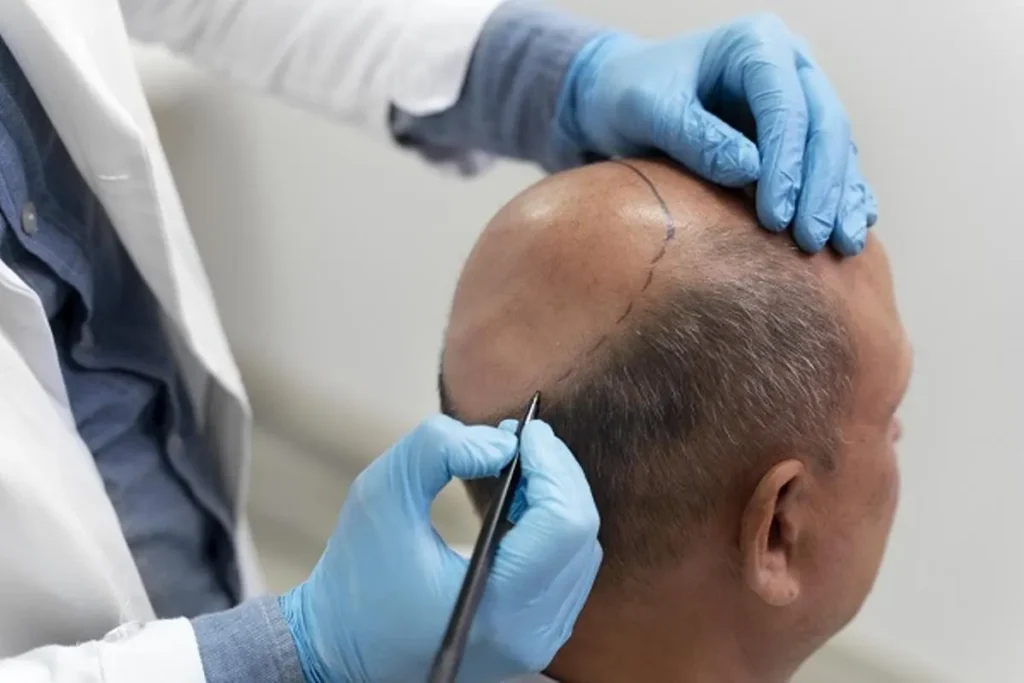
Hair transplantation is a common way to regain hair and confidence. It’s important to know the differences between FUE and FUT hair transplants. Both are known for giving natural-looking results.
In 2022, 75.4% of male patients worldwide chose FUE hair transplant surgery. This shows FUE is popular, but FUT is also a good choice for many. This article will help you understand both methods better, so you can choose the best one for you.
Belangrijkste opmerkingen
Understanding the differences between FUE and FUT hair transplants is key to making a good choice.
FUE hair transplant surgery is the top choice for many patients globally.
Both FUE and FUT methods give natural-looking, permanent results.
The right choice between FUE and FUT depends on your personal needs and preferences.
It’s vital to talk to a professional to find out the best hair transplant method for you.
Understanding Hair Transplantation Methods
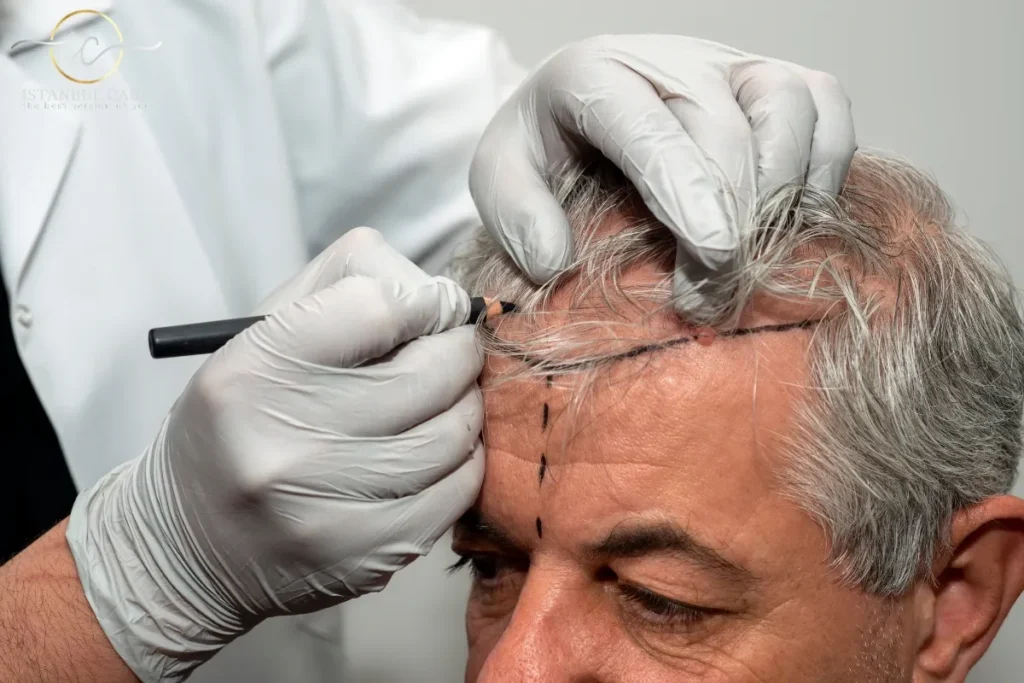
Difference Between Fue And Fut? Follow our best guide to understand the scarring, recovery time, and results of each hair transplant method.
Hair loss affects millions, leading to a rise in hair transplantation. This method offers a lasting fix for a natural hairline. It’s key to know the details of these methods for those looking to regain confidence.
The Growing Popularity of Hair Restoration
Hair restoration is now more popular, thanks to tech and technique improvements. FUE (Follicular Unit Extraction) and FUT (Follicular Unit Transplantation) offer natural-looking results. They meet different needs and preferences.
Choosing between FUE and FUT depends on several things. These include the extent of hair loss, donor hair, and personal views on scarring and recovery. Knowing the differences is vital for a well-informed choice.
Overview of Modern Transplantation Techniques
Modern hair transplant methods have made procedures more advanced and less invasive. FUE takes individual follicular units from the donor area. FUT removes a strip of scalp with many hair follicles. Each method has its benefits and is best for certain patients.
The extent of hair loss and the number of grafts needed
The quality and amount of donor hair
Preferences on scarring and recovery time
The surgeon’s skill and advice
Understanding these points and the details of each technique helps in making a better choice. Whether it’s the less invasive FUE or the traditional FUT, the aim is the same. It’s to get a natural-looking hairline that boosts confidence and beauty.
Follicular Unit Extraction (FUE) Explained
Follicular Unit Extraction, or FUE, is a new hair transplant method. It’s known for being less invasive. This method takes out individual hair follicles from the donor area. It leaves little scarring and looks natural.
The FUE Procedure Step-by-Step
The FUE process starts by finding the donor area. This is usually at the back and sides of the head. The hair here is thicker and lasts longer.
The steps include:
Preparation of the donor area, including trimming the hair to facilitate extraction.
Extraction of individual follicular units using a micro-motorized tool.
Creation of recipient sites in the balding areas.
Transplantation of the extracted follicles into the recipient sites.
This careful process makes sure the transplanted hair looks natural. It blends with the existing hair.
Advantages and Limitations of FUE
FUE is loved for its minimally invasive nature and reduced scarring. It’s great for those who want short hair or worry about scars. It also has a faster recovery time than older methods.
But, FUE has its downsides. It’s a time-consuming procedure that needs skill. It might not work for everyone, like those with a lot of hair loss. It can also be more expensive than FUT.
When looking at fue hair transplant vs fut, or fue versus fut, think about what you need. FUE is good for those who want less scarring. But FUT might be cheaper for bigger hair loss areas.
The Difference Between FUE and FUT Hair Transplant
Understanding the difference between FUE and FUT hair transplants is key for good results. Both methods are popular for treating hair loss. Yet, they have different approaches, benefits, and drawbacks.
Follicular Unit Transplantation (FUT) Procedure
Follicular Unit Transplantation (FUT) takes a strip of scalp from the donor area. It’s then cut into individual follicular units. These units are transplanted into the recipient sites. This method is good for getting a lot of grafts at once.
The FUT procedure is best for those needing many grafts for more hair density. But, it’s important to think about the recovery time and scarring it might cause.
Recovery Time Comparison
Choosing between FUE and FUT depends a lot on recovery time. FUE has a shorter recovery because it’s less invasive. Most people can go back to normal in a few days. FUT, with the removal of a scalp strip, takes longer to heal and can be more uncomfortable.
Experts say FUT recovery can take 1-2 weeks for the donor area to heal. For more info on FUE and FUT, check out this resource.
Scarring Considerations
Scarring is a big factor when choosing between FUE and FUT. FUE leaves small dots that are barely noticeable. FUT, on the other hand, leaves a linear scar, which can be a concern for those who like to wear their hair short.
The scar’s visibility depends on the surgeon’s skill and your healing. Talking to a hair restoration specialist can help understand the scarring possibilities.
Cost Analysis of Both Methods
The cost of FUE and FUT hair transplants varies. It depends on grafts needed, clinic location, and surgeon’s expertise. FUE is usually pricier because it’s more labor-intensive and uses advanced technology.
FUT might be cheaper per graft but can have extra costs for the procedure’s complexity and post-op care. Getting a detailed cost breakdown from a specialist is important to find the best value for your needs.
Conclusion: Which Hair Transplant Method Is Right For You?
Choosing between FUE and FUT hair transplants depends on your needs and what you prefer. Both methods can give you natural-looking results if done by experts.
When looking at fue vs fut or fut vs fue transplant, knowing the differences is key. FUE and FUT hair transplant each have their own benefits and drawbacks.
Deciding between hair transplant fue vs fut should be after understanding both methods well. Talking to a skilled specialist can help you choose the right one. This way, you can get the natural look you want and feel confident again.
It’s important to talk to a specialist who can look at your hair loss and suggest the best option for you. With the right advice, you can shine and feel beautiful.
FAQ
Wat is het grootste verschil tussen FUE en FUT haartransplantaties?
FUE takes out individual hair follicles. FUT removes a strip of skin with hair, then breaks it into follicles.
Which method is better, FUE or FUT?
It depends on your hair loss and what you prefer. FUE has less scarring and quicker recovery. FUT might be cheaper for bigger areas.
Is FUE or FUT more painful?
Both use local anesthesia, so pain is minimal. FUE might be more comfortable after because it’s less invasive.
How long does it take to recover from FUE and FUT hair transplants?
FUE recovery is quicker, with most back to normal in days. FUT recovery takes longer, about 7-10 days, due to the scar.
Will I have a visible scar after FUE or FUT?
FUE scars are tiny and hard to see, even with short hair. FUT scars are linear and can be hidden with long hair but show more with short styles.
Are the results of FUE and FUT hair transplants natural-looking?
Both can look natural if done by a skilled surgeon. The surgeon’s skill and the quality of donor hair are key.
How do I choose between FUE and FUT for my hair transplant?
Talk to a hair restoration specialist. They’ll help choose based on your hair loss, donor hair, and what you want.
What are the costs associated with FUE and FUT hair transplants?
FUE is pricier per graft, but overall cost varies. It depends on grafts needed, clinic location, and surgeon’s skill.
Can I have both FUE and FUT procedures combined?
Yes, some surgeons suggest combining both for better results. It depends on your hair loss and donor hair.
Referenties
Nationaal Centrum voor Biotechnologie-informatie. Evidence-Based Medisch Inzicht. Opgehaald van https://pubmed.ncbi.nlm.nih.gov/32141930/





