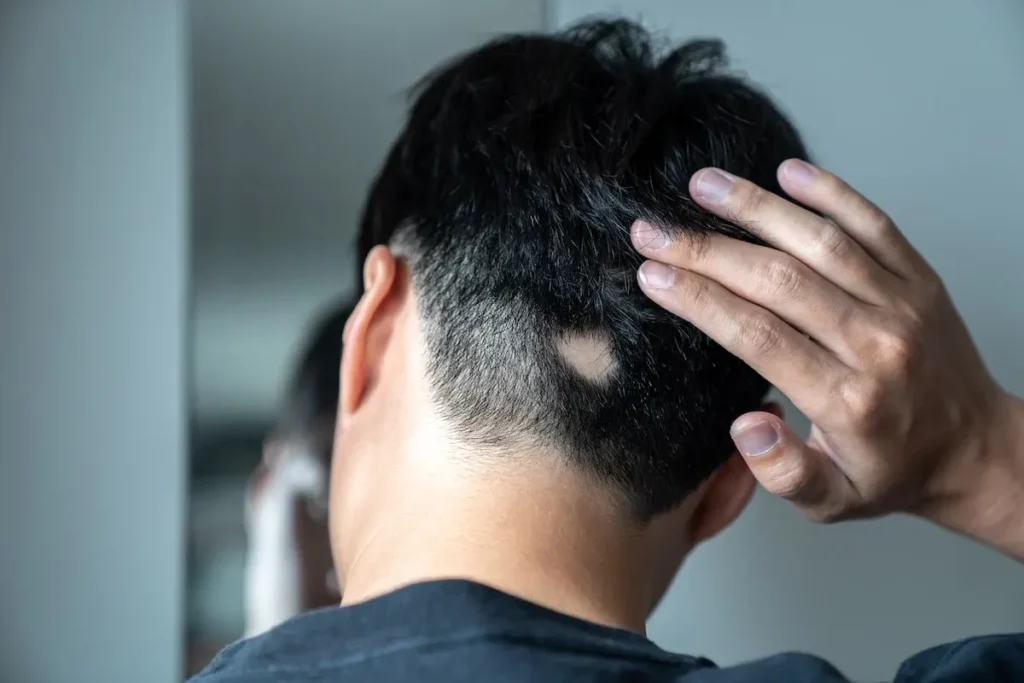
Hair diseases and disorders affect millions worldwide, impacting both looks and mood. Over 85 percent of men and 33 percent of women face hair loss at some point. Conditions like androgenetic alopecia and alopecia areata are big challenges in dermatology today. Disease Of The Hair requires expert diagnosis. Follow our best treatment guide to identify symptoms and find the right cure for your scalp.
Recent studies show androgenetic alopecia affects about 30.6 percent of cases. Alopecia areata is found in 19.3 percent. Other common issues include telogen effluvium and seborrheic dermatitis. Knowing about these hair conditions helps build confidence and start a journey to overcome them.
Belangrijkste opmerkingen
Hair diseases and disorders are prevalent globally, affecting both men and women.
Androgenetic alopecia and alopecia areata are among the most common hair conditions.
Understanding these conditions is key to addressing them effectively.
Various treatment options are available for different hair diseases and disorders.
Empowering confidence through knowledge is important for those affected.
Understanding Hair Diseases and Their Impact

The global hair diseases market is expected to hit $15 billion by 2034. It’s more important than ever to understand these conditions. Hair diseases and disorders affect the scalp and hair follicles, causing hair loss, itching, and inflammation.
Wereldwijde statistieken en prevalentie
The global hair diseases market was around $9.5 billion in 2024. This shows how widespread and impactful hair diseases are worldwide. Hair loss affects nearly 50% of men and women, with numbers rising with age.
Specific hair diseases vary globally, influenced by genetics, environment, and lifestyle. For example, androgenetic alopecia, or male and female pattern baldness, is common and affects many people.
Veelvoorkomende oorzaken en risicofactoren
Genetics is the biggest cause of hair loss. Conditions like androgenetic alopecia are often linked to genetics. Other factors include hormonal imbalances, nutritional deficiencies, stress, and certain medical conditions.
Knowing these causes and risk factors helps in finding effective treatments and prevention. For example, improving nutrition can help prevent some types of hair loss.
Key risk factors for hair diseases include:
Genetische aanleg
Hormonale veranderingen
Voedingstekorten
Stress and psychological factors
Medical conditions such as thyroid disorders or autoimmune diseases
By understanding these factors, people can take steps to lower their risk and manage symptoms better.
Common Hair Loss Disorders
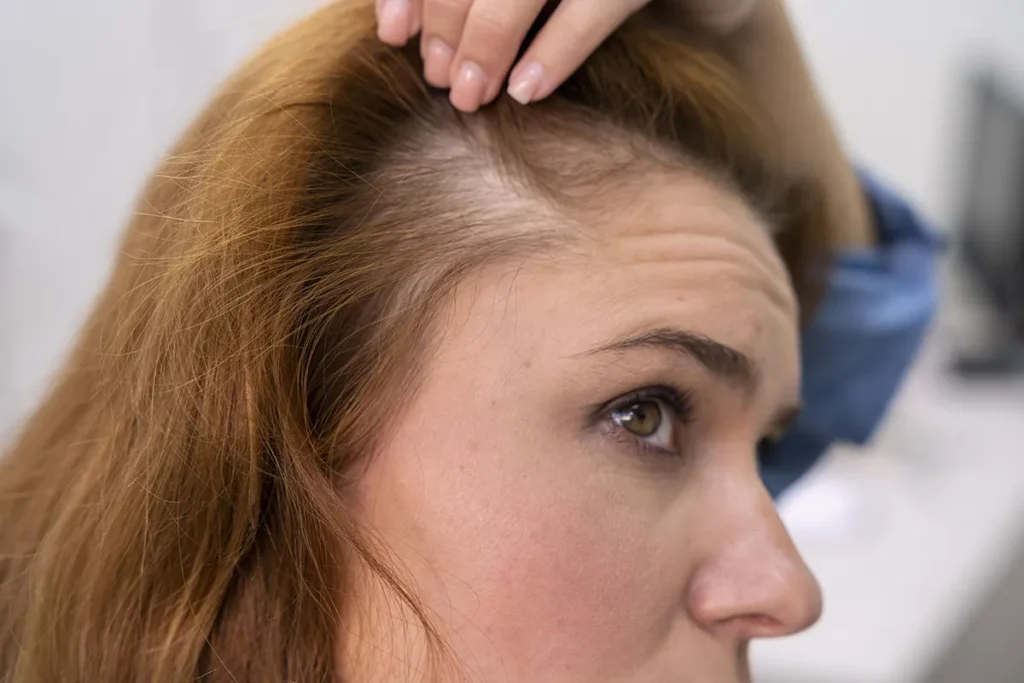
Hair loss is a common problem that affects many people worldwide. It’s important to know about the different types of hair loss to find the right treatment. Here, we’ll look at some common conditions that cause hair loss.
Alopecia androgenetica (kaalheid van mannelijke en vrouwelijke patronen)
Androgenetic alopecia, also known as male and female pattern baldness, is the most common hair loss. It affects about 95 percent of hair loss cases in males. This condition makes hair thin and fall out, mainly on the top and crown of the head. Learn more about the symptoms and causes of hair.
The main cause is genetics and hormones, like dihydrotestosterone (DHT), which harm hair follicles. Treatments like minoxidil and finasteride can slow hair loss and help new hair grow.
Alopecia Areata
Alopecia areata is a chronic autoimmune disorder that leads to patchy hair loss. It happens when the immune system attacks hair follicles, causing hair to fall out. It can happen to anyone, at any age or gender.
De symptomen zijn onder andere:
Verspreid haarverlies op de hoofdhuid of het lichaam
Veranderingen aan de nagel, zoals putjes of broosheid
In some cases, it can lead to complete baldness (alopecia totalis) or total body hair loss (alopecia universalis)
Treatment for alopecia areata often involves corticosteroid injections, topical immunotherapy, or medications that stimulate hair growth.
Telogeen Effluvium
Telogen effluvium is a condition where you shed a lot of hair, often after stress, illness, or hormonal changes. It happens when more hair follicles than usual enter the resting phase, leading to more hair loss.
Common triggers include:
Severe stress or illness
Hormonal changes, such as those experienced during pregnancy or menopause
Voedingstekorten
Treatment usually involves fixing the cause, like managing stress or correcting nutritional deficiencies.
Alopecia tractie
Traction alopecia is hair loss caused by constant pulling or tension on the hair follicles. This often happens with hairstyles that pull tight, like braids, ponytails, or cornrows.
To treat traction alopecia, changing hairstyles to reduce tension is key. In some cases, hair growth may resume once the cause of the traction is removed.
Disease of the Hair: Inflammatory and Infectious Conditions
It’s important to know about inflammatory and infectious hair conditions. They can harm your hair and scalp, causing discomfort and damage if not treated.
Seborroïsch eczeem
Seborrheic dermatitis is a common scalp issue. It makes the scalp flaky and itchy. The rash is red and scaly, sometimes spreading to other oily body parts. Symptoms include dandruff, itching, and redness.
Flaky scalp
Itching and redness
Scaly rash
Medicated shampoos and creams help treat it. They reduce inflammation and stop flaking.
Lichen Planopilaris
Lichen planopilaris is an autoimmune disease causing hair loss. It inflames hair follicles, leading to scarring and permanent hair loss if untreated. Common symptoms are itching, burning, and redness.
It’s treated with medications to fight inflammation and control the immune system.
Folliculitis
Folliculitis is inflammation of the hair follicles, often from infection. It’s caused by bacteria, viruses, or fungi. Symptoms are small red bumps or pus-filled bumps, itching, and tenderness.
Bacterial folliculitis
Viral folliculitis
Fungal folliculitis
Treatment varies based on the cause. It might include antibiotics, antiviral meds, or antifungal treatments.
Tinea Capitis (Scalp Ringworm)
Tinea capitis, or scalp ringworm, is a fungal scalp infection. It’s more common in kids but can hit adults too. Symptoms are circular patches of hair loss, redness, and scaling.
Oral antifungal meds are used to treat it.
In conclusion, treating inflammatory and infectious hair and scalp conditions quickly is key. Knowing the symptoms and causes helps get the right medical care. This way, you can keep your scalp healthy.
Conclusion: Prevention and When to Seek Medical Help
Keeping your hair healthy is a journey that needs focus on hair diseases and disorders. It’s important to know about different scalp conditions, their symptoms, and treatments. This knowledge helps prevent and treat problems early.
Preventing hair diseases starts with good hair care, a balanced diet, and knowing your risks. Early treatment can stop scalp conditions from getting worse. It also protects your hair follicles, keeping your scalp healthy and shiny.
If you have ongoing hair loss, scalp irritation, or strange symptoms, see a doctor. A dermatologist or healthcare expert can diagnose and treat your condition. They use medical terms specific to hair diseases to help you.
By managing your hair health, you can achieve a luxurious and healthy mane. This journey not only makes you look better but also boosts your confidence and overall health.
FAQ
What are the most common hair diseases and disorders?
Common hair issues include androgenetic alopecia and alopecia areata. Telogen effluvium and traction alopecia are also common. Seborrheic dermatitis, lichen planopilaris, folliculitis, and tinea capitis are other examples.
What is the medical term for disease of the hair?
The term for hair disease is “trichopathy.”
What are the symptoms of hair loss disorders?
Symptoms include excessive hair shedding and thinning. Bald patches and changes in hair texture are also signs.
Can hair diseases be treated?
Yes, many hair diseases can be treated. This includes medications, lifestyle changes, and therapies.
What are the risk factors for developing hair diseases?
Risk factors include genetics and hormonal imbalances. Stress, poor diet, and certain medical conditions also play a role.
How can I prevent hair diseases and disorders?
Preventing hair diseases involves a healthy lifestyle. Use gentle hair care products and avoid heat styling. Managing stress is also key.
Are hair diseases and disorders contagious?
Some, like tinea capitis, are contagious. Others are not.
Can hair diseases and disorders be a sign of an underlying medical condition?
Yes, some hair diseases can signal an underlying condition. This includes thyroid disease or autoimmune disorders.
What is the impact of hair diseases on mental health?
Hair diseases can affect mental health. They can lead to anxiety, depression, and low self-esteem.
How can I manage my hair health?
To manage hair health, use gentle products and get regular trims. Eat a balanced diet and reduce stress.
Referenties
BMJ (British Medical Journal). Evidence-Based Medical Insight. Retrieved from https://www.bmj.com/content/332/7544/1282





