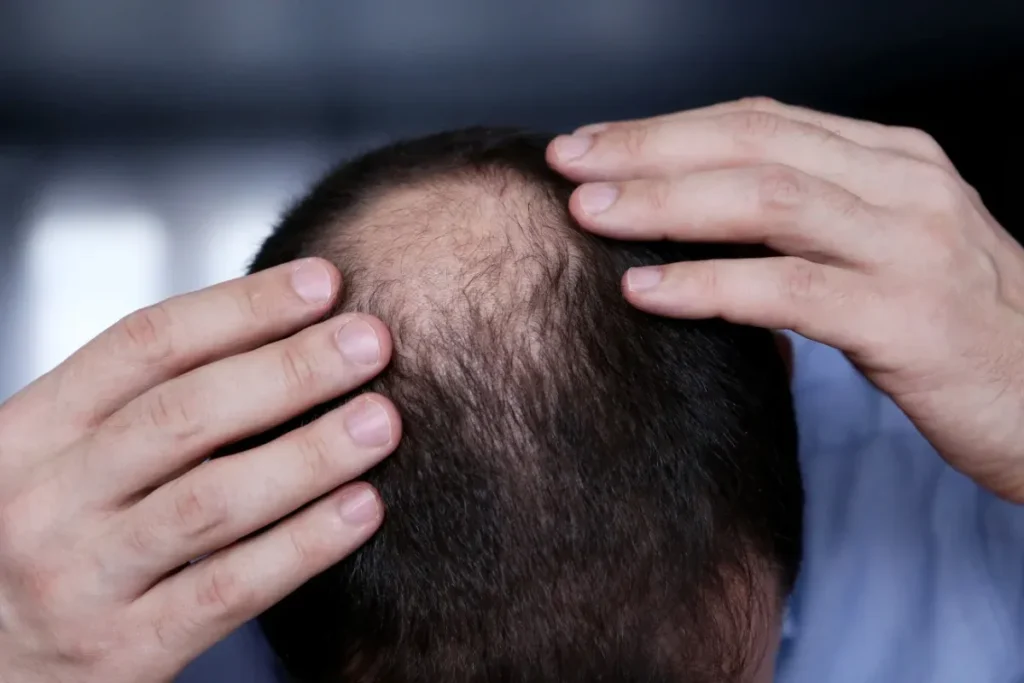
Are you noticing sudden smooth patches of hair loss on your scalp or body? Alopecia areata affects millions worldwide. Yet, many people don’t recognize its early warning signs until significant hair loss has occurred. Does Alopecia Hurt? Learn the critical warning signs of scalp pain and inflammation and find out what your symptoms mean for your hair.
Understanding the first signs and symptoms of this autoimmune condition is key. GoldCity Center offers a patient-centered approach. They combine cutting-edge dermatological expertise with compassionate care. This helps you identify and manage alopecia areata symptoms before they become a concern.
Recognizing the early signs of alopecia in females and others is vital. Early intervention can greatly improve treatment success. If you’re experiencing sudden, patchy hair loss, it’s essential to seek professional advice. This will help determine the cause and appropriate treatment.
Belangrijkste opmerkingen
Be aware of sudden smooth patches of hair loss on the scalp or body.
Early intervention is key for effective treatment.
GoldCity Center offers a patient-centered approach to managing alopecia areata.
Cutting-edge dermatological expertise is combined with compassionate care.
Recognizing early signs and symptoms is vital for successful treatment.
Understanding Alopecia Areata: An Overview
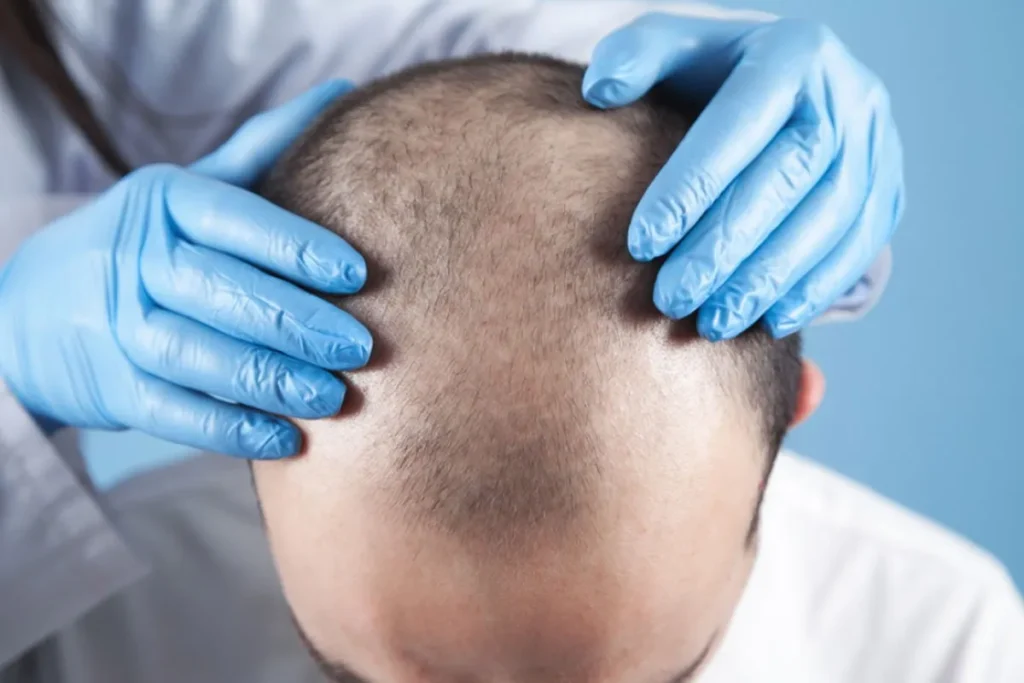
Alopecia areata is an autoimmune condition that leads to hair loss. It causes round or oval smooth bald patches on the scalp or other areas of the body. Understanding this condition is key for those affected, as it can greatly affect one’s appearance and self-esteem.
Wat is Alopecia Areata?
Alopecia areata happens when the immune system attacks the hair follicles. This causes hair to fall out. It’s not just about hair loss; it shows there’s an underlying autoimmune issue. The unpredictability of alopecia areata makes it hard for those affected, as it can lead to total hair loss in severe cases.
The condition affects more than 80% of individuals before they turn 40. 40% experience symptoms by age 20. This shows why early detection and understanding the early signs of alopecia are so important.
Prevalentie en risicofactoren
Alopecia areata is more common than many think, affecting a significant part of the population at some point. The risk factors include genetic predisposition, other autoimmune diseases, and environmental triggers.
Knowing these risk factors helps in early detection and management of alopecia areata. By recognizing the first signs of alopecia, individuals can get medical advice sooner. This could change the course of the condition.
Primary Visual Signs of Alopecia Areata
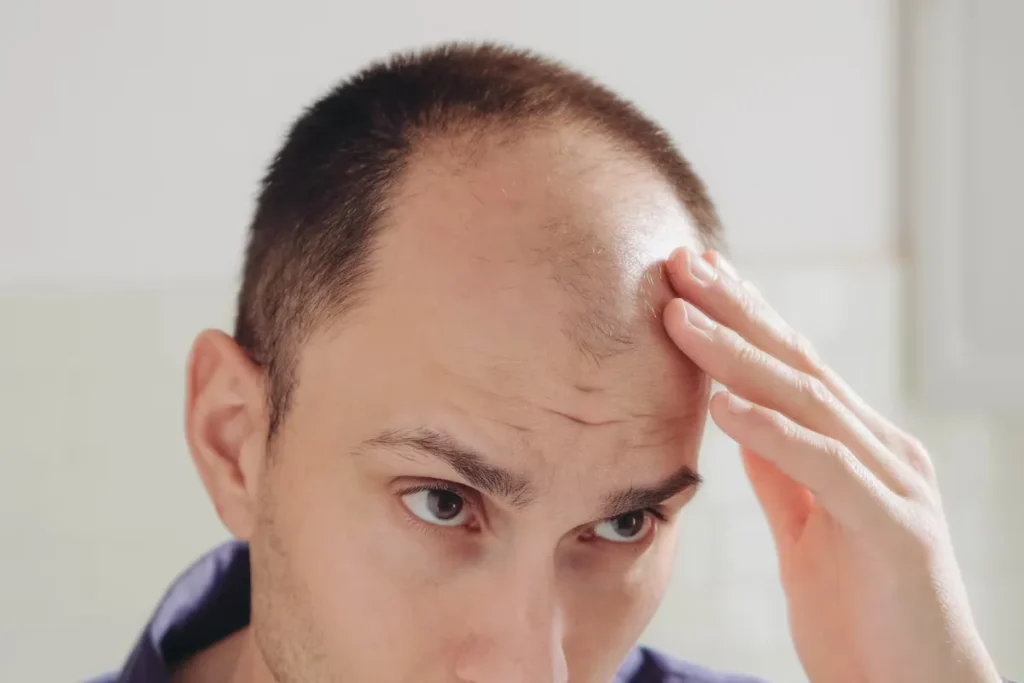
Alopecia areata shows itself through several key signs. Spotting these early can greatly help in managing the condition.
Round or Oval Smooth Bald Patches
One common sign is round or oval smooth bald patches on the scalp or body. These patches are smooth and might feel itchy or tingle. If you’re wondering how do I know if I have alopecia areata, look for these patches.
Exclamation Point Hairs
Exclamation point hairs are another key indicator. These hairs narrow at the base, looking like an exclamation mark. They’re often found at the edges of bald patches. For more info, check the American Academy of Dermatology’s page on alopecia areata.
Nail Changes and Other Physical Indicators
Alopecia areata can also show through other physical changes. Some people see nail changes like pitting or brittleness. Others might notice redness or inflammation around the affected areas. Knowing these signs of alopecia helps in early detection and treatment.
Key visual signs to watch out for include:
Smooth bald patches on the scalp or body
Exclamation point hairs at the edges of bald patches
Nail changes such as pitting or brittleness
Redness or inflammation around the affected areas
Understanding these visual cues is key to spotting alopecia areata and getting medical advice. If you’re worried about hair loss or symptoms, see a dermatologist for guidance.
Does Alopecia Hurt? Physical Sensations and Discomfort
Itching, tingling, or burning can signal alopecia areata. These feelings often show up before hair loss is visible. This makes many wonder if alopecia areata hurts.
Some people might feel discomfort or unusual feelings before they lose hair. A few may feel a burning sensation or itching before hair loss starts. For more info, check out this resource.
Itching, Tingling, and Burning Sensations
The feelings linked to alopecia areata differ for everyone. Some might just itch a bit, while others feel intense tingling or burning. These feelings can be scary and might make people look for medical help.
Gender Differences: Early Signs in Females vs. Males
Studies show gender differences in alopecia areata’s early signs. Both men and women can feel itching, tingling, or burning. But, some research says women might report these symptoms more often. Knowing these differences helps in giving better care.
By recognizing the physical sensations and discomfort of alopecia areata, people can understand their condition better. Spotting these signs early can help in getting the right treatment sooner. This can lead to better results.
Conclusie: Wanneer professionele hulp zoeken?
It’s important to spot the early signs of alopecia areata. Look out for round or oval bald patches, exclamation point hairs, or changes in your nails. Knowing these signs can help you get the right care sooner.
Getting a diagnosis and treatment early can make a big difference. Web sources stress the need to see a doctor if you notice these alopecia signs.
So, how do you know if you have alopecia? If you’re not sure, talking to a dermatologist is a good first step. They can help figure out what’s going on and suggest treatments. Understanding alopecia symptoms and getting help early can help you feel better and more confident.
If you’re seeing unusual hair loss or other alopecia areata symptoms, don’t wait. Getting professional advice and treatment can help you grow your hair back. It’s a step towards looking and feeling your best.
FAQ
Wat zijn de eerste tekenen van alopecia areata?
Early signs include round or oval bald patches on the scalp. You might also see exclamation point hairs. Nail changes like brittleness or pitting are other signs.
Hoe weet ik of ik alopecia areata heb?
Look for smooth bald spots on your scalp. Also, watch for itching or tingling. Nail changes are another clue. See a dermatologist for a diagnosis.
What are the symptoms of alopecia areata hair loss?
Symptoms include sudden hair loss in round or oval patches. You might see exclamation point hairs. Nail changes or itching or burning sensations are also signs.
Are there any specific signs of alopecia in females?
Signs of alopecia areata are similar for both genders. But, females might face more emotional or psychological impacts due to beauty standards.
Can alopecia areata be itchy?
Yes, some people with alopecia areata feel itching, tingling, or burning on their scalp. This can happen before or during hair loss.
What does an exclamation point hair look like?
An exclamation point hair is a sign of alopecia areata. It looks like a short hair with a thicker, darker tip. The base is narrower, resembling an exclamation mark.
How can I tell if I have alopecia areata or another condition?
To tell alopecia areata from other hair loss, see a dermatologist. They will look at your symptoms, medical history, and may do tests.
What are the risk factors for developing alopecia areata?
Risk factors include a family history of alopecia areata. Other autoimmune diseases and certain genetic predispositions also increase your risk.
Kan alopecia areata behandeld worden?
Yes, treatments are available. These include topical corticosteroids, immunotherapy, and medications that help hair grow.
Referenties
ScienceDirect. Evidence-Based Medical Insight. Retrieved from https://www.sciencedirect.com/science/article/pii/S0190962209037920





