
Millions of men worry that hair loss medications like finasteride might cause weight gain. But, the real story is more comforting than many think. Studies with tens of thousands of patients show finasteride doesn’t lead to significant weight gain for most people.
Actually, some studies suggest finasteride might help with modest weight reductions. The Prostate Cancer Prevention Trial, with over 10,000 men, found that weight gain was modestly lower in those taking finasteride. They saw an annual weight increase of just 0.14 percent.
Belangrijkste opmerkingen
Finasteride does not directly lead to significant weight gain in most users.
Some research suggests finasteride may be associated with slight weight reduction.
The Prostate Cancer Prevention Trial found lower weight gain in finasteride-treated groups.
Annual weight gain increases were just 0.14 percent in finasteride users.
Finasteride is not a significant contributor to weight gain.
Does Finasteride Cause Weight Gain? Clinical Evidence
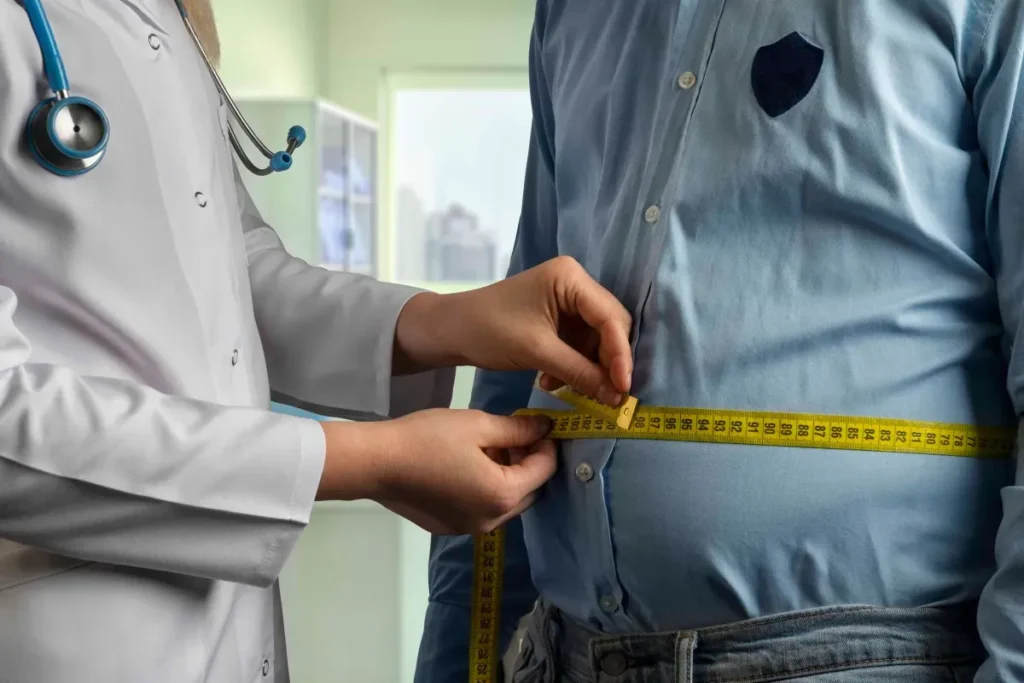
Clinical evidence gives us a clear view of finasteride’s effect on weight. Many studies have looked into this, helping us understand how the drug impacts body weight.
The Prostate Cancer Prevention Trial Results
The Prostate Cancer Prevention Trial involved over 18,000 men. It found that those taking finasteride gained less weight than those on a placebo. This study suggests finasteride might not lead to weight gain and could even help with weight management.
Studies on Finasteride for Hair Loss and BPH
Research on finasteride for hair loss and BPH also shows its impact on weight. A study with 3,040 men on 5 mg finasteride for BPH found no big weight increases. Some even lost a bit of weight. This aligns with other studies, showing finasteride doesn’t cause weight gain. For more details, visit The Independent Pharmacy.
Research on Female Patients
Studies on female patients also offer insights into finasteride’s weight effects. A study with female participants on 2.5 mg finasteride every third day found no BMI changes. This means finasteride could be a safe option for women without weight-related side effects.
In summary, the clinical evidence from various studies shows finasteride isn’t strongly linked to weight gain. Instead, some studies suggest it might even lead to slight weight loss or no weight changes in both men and women.
How Finasteride Affects the Body and Metabolism

It’s important to know how finasteride works to understand its effects on metabolism. Finasteride is mainly used to treat hair loss and an enlarged prostate. It does this by reducing dihydrotestosterone (DHT) production.
Finasteride’s Mechanism of Action and DHT
Finasteride blocks the enzyme 5-alpha-reductase. This enzyme turns testosterone into DHT. By cutting DHT levels by 60–70%, it slows hair loss and shrinks the prostate.
Impact on Hormones: Finasteride mainly targets DHT but also raises testosterone and estrogen slightly. Most men handle these changes okay, but some might feel different effects.
Effects on Metabolic Hormones and Weight Regulation
Studies show finasteride doesn’t change metabolic hormones like TSH or metabolic rate much. But, the slight increase in testosterone might affect weight in some people.
Finasteride doesn’t directly affect metabolism much. But, its hormone changes might indirectly influence weight. It’s key for those taking finasteride to stay healthy to support their metabolism.
Knowing how finasteride works and its hormone effects helps people understand its metabolic impact. This knowledge aids in making smart choices about treatment.
Conclusie
Research on finasteride and its effect on body weight has shown interesting findings. Some people might see small weight changes due to lifestyle choices. But, significant weight gain is not a common side effect of finasteride.
It’s important to watch your weight and health when taking finasteride. If you’re worried about weight gain or other side effects, talk to your doctor. They can help you understand the risks and benefits of finasteride. They might suggest other treatments if needed, like those concerned about finasteride side effects.
Other hair loss treatments, like saw palmetto and minoxidil, can also have side effects. Some people wonder if saw palmetto or minoxidil can cause weight gain. Others ask if viviscal leads to weight gain. Knowing these possible effects can help you choose the right treatment for your hair loss.
To manage your weight and health on finasteride or other treatments, live a healthy lifestyle. Also, regularly check in with your healthcare provider. This way, you can avoid unwanted side effects and get the most from your treatment.
FAQ
Does finasteride cause weight gain?
Finasteride doesn’t directly cause weight gain in most people. Some studies even show a slight weight loss in some users.
Can finasteride lead to weight loss?
Yes, some studies have found that finasteride can lead to a slight weight loss. But this isn’t a sure thing for everyone.
How does finasteride affect metabolic hormones?
Finasteride has a small effect on metabolic hormones like thyroid-stimulating hormone. It doesn’t change your metabolic rate much. But, it can cause some hormone level changes, like a bit more testosterone and estrogen.
Will stopping finasteride cause weight loss?
Stopping finasteride doesn’t definitely lead to weight loss. Any weight changes are more likely due to lifestyle choices.
Does dutasteride cause weight gain?
Dutasteride, similar to finasteride, might have similar effects on weight gain. But, this isn’t directly proven by research.
Can saw palmetto cause weight gain?
Saw palmetto, used for hair loss and BPH, doesn’t seem to cause significant weight gain. There’s no solid evidence to prove it.
Does minoxidil cause weight gain?
Minoxidil, a hair loss treatment, doesn’t seem to cause weight gain. Research doesn’t show a strong link.
Is there a link between hair loss treatments and weight gain?
The research on finasteride and other hair loss treatments doesn’t show a strong link to weight gain.
Does viviscal cause weight gain?
Viviscal, a supplement for hair growth, doesn’t seem to cause significant weight gain. There’s no solid evidence to prove it.
Can gaining weight lead to hair loss?
Weight gain itself doesn’t directly cause hair loss. But, big weight changes can lead to hormonal shifts. These changes might contribute to hair loss.
Referenties
Nationaal Centrum voor Biotechnologie-informatie. Evidence-Based Medisch Inzicht. Opgehaald van https://pubmed.ncbi.nlm.nih.gov/14624915/





