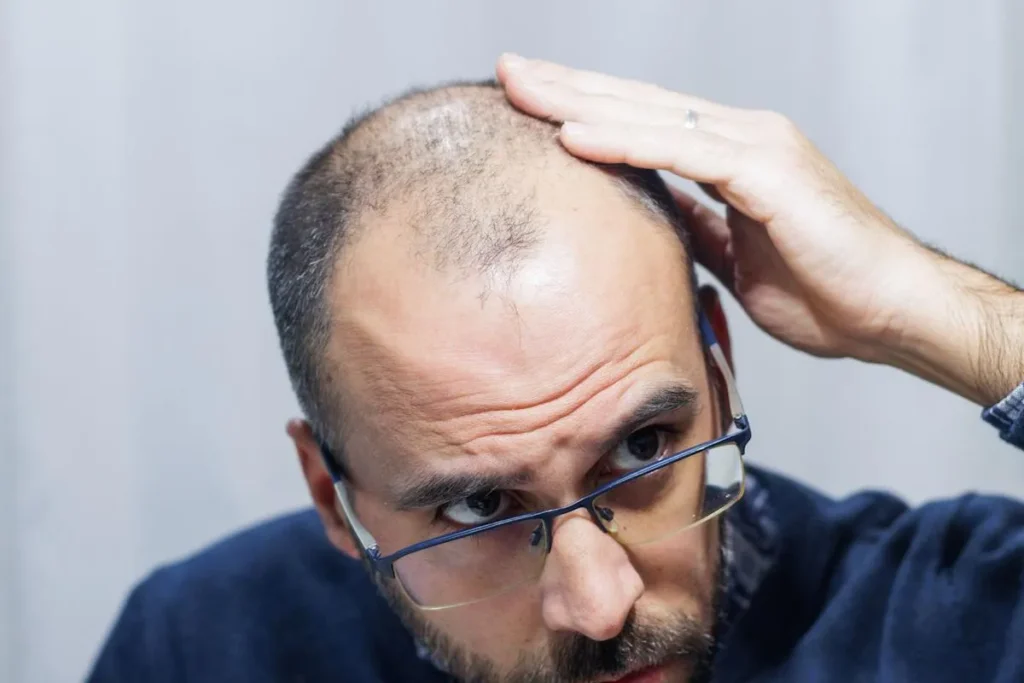
Finasteride is a type II 5-alpha reductase inhibitor. It’s known for treating male pattern hair loss and benign prostate hyperplasia. It blocks the conversion of testosterone to dihydrotestosterone (DHT). This is a hormone that causes hair loss and prostate enlargement.
Men with symptoms of benign prostatic hyperplasia (BPH) and androgenetic alopecia find Finasteride helpful. Its clinically proven efficacy makes it a top choice. We’ll look into how Finasteride works and its benefits for hair loss and prostate health.
Belangrijkste opmerkingen
Finasteride effectively treats male pattern hair loss and benign prostate hyperplasia.
Het werkt door de omzetting van testosteron in DHT te remmen.
Clinically proven efficacy makes it a popular treatment choice.
Finasteride’s safety profile is well-documented.
Long-term use of Finasteride has been studied for its sustained benefits.
Understanding Finasteride: What It Is and How It Works
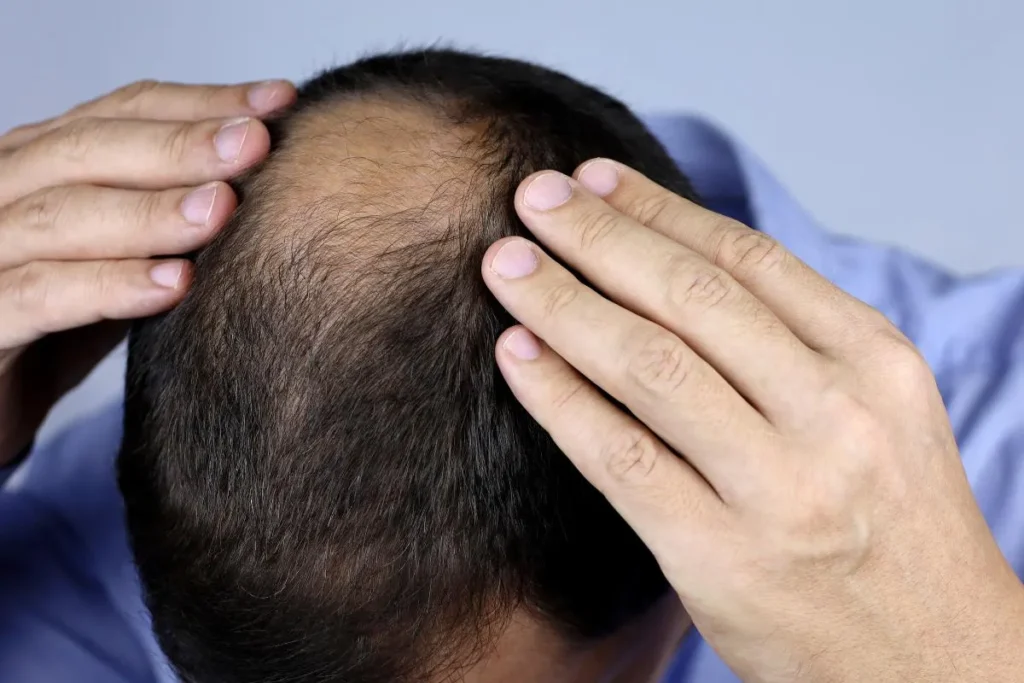
To grasp Finasteride’s effectiveness, we must explore its action and benefits for hair loss and prostate health. Finasteride is a well-studied drug for treating male hair loss and benign prostatic hyperplasia (BPH).
The Science Behind Finasteride’s Mechanism
Finasteride blocks the enzyme 5-alpha-reductase. This enzyme turns testosterone into dihydrotestosterone (DHT). DHT is linked to hair loss and prostate growth. By stopping 5-alpha-reductase, Finasteride lowers DHT levels, tackling the cause of these issues.
Clinical studies have shown that Finasteride is effective in promoting hair growth and reducing prostate size. For example, over 1500 men in studies saw a 107 to 138 hair increase in a one-inch area after one to two years of treatment.
DHT Blocking: The Key to Finasteride’s Effectiveness
DHT blocking is key to Finasteride’s success. It reduces DHT, slowing hair loss and boosting growth. This is vital for those with male pattern baldness, as DHT is a main cause.
The table below shows Finasteride’s success in treating hair loss and prostate health:
Understanding Finasteride’s action helps people choose the right treatment for hair loss and prostate health. Its DHT-blocking effect has proven effective, making it a valuable option for those dealing with these issues.
Does Finasteride Actually Work for Hair Loss?
Many people wonder if Finasteride can help with hair loss. Finasteride, also known as Propecia, has been shown to work well for male pattern hair loss. Studies have found that it increases the number of hairs on the scalp and slows down hair loss.
Clinical Evidence Supporting Finasteride for Hair Loss
Many clinical trials have proven Finasteride’s effectiveness in growing hair and reducing loss. The results are impressive, with noticeable improvements in hair count and patient happiness. A study in the Journal of Clinical and Aesthetic Dermatology showed it greatly improved hair density and reduced shedding.
Long-Term Efficacy and Success Rates
Studies lasting 5 to 10 years show that about 85% of patients see lasting benefits. This long-term success is key for men looking for a reliable hair loss solution. The data shows Finasteride works well not just at first but also over time.
Timeline for Seeing Results
Most men see their hair loss stop within 3-4 months of starting Finasteride. Visible hair growth usually starts between months 6-12. It’s important to remember that Finasteride is a long-term treatment that needs patience and dedication.
Understanding the clinical evidence for Finasteride’s effectiveness helps men make better choices for their hair loss treatment. With its proven long-term benefits, Finasteride is a top choice for many looking to combat hair loss.
Finasteride’s Benefits for Prostate Health
Finasteride is known for helping with prostate health, mainly benign prostatic hyperplasia (BPH). This condition makes the prostate gland grow too big. It causes uncomfortable urinary symptoms and lowers men’s quality of life.
Managing Benign Prostatic Hyperplasia (BPH)
Finasteride helps manage BPH by making the prostate gland smaller. This reduces urinary symptoms. Studies show that taking 5 mg daily of finasteride can shrink the prostate. It also improves urine flow and reduces the need to urinate often, even at night.
For more detailed information on finasteride’s benefits for prostate health, you can visit this resource that provides detailed insights into the topic.
Reducing Prostate Volume and Urinary Symptoms
Finasteride works by stopping the conversion of testosterone to dihydrotestosterone (DHT). DHT makes the prostate gland grow. By lowering DHT, finasteride slows prostate growth. This reduces urinary symptoms like weak urine flow and frequent urination.
Research shows finasteride not only shrinks the prostate but also improves urine flow. It also lowers the risk of needing to urinate suddenly. This makes finasteride a good choice for men with BPH.
Dosage Differences: Hair Loss vs. Prostate Treatment
The dosage of finasteride varies for treating BPH and hair loss. For hair loss, a 1 mg daily dose is used. But for BPH, a 5 mg daily dose is needed. This higher dose is required to effectively treat the prostate gland.
It’s important to know the dosage differences for men using finasteride for both hair loss and prostate health. Talking to a healthcare provider can help find the right dosage and treatment plan for each person.
Conclusion: Is Finasteride Right for You?
Finasteride is a proven treatment for hair loss and prostate health. It works by blocking a hormone that causes hair loss. If you’re thinking about Finasteride, consider its benefits and side effects.
Before starting, talk to a healthcare professional. They can help you decide if Finasteride is safe for you. You can find more information on Advanced Hair.
Think about your health and needs before choosing Finasteride. Ask yourself if it’s right for you. Knowing the pros and cons helps you make a smart choice.
Finasteride can be a good option for hair loss or prostate issues. But, always put your health first.
FAQ
What is Finasteride and how does it work?
Finasteride is a drug that blocks the change of testosterone to dihydrotestosterone (DHT). DHT causes hair loss and prostate growth. By stopping the 5-alpha-reductase enzyme, Finasteride lowers DHT levels. This leads to more hair growth and better prostate health.
Is Finasteride effective in treating hair loss?
Yes, Finasteride is proven to treat male hair loss. It increases hair count and slows down loss. Long-term use keeps it working well, with about 85% of users seeing ongoing benefits.
Hoe lang duurt het voordat ik resultaat zie van Finasteride?
Results vary, but most men see improvements in 3-12 months.
Can Finasteride help with prostate health?
Yes, it helps with Benign Prostatic Hyperplasia (BPH) by shrinking the prostate. It also eases urinary symptoms. The dose for BPH is 5mg daily.
What are the benefits of using Finasteride for hair loss and prostate health?
Finasteride boosts hair growth, reduces loss, and improves prostate health. It lowers DHT levels, easing BPH symptoms and promoting hair growth.
Is Finasteride safe to use?
Finasteride is safe when used correctly. Always talk to a doctor to ensure it’s right for you.
Can I consume alcohol while taking Finasteride?
There’s no direct alcohol interaction with Finasteride. But, always check with a doctor for advice on drinking while taking it.
Is Finasteride a DHT blocker?
Yes, Finasteride blocks DHT. It stops the 5-alpha-reductase enzyme from turning testosterone into DHT.
Does Finasteride have any side effects?
Like all drugs, Finasteride might have side effects. Always talk to a doctor about possible risks and benefits.
How does Finasteride work for hair loss?
Finasteride reduces DHT levels, which causes hair loss. By blocking the 5-alpha-reductase enzyme, it promotes hair growth and reduces loss.
Is Finasteride effective in the long term?
Yes, Finasteride keeps working well over time. About 85% of users see ongoing benefits.
Referenties
Nationaal Centrum voor Biotechnologie-informatie. Evidence-Based Medisch Inzicht. Opgehaald van https://pubmed.ncbi.nlm.nih.gov/9777765/





