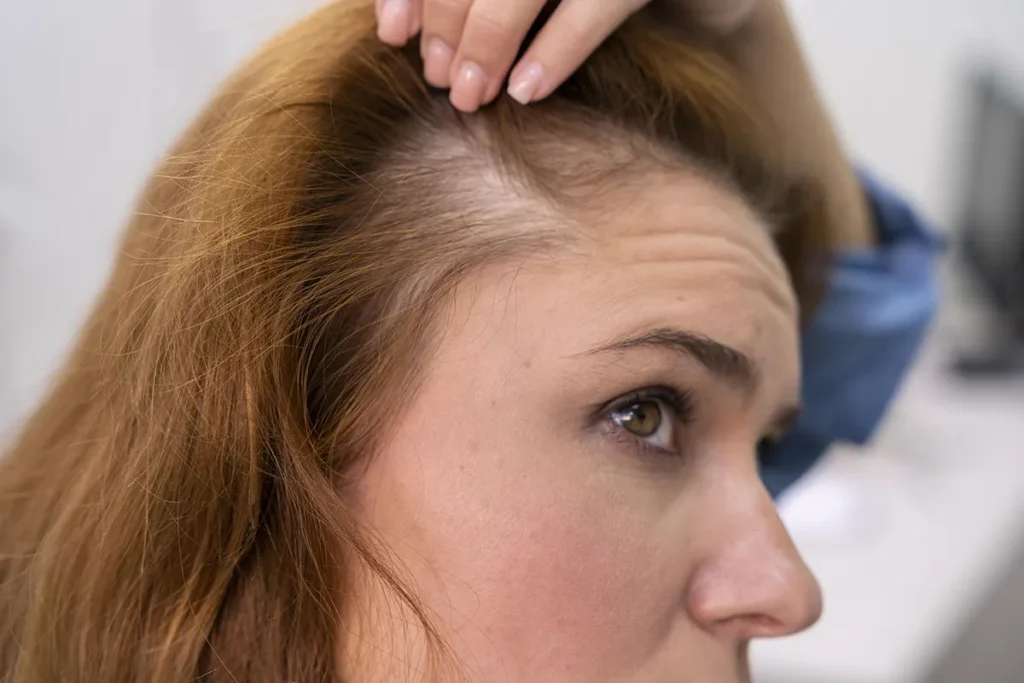
Hair Thinning At 25 can be reversed. Uncover the proven fix secrets and medical solutions to stop shedding and maintain a thick head of hair fast. Hair Thinning At 25 can be reversed. Uncover the proven fix secrets and medical solutions to stop shedding and maintain a thick head of hair fast.
Experiencing hair loss in your twenties can be overwhelming. But, it’s a common issue many young adults face. About 25% of men see the first signs of male pattern baldness before they turn 21. This makes early-onset baldness more common than people think.
The good news is that with early action, you can stop and even grow back your hair. At GoldCity Center, we know how hard hair loss can hit you, both physically and mentally. Our patient-focused care makes sure you get the best treatment.
Belangrijkste opmerkingen
Early intervention is key to stopping hair loss.
About 25% of men see signs of male pattern baldness before 21.
Starting treatment early can lead to a lot of hair preservation and growth.
Our patient-centered approach means you get care that’s just right for you.
There are proven medical solutions for treating hair thinning.
Understanding Hair Thinning at 25
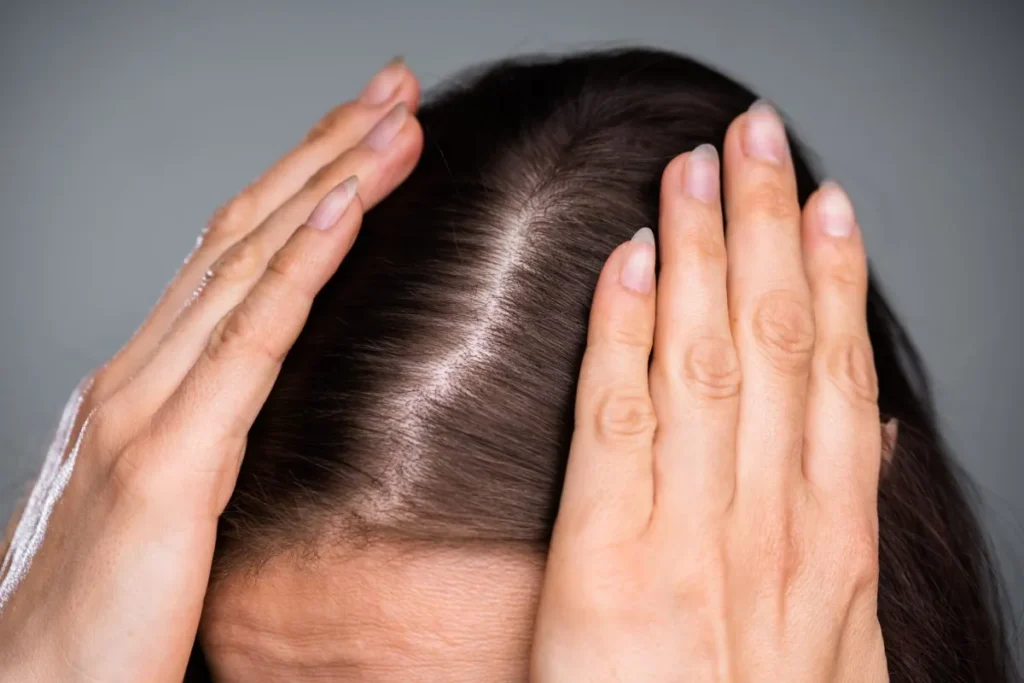
Hair loss at 25 worries many young adults. It’s caused by genetics, hormones, and lifestyle. As people hit their mid-twenties, their hair growth cycle changes. This is due to increased sensitivity to DHT after puberty.
Common Causes of Early Hair Loss
Several factors lead to early hair loss. These include:
Genetic Predisposition: Male and female pattern baldness often starts in the early twenties.
Hormonal Changes: Hormone shifts, like testosterone to DHT, can cause hair thinning.
Lifestyle Factors: Stress, bad diet, and certain hairstyles can also lead to hair loss.
Medical Conditions: Health problems like thyroid issues or autoimmune diseases can cause hair loss too.
Recognizing the Early Signs
Haaruitval vroegtijdig opsporen is belangrijk. Let op deze tekenen:
Excessive Shedding: Finding more hair on your pillow, in the shower, or on your comb.
Changes in Hair Texture: Hair becoming finer, softer, or breaking easily.
Visible Thinning: Seeing less hair density, mainly at the crown or temples.
By catching these signs early, you can act fast. This might help keep your hair looking fuller.
Proven Solutions for Hair Thinning at 25
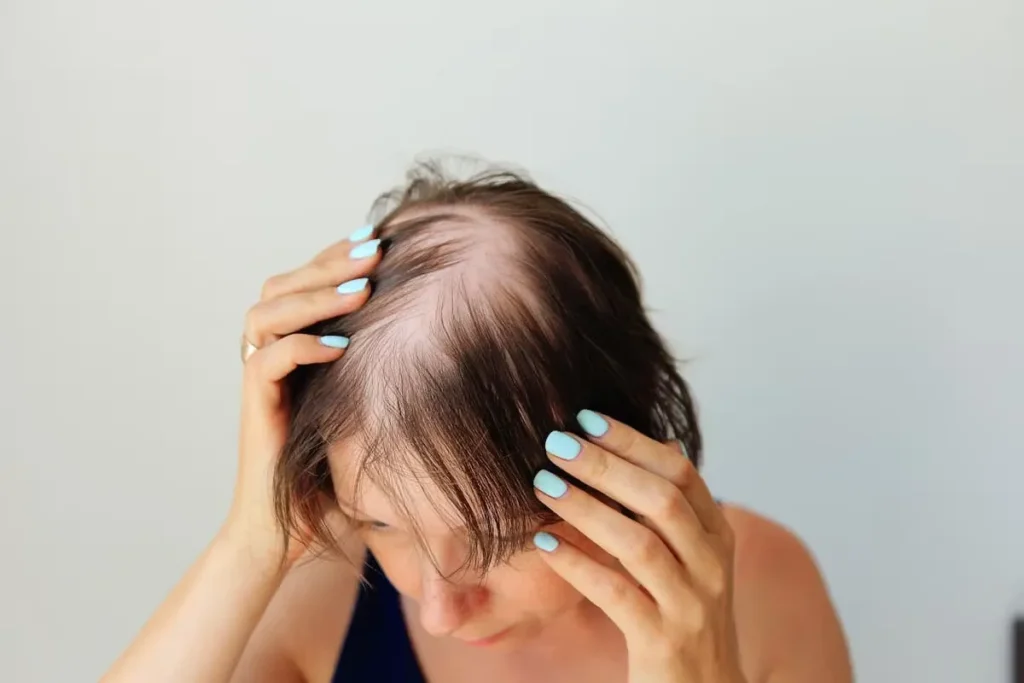
If you’re balding at 25, there’s hope. Many solutions target hair loss from different angles. A mix of medical treatments, lifestyle changes, and good hair care works best.
Medical Treatments with Clinical Evidence
Medical treatments lead the fight against receding hairline at 25. Minoxidil and finasteride are proven to slow hair loss and even grow new hair. For more info, check Medical organization’s hair loss page.
Therapies like Platelet-rich Plasma (PRP) and low-level laser therapy (LLLT) also help. They boost the body’s healing and create a better scalp for hair growth.
Lifestyle and Nutritional Interventions
Lifestyle and nutrition are key in fighting hair thinning. Supplements like Nutrafol target hair loss causes like stress and poor nutrition. Eating well, with foods like biotin and vitamin D, is important.
Stress management, like meditation or yoga, helps hair health. Avoiding heat styling and using gentle products also helps prevent thinning.
Effective Hair Care Routines
A good hair care routine is essential for healthy hair. Use gentle, sulfate-free shampoos and conditioners. Massaging the scalp during washing boosts blood flow and health.
For serious hair loss, try a new hairstyle or hair thickening products. Regular trims prevent split ends and breakage, keeping hair healthy and looking good.
Conclusie: Wanneer professionele hulp zoeken?
Experiencing hair thinning at 25 can be upsetting. Knowing when to get professional help is key for managing hair loss. If you see a lot of hair falling out, talk to a specialist for advice tailored to you.
A pro can use tests like blood tests and scalp biopsies to find out why you’re losing hair. This could be because you’re going bald at 25 or other reasons like hair loss at 17 or 21. Knowing the cause helps find the right treatment for you.
If you’re worried about going bald at 25 or seeing your hair thin, getting help early is important. A hair specialist like Medical Expert. Check out Medical Expert’s blog for more on dealing with balding at 25.
Getting help early can start a journey to better hair health and confidence. Improve your hair care and get on the path to a fuller, healthier head of hair.
FAQ
What are the main causes of hair thinning at 25?
Hair thinning at 25 can come from genetics, hormonal changes, and lifestyle. Stress, a bad diet, and too much heat styling also play a part. Knowing these causes helps tackle the problem.
How can I recognize the early signs of hair loss?
Look out for a lot of hair falling out, changes in hair texture, and a receding hairline. Spotting these signs early can help stop more hair loss.
Are there any clinically proven medical treatments for hair thinning?
Yes, treatments like minoxidil and finasteride have been proven to slow hair loss and boost growth. Talk to a doctor to find the right treatment for you.
Can lifestyle changes really make a difference in preventing hair thinning?
Definitely, eating well, managing stress, and avoiding too much heat styling can keep your hair healthy. These habits help prevent thinning.
What nutritional interventions can help promote hair health?
Biotin, vitamin D, and omega-3 fatty acids are good for hair. Adding these to your diet can help your hair grow and prevent thinning.
How often should I wash my hair to prevent thinning?
Washing your hair 2-3 times a week is best. Washing too much can dry out your hair and cause breakage. Use gentle shampoo and conditioner to keep your hair healthy.
When should I seek professional help for hair thinning?
If you’re losing a lot of hair, see a dermatologist or healthcare professional. They can figure out why you’re losing hair and suggest treatments.
What diagnostic tools are used to assess hair loss?
Tools like scalp exams, hair density tests, and blood tests help find hair loss causes. These tests help create a treatment plan just for you.
Referenties
National Center for Biotechnology Information. Evidence-Based Medical Insight. Retrieved from https://www.ncbi.nlm.nih.gov/books/NBK278957/





