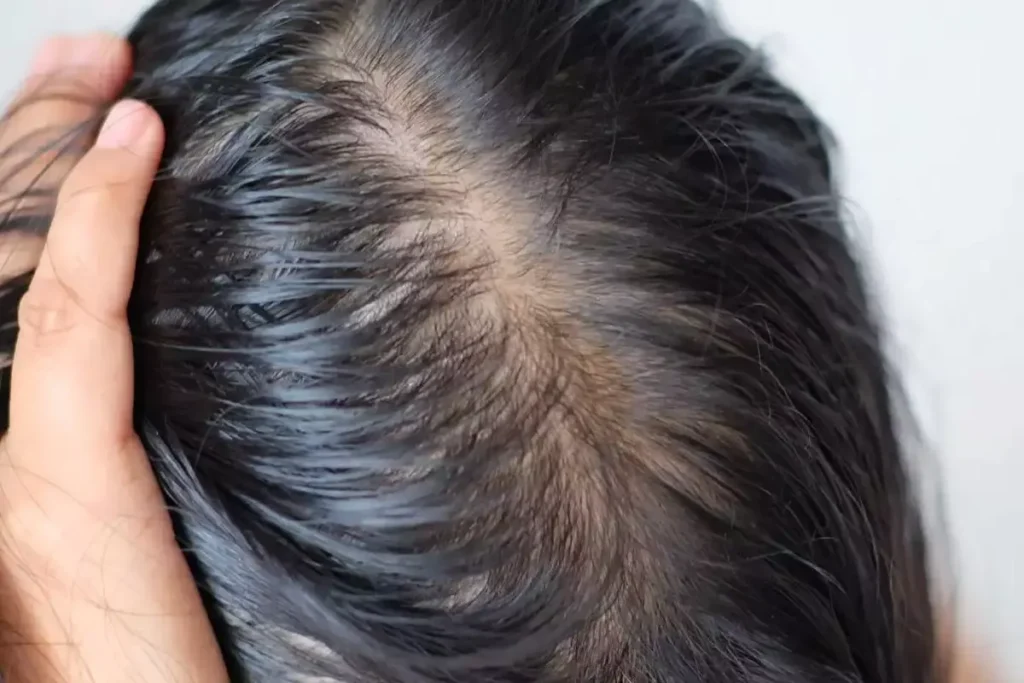
Are you struggling with hair loss despite your best efforts to keep your scalp healthy? The real cause might surprise you. Recent studies show that over half of people with alopecia have a vitamin D deficiency. Biotin and iron shortages also contribute to hair loss. Hair Thinning Vitamin Deficiency is a hidden cause of loss. Discover the best supplements and nutritional fixes to restore your hair’s thickness.
Worldwide, about 3.3 billion people deal with hair loss. It’s a big problem that needs to be addressed. At GoldCity Center, we see hair loss as more than just a cosmetic issue. It often points to underlying nutrient imbalances that need medical help.
Start your journey to a luxury transformation by learning how vitamin deficiencies can lead to hair loss.
Belangrijkste opmerkingen
Vitamin D deficiency is present in over 50% of patients with various forms of alopecia.
Biotin and iron insufficiencies are also significant contributors to hair loss.
Micronutrient imbalances can signal underlying health issues.
Professional medical attention is necessary to address hair loss.
A luxury transformation begins with understanding the link between vitamin deficiencies and hair loss.
The Link Between Hair Thinning Vitamin Deficiency and Hair Loss
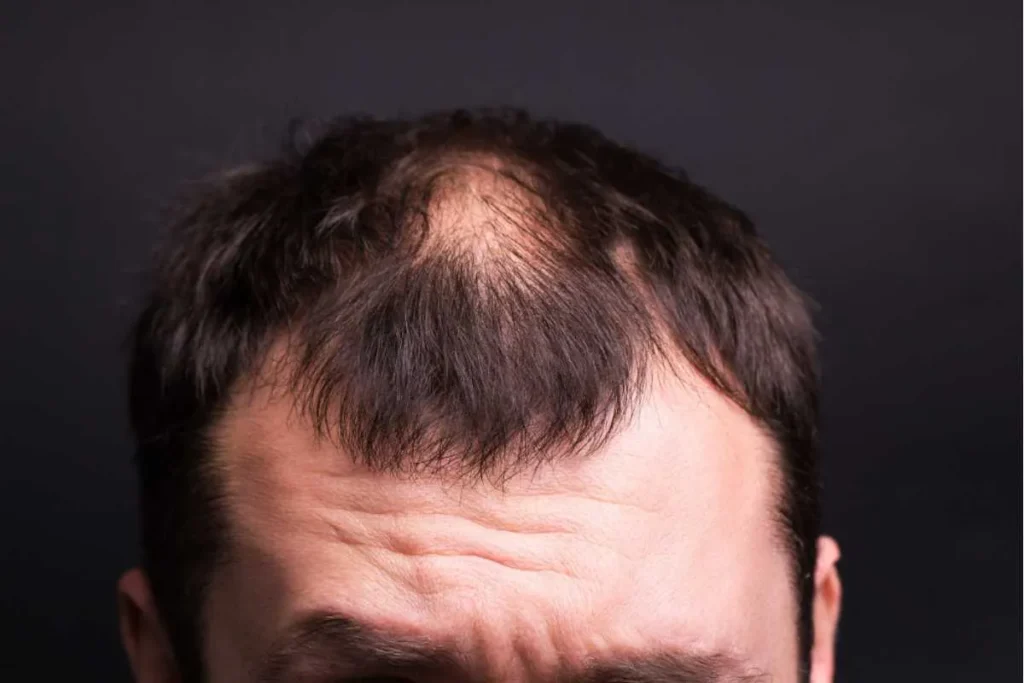
It’s important to know how vitamin deficiencies can cause hair loss. Our hair’s health depends a lot on what we eat. Certain vitamins and minerals help keep our hair follicles strong.
How Nutrients Affect Hair Follicle Health
Nutrients are key for healthy hair. Iron, zinc, B vitamins (including B12), and vitamin D are very important. Not having enough of these can make our hair thinner and fall out.
For example, iron deficiency is a big reason for hair loss, mainly in women. Also, vitamin D deficiency can cause alopecia, which is patchy hair loss.
A study showed that 38% of women with hair shedding had low biotin levels. Biotin (Vitamin B7) is vital for hair health. Eating enough of these nutrients or taking supplements can help stop hair loss.
Global Statistics: 3.3 Billion People Affected by Hair Loss
Hair loss is a big problem worldwide, affecting about 3.3 billion people. It’s not just men; women and people of all ages are affected too. The table below shows how vitamin deficiencies lead to hair loss.
These numbers show how important it is to address nutritional deficiencies for hair health. Fixing these issues with supplements or better eating can help prevent hair loss.
7 Essential Vitamins Your Hair Needs to Thrive
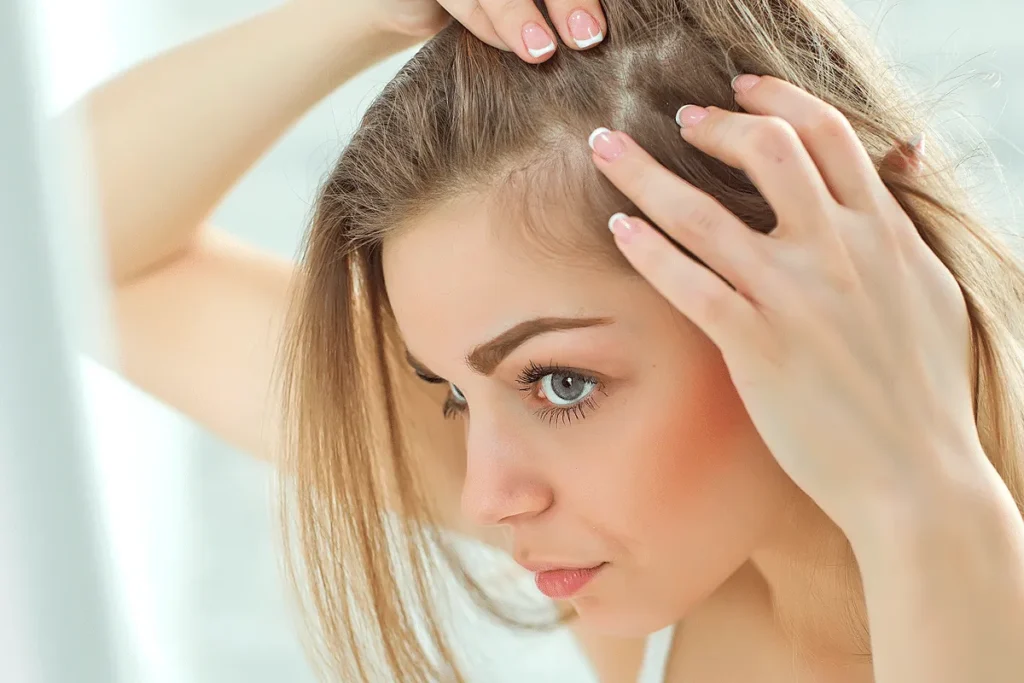
To make your hair healthy and strong, knowing the right vitamins is key. A diet full of these vitamins can greatly improve your hair’s look and health.
Vitamins are vital for keeping hair follicles healthy. Not having enough can cause hair loss and scalp problems. Here are the main vitamins your hair needs to stay healthy.
1. Vitamin D Deficiency
Vitamin D is important for your hair follicles. Studies link vitamin D deficiency to alopecia areata, a condition that makes hair fall out in patches. Getting enough vitamin D from sun, food, or supplements can help avoid this.
2. Biotin (Vitamin B7) Deficiency
Biotin is key for hair health. Biotin deficiency can lead to hair loss, skin issues, and brain problems. Eating foods high in biotin, like eggs, nuts, and whole grains, keeps biotin levels up.
3. Vitamin B12 Deficiency
Vitamin B12 is important for making red blood cells. These cells carry oxygen to your hair follicles. A lack of vitamin B12 can stop red blood cell production, slowing hair growth and causing it to fall out early. Eating foods rich in vitamin B12, like meat, fish, and dairy, helps avoid this.
4. Iron Deficiency
Iron deficiency often causes hair loss, mainly in women. Iron deficiency anemia means less oxygen for hair follicles, leading to hair loss. Eating iron-rich foods like red meat, spinach, and fortified cereals keeps iron levels up.
Along with these vitamins, a balanced diet with many nutrients is essential for hair health. Getting enough vitamins and minerals helps your hair grow well and prevents loss.
Conclusion: Creating Your Hair Health Nutrition Plan
Creating a personalized hair health nutrition plan is key for healthy hair growth and fixing hair loss from vitamin deficiencies. By knowing how vitamin deficiency for hair fall and hair loss works, you can manage your hair health.
Fixing vitamin deficiencies through diet or supplements can make hair thicker in months. Eating a balanced diet full of important vitamins and nutrients is vital for hair health. Supplements like vitamin D and iron can also help thinning hair if used right.
To get hair that shines, eat lots of leafy greens, citrus fruits, lean proteins, nuts, seeds, legumes, and healthy fats. A diet full of nutrients, along with the right supplements and doctor advice, can make your hair glow.
By focusing on hair health, you can fix vitamin deficiencies that lead to hair loss and improve overall health. With a plan tailored to your needs, you can achieve lasting beauty and confidence.
FAQ
Wat zijn de meest voorkomende vitaminetekorten die haaruitval veroorzaken?
Vitamin D, biotin, vitamin B12, and iron deficiencies often lead to hair loss. It’s important to get enough of these nutrients to keep hair follicles healthy and encourage hair growth.
Can supplements cause hair loss, or are they a solution to hair thinning?
Some supplements might cause hair loss, but others can help hair grow. Always talk to a healthcare professional before starting any supplements to find the right ones for you.
How do vitamins and nutrients affect hair follicle health?
Vitamins and nutrients are key to keeping hair follicles healthy. Not getting enough can cause hair to thin and fall out. But, enough nutrients can help hair grow strong and healthy.
What is the best way to address vitamin deficiencies causing hair loss?
To fix vitamin deficiencies, you need to eat right and use supplements. Eating a balanced diet and taking the right supplements can help your hair grow strong.
Are there any specific vitamins or supplements that can help with hair growth?
Yes, biotin, vitamin B12, and iron can help your hair grow. Keratin, saw palmetto, and horsetail extract might also help. Always check with a healthcare professional before starting any supplements.
How can I create a personalized hair health nutrition plan?
To make a plan for your hair health, first figure out what nutrients you need. Then, talk to a healthcare professional or a registered dietitian to get advice tailored just for you.
What are some common signs of vitamin deficiency causing hair loss?
Signs include a lot of hair falling out, hair that’s thinning, and hair that’s brittle or fragile. If you notice these, see a healthcare professional to find out why.
Kan een tekort aan vitamine C haaruitval veroorzaken?
Vitamin C deficiency doesn’t directly cause hair loss. But, it can make hair weak and brittle. Eating enough vitamin C or taking supplements can help keep your hair healthy.
Referenties
National Center for Biotechnology Information. Evidence-Based Medical Insight. Retrieved from https://pmc.ncbi.nlm.nih.gov/articles/PMC5315033/[2





