Antispastic Vs Antispasmodic? Read our best guide to find the amazing choice for elderly patients and achieve incredible, safe muscle relief.
Choosing the right muscle relaxant for elderly patients is very important. It needs careful thought about safety and how well it works. Many muscle relaxants can cause big problems, like falls and memory loss.
The 2023 American Geriatrics Society Beers Criteria say most muscle relaxants are not good for older adults. But, baclofen and tizanidine can be safer if used in small doses.
It’s key to know the differences between muscle relaxants. We want to find the safest muscle relaxer for elderly patients. This way, we can help manage muscle spasms without risking their health.
Belangrijkste opmerkingen
The majority of skeletal muscle relaxants are considered potentially inappropriate for older adults.
Baclofen and tizanidine are exceptions when used in reduced doses.
Healthcare providers must balance symptom relief with patient safety.
Careful consideration of the safety profiles of muscle relaxants is essential.
Effective management of muscle spasticity and spasms is critical for elderly patients.
Understanding Muscle Relaxants in Geriatric Care
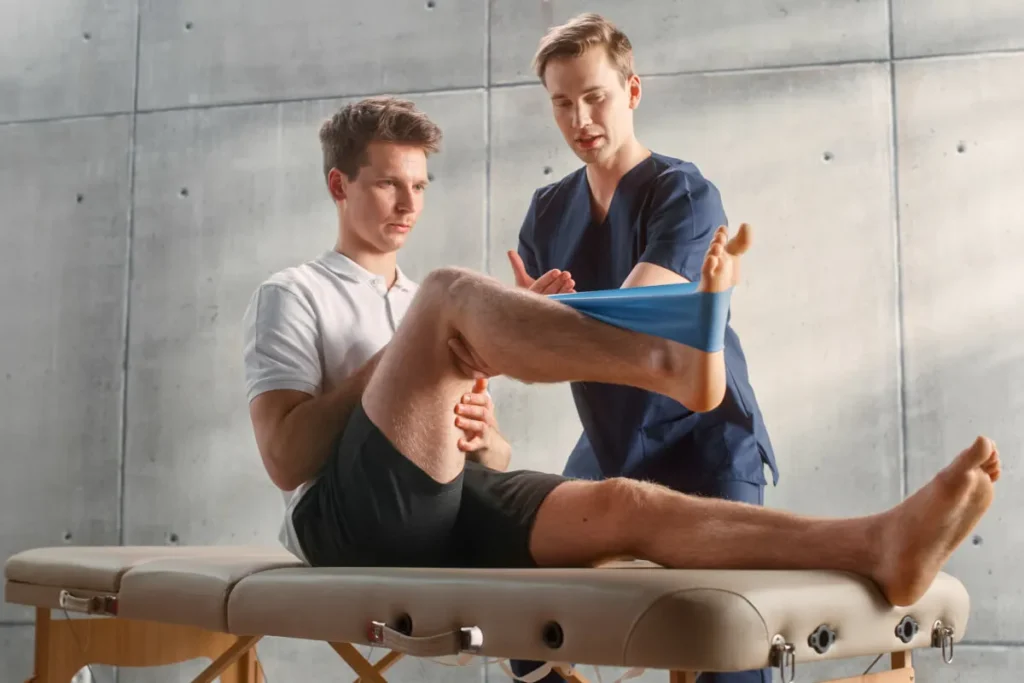
Muscle relaxants are often given to older adults. But, their effectiveness and safety can be affected by age. Older patients may have different ways of processing drugs, making them more likely to experience side effects.
Common Indications for Muscle Relaxants in Elderly Patients
Older adults use muscle relaxants for several reasons. These include muscle spasticity due to neurological disorders and musculoskeletal injuries. These issues can really affect their quality of life. That’s why muscle relaxants are key in helping manage symptoms and improve their well-being.
A clinical expert once said,
This shows how vital it is to pick the right medication for each patient.
Age-Related Changes Affecting Medication Response
As people get older, their bodies change in ways that affect how they react to drugs. For example, older adults might be more sensitive to medications. This can increase the risk of side effects.
Reduced metabolism can lead to prolonged drug action.
Changes in body composition can affect drug distribution.
Decreased renal function can impact drug excretion.
Healthcare providers need to understand these changes. This helps them make better choices when prescribing muscle relaxants to older patients.
Antispastic vs Antispasmodic: Key Differences
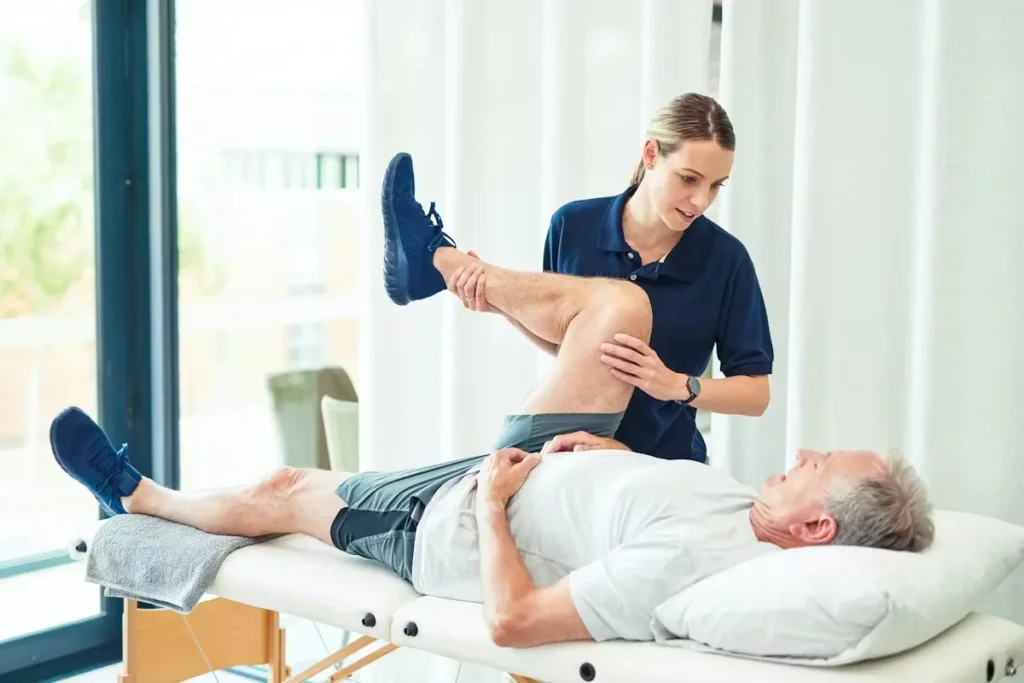
Antispastic and antispasmodic medications are used to relax muscles. But they work differently and are used for different reasons. It’s important for doctors to know this when treating older patients.
Mechanism and Uses of Antispastic Medications
Medicines like baclofen and tizanidine help with muscle spasticity. This is common in conditions like multiple sclerosis and spinal cord injuries. They help by reducing muscle tone and alleviating spasms, making it easier to move and feel less pain.
Baclofen works on the brain, focusing on GABA receptors to calm down muscle activity. Tizanidine, an alpha-2 adrenergic agonist, works by stopping the release of certain brain chemicals that cause spasms.
Mechanism and Uses of Antispasmodic Medications
Antispasmodics are for quick relief from muscle spasms. These can happen due to injuries or certain conditions. They work by blocking the action of acetylcholine at muscarinic receptors, which helps stop spasms.
Antispasmodics are not for long-term use of spasticity. They are for short-term relief. Elderly patients need to be careful because they can cause side effects like dry mouth and constipation.
Comparative Efficacy in Elderly Patients
When looking at how well these medicines work in older adults, safety is key. Studies show that tizanidine might be safer than other options. This makes it a good choice for older patients.
Choosing between antispastic and antispasmodic medicines depends on the patient’s condition and history. Knowing the differences helps doctors find the best treatment for older patients.
Safety Profiles of Common Muscle Relaxants for Elderly Patients
The safety of muscle relaxants for the elderly is a big concern. We need to look closely at the latest guidelines. As more seniors use these drugs, it’s important to think about their safety.
2023 American Geriatrics Society Beers Criteria Recommendations
The 2023 American Geriatrics Society Beers Criteria give detailed advice on medicines for older adults. It says most muscle relaxants should be avoided in seniors because of the risk of sedation and falls. But, baclofen and tizanidine are okay in small doses.
High-Risk Muscle Relaxants to Avoid
Some muscle relaxants are riskier for seniors because of how they work and possible side effects. Cyclobenzaprine and carisoprodol are two to avoid. They can make people sleepy and lead to addiction.
Tizanidine: The Safer Alternative
Tizanidine is safer than many other muscle relaxants. It’s a good choice for seniors when used in small amounts. Studies show it has fewer side effects, making it better for treating muscle spasticity in older adults.
Baclofen: Benefits and Risks
Baclofen is also considered safe for seniors, mainly for spasticity. But, we must think about its good and bad sides. It can help but might make people sleepy or weak, so we need to watch the dose closely.
In short, doctors must think hard about the pros and cons of muscle relaxants for seniors. Following guidelines like the 2023 American Geriatrics Society Beers Criteria helps make sure treatment is safe and works well.
Conclusion: Best Practices for Muscle Relaxant Use in Elderly Patients
Managing muscle spasms in elderly patients requires careful use of muscle relaxants. It’s important to choose the right medication and dosage. Tizanidine and baclofen are safe options when used correctly.
Healthcare providers must know the risks of muscle relaxants in older adults. They should understand the differences between types of medications. This helps in choosing the best treatment.
Starting with low doses and gradually increasing is key. This approach helps avoid side effects. Regular checks and adjustments to treatment plans are also vital for the best results.
FAQ
What are the most common muscle relaxants prescribed to elderly patients?
Elderly patients often get tizanidine, baclofen, cyclobenzaprine, methocarbamol, and Robaxin. The best choice depends on each patient’s health and needs.
What is the difference between antispastic and antispasmodic muscle relaxants?
Antispastic muscle relaxants, like baclofen and tizanidine, treat spasticity from neurological issues. Antispasmodic ones, such as cyclobenzaprine and methocarbamol, help with muscle spasms from musculoskeletal problems.
Why are muscle relaxants considered high-risk for elderly patients?
Muscle relaxants can be risky for the elderly. Age-related changes affect how the body processes drugs. This increases the risk of side effects like sedation, confusion, and falls.
What does the 2023 American Geriatrics Society Beers Criteria recommend regarding muscle relaxants in elderly patients?
The 2023 American Geriatrics Society Beers Criteria warns against using certain muscle relaxants, like cyclobenzaprine and carisoprodol, in the elderly. It suggests caution with others and recommends safer options like tizanidine.
Is tizanidine a safe muscle relaxant for elderly patients?
Yes, tizanidine is safer for the elderly than many other muscle relaxants. It’s effective for spasticity and has a good safety record when used correctly.
What are the possible side effects of baclofen in elderly patients?
Baclofen can cause drowsiness, dizziness, weakness, and confusion in the elderly. It’s important to watch patients closely, mainly when starting or changing the dosage.
Can long-term use of muscle relaxants lead to dependence or other issues in elderly patients?
Long-term use of some muscle relaxants can cause dependence, tolerance, or other problems like cognitive issues or increased fall risk. Regular checks and reassessments are key.
Are there any muscle relaxants that are safer for elderly patients with heart conditions?
For elderly patients with heart conditions, it’s important to pick muscle relaxants that are safe for the heart. Tizanidine and baclofen are safer, but careful monitoring is needed.
How should muscle relaxant therapy be initiated and monitored in elderly patients?
Starting muscle relaxant therapy in the elderly requires careful thought about their health, drug interactions, and the reason for use. Regular follow-ups are needed to check how well it’s working, adjust dosages, and watch for side effects.
Referenties
Nationaal Centrum voor Biotechnologie-informatie. Evidence-Based Medisch Inzicht. Opgehaald van https://pmc.ncbi.nlm.nih.gov/articles/PMC12478568/[1