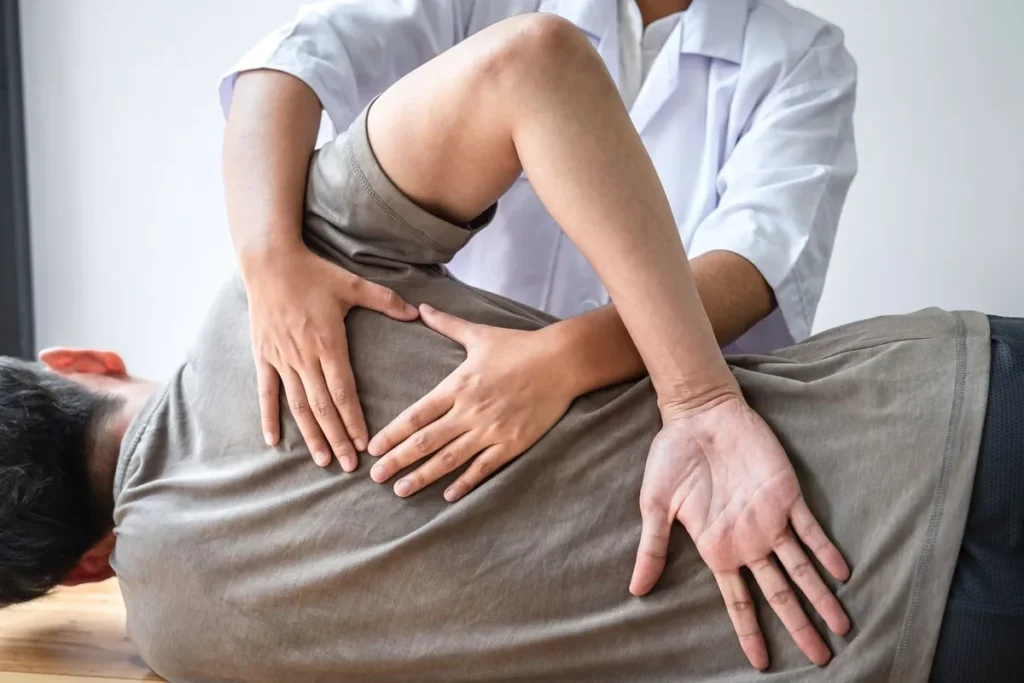
Back spasms can hit without warning, causing pain that stops you from doing everyday things. The good news is that you can find relief at home. There are natural remedies and changes you can make to your life that really work.
Looking for a back spasm remedy? Discover incredible natural treatments and easy home methods to achieve instant, soothing pain relief.
Doctors and health experts agree that natural relief methods are great for managing pain. You can try using heat or ice, stretching, or eating foods high in magnesium. These simple steps can help a lot.
By trying these natural remedies, you can find ways to stop spasms from happening again. This can change how you handle muscle tension and improve your overall health.
Belangrijkste opmerkingen
Effective back spasm relief starts at home with natural remedies.
Heat and ice therapy can provide immediate relief.
Stretching exercises help in relaxing muscle tension.
Magnesium-rich foods support muscle gezondheid.
Lifestyle modifications can prevent future spasms.
Understanding Back Spasms and Their Causes

Back spasms are sudden, severe muscle contractions. They can be very painful and are more common than you might think. These spasms can vary from mild to severe and often cause pain and stiffness.
What Are Back Spasms and How Common Are They?
Back spasms are involuntary muscle contractions in the back. They can be caused by injuries, disc problems, or nerve issues. Up to 80 percent of adults will experience lower back pain at some point.
The severity and how often back spasms happen can vary. It depends on your health, lifestyle, and any medical conditions you might have.
These spasms can be either acute or chronic. Acute spasms usually come from sudden injuries or strains. Chronic spasms might be due to long-term issues like bad posture, muscle imbalances, or degenerative conditions.
Common Triggers and Risk Factors
Several factors can trigger or increase the risk of back spasms. These include:
Muscular Injury or Strain: Overstretching or tearing of the muscle fibers can lead to spasms.
Poor Posture: Chronic poor posture can put strain on the back muscles, leading to spasms.
Dehydration: Inadequate hydration can lead to muscle cramps and spasms.
Disc Herniation or Degenerative Disc Disease: Conditions affecting the spinal discs can irritate nerves and cause muscle spasms.
Nerve Irritation: Compression or irritation of nerves can cause spasms in the back muscles.
Knowing what triggers and increases the risk of back spasms is key. By addressing these causes, you can manage and prevent spasms. This can help find relief and lower the chance of future episodes.
Effective Back Spasm Remedy Options for Immediate Relief

Back spasms can be very painful and disrupt your day. Luckily, there are many ways to ease the pain and help your body heal.
Cold Therapy for Initial 72 Hours
Cold therapy is great for back spasms in the first 72 hours. It reduces swelling, numbs the pain, and relaxes the muscles.
Wrap an ice pack or a bag of frozen peas in a towel to avoid direct contact with the skin.
Apply the cold pack to the affected area for 15-20 minutes.
Repeat the process every 2-3 hours as needed.
Cold therapy is most effective when used promptly after the injury or onset of back spasms.
Heat Application for Muscle Relaxation
After 72 hours, heat therapy can help relax muscles and improve blood flow. It reduces stiffness and eases pain.
Use a warm bath, heating pad, or a warm compress.
Apply heat to the affected area for 15-20 minutes.
Repeat as necessary, ensuring the heat is not too intense to avoid burns.
Gentle Stretches to Ease Tension
Gentle stretching can ease tension and reduce muscle spasms. It’s important to do these stretches carefully to avoid making things worse.
Knee to Chest Stretch: Lie on your back, bring one knee towards your chest, and hold for 30 seconds.
Pelvic Tilt: Lie on your back with knees bent, tilt your pelvis upwards, and hold for a few seconds before releasing.
Topical Applications and Natural Ointments
Topical creams and ointments with natural ingredients like arnica, capsaicin, or magnesium can help with back spasms. They reduce inflammation, numb pain, or relax muscles.
Using these remedies can help manage back spasms and improve your life quality.
Long-Term Natural Strategies to Prevent Recurring Back Spasms
Natural strategies are a great way to stop back spasms and feel better overall. By adding these methods to your daily life, you can cut down on back spasms. This improves your life quality a lot.
Strengthening Exercises for Back Support
Doing strengthening exercises regularly is key to a strong back. These exercises help the core and back muscles. They give the back the support and stability it needs.
Pelvic tilts: Helps in loosening tight muscles and improving flexibility.
Bridges: Strengthens the back muscles and glutes, providing better support for the spine.
Planks: Enhances core strength, which is vital for maintaining good posture and reducing strain on the back.
Nutrition and Hydration for Muscle Function
Eating well and staying hydrated are key to muscle health and avoiding spasms. Nutrition and hydration help your muscles work right.
Regular Massage and Self-Myofascial Release Techniques
Getting regular massage therapy and doing self-myofascial release helps a lot. It eases muscle tension and boosts blood flow. This lowers the chance of back spasms.
Massage therapy: Helps in relaxing tense muscles and improving blood flow.
Foam rolling: A form of self-myofascial release that can help in reducing muscle soreness.
When to Seek Medical Help
Even with natural methods, knowing when to see a doctor is important. If back spasms keep coming back or you have other symptoms, get medical help.
By using these natural strategies, you can stop back spasms and feel better. Adding exercises, eating right, and getting massages can really help. This can make a big difference in your life.
Conclusie
Relieving back spasms at home is possible with the right natural remedies. Using heat and ice, stretching, and eating foods rich in magnesium can help. These steps can ease back muscle spasms effectively.
Home remedies for back spasms are safe and work well to manage pain. They also help prevent future episodes. Keeping a healthy lifestyle, including regular exercise and a balanced diet, is key to avoiding back spasms.
By using these natural remedies and making lifestyle changes, you can cut down on medication. This leads to a more active and pain-free life. Start using these back spasms home remedies today. Take the first step towards a healthier, happier you.
FAQ
What are some effective home remedies for back spasms?
Effective home remedies for back spasms include cold therapy and heat application. Gentle stretches and topical applications like arnica gel or capsaicin cream also help. Magnesium supplements can ease muscle spasms.
How can I relieve back spasms at home?
To relieve back spasms at home, start with cold therapy for the first 72 hours. Then, use heat to relax the muscles. Gentle stretches and topical applications can also help. Remember to stay hydrated and eat well.
What are some natural remedies for back muscle spasms?
Natural remedies for back muscle spasms include arnica gel, capsaicin cream, and magnesium supplements. Gentle stretches, yoga, and self-myofascial release techniques can also ease muscle tension.
Can dehydration cause back spasms?
Yes, dehydration can cause back spasms. Dehydration makes muscles imbalanced, leading to spasms. Drinking plenty of water is key to preventing back spasms.
How can I prevent recurring back spasms?
To prevent recurring back spasms, stay healthy by exercising, practicing good posture, and staying hydrated. Regular massage and self-myofascial release can also help.
When should I seek medical help for back spasms?
If your back spasms are severe, persistent, or have other symptoms like numbness or weakness, seek medical help. Also, see a doctor if home remedies don’t work.
Can magnesium help alleviate muscle spasms in the back?
Yes, magnesium can help with back muscle spasms. Magnesium supplements relax muscles and reduce cramping. Topical magnesium creams or gels can also be applied directly to the area.
Are there any specific stretches that can help relieve back spasms?
Yes, specific stretches like pelvic tilts, knee to chest stretches, and cat-cow stretches can help. Always stretch gently and avoid bouncing or forcing the stretch.
Referenties
Nationaal Centrum voor Biotechnologie-informatie. Evidence-Based Medisch Inzicht. Opgehaald van https://pubmed.ncbi.nlm.nih.gov/25536022/