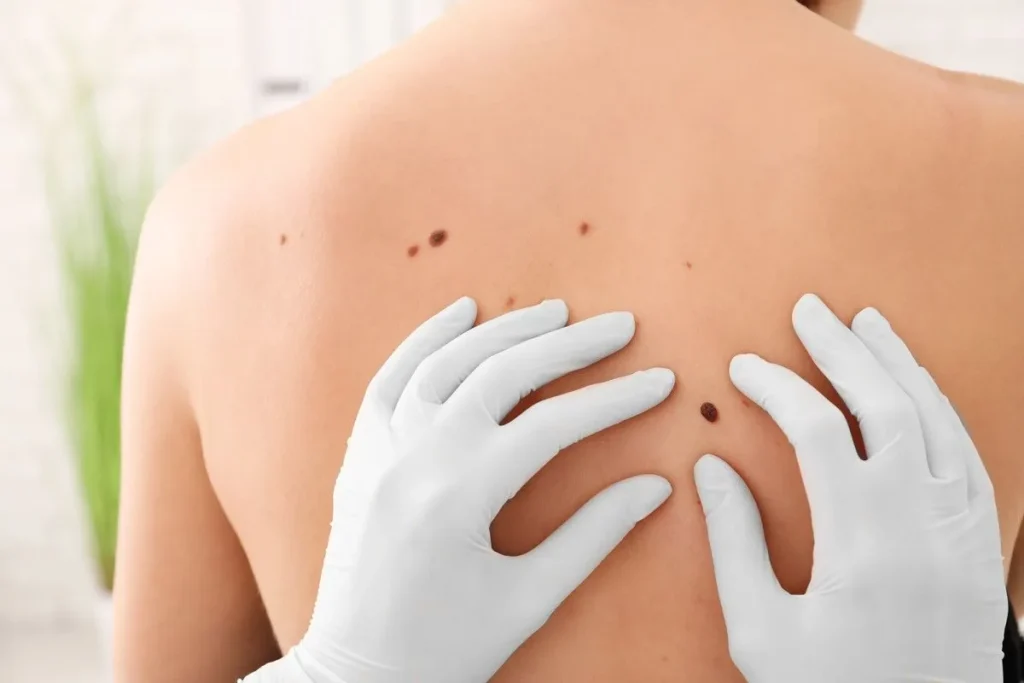
Discover how to get rid of unwanted marks on your skin. These dark spots can show up on your face, shoulders, and back. They often come from hyperpigmentation, which happens when your skin makes too much melanin. This can be caused by too much sun, your genes, or changes in hormones. Clear black spots on back skin with best amazing tips. Use powerful treatments for an incredible and flawless skin transformation.
To get a radiant glow, you need to try different treatments. You can use creams like hydroquinone, kojic acid, or vitamin C serums. For bigger problems, laser treatments and chemical peels can really help.
Belangrijkste opmerkingen
Hyperpigmentation is a main reason for dark spots on the skin.
UV exposure, genetics, and hormonal changes can trigger hyperpigmentation.
Topical treatments like hydroquinone and vitamin C serums can help.
Professional procedures such as laser treatment and chemical peels are effective for severe cases.
Understanding the cause is key to finding the right treatment.
Understanding Black Spots on Skin
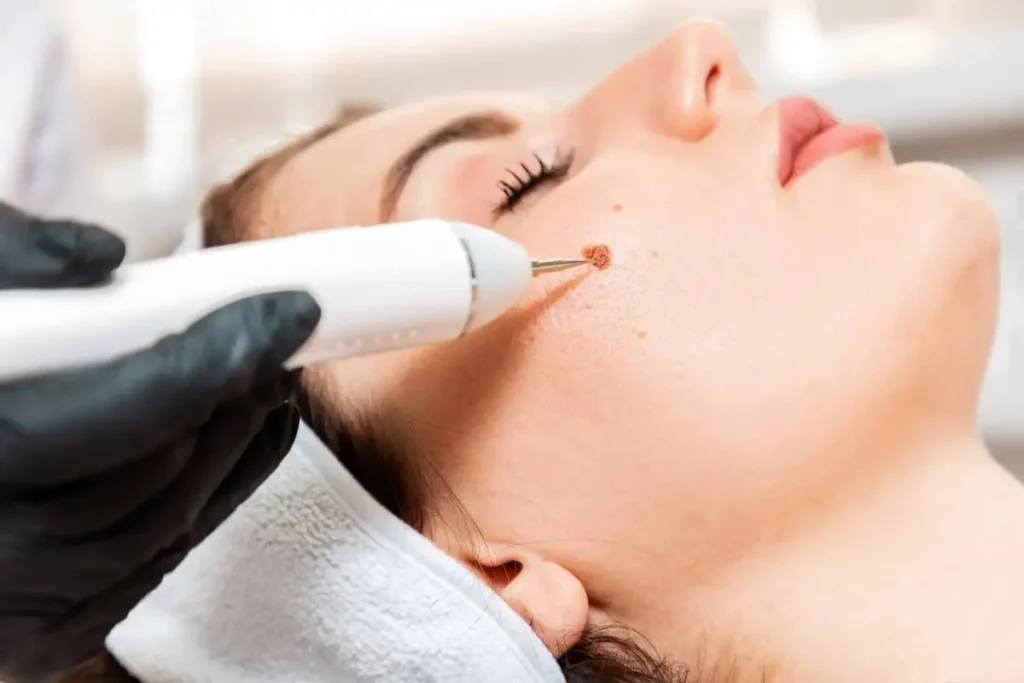
Dark spots on the skin, often called black spots, are areas where the skin gets darker. This happens because the skin makes too much melanin, the pigment that gives skin its color.
What Are Black Spots and Why They Appear
Black spots can be different sizes. They often show up in sun-exposed areas like the face, shoulders, and upper back. Medical studies show they can be caused by sun, hormonal changes, and skin injuries. Knowing why they happen is key to treating them.
Common Areas Affected by Black Spots
Black spots usually pop up where the sun hits the skin a lot. Common spots include:
The back of hands
Face
Shoulders
Upper back
Knowing where and why black spots appear helps people take steps to stop and treat them. This can help even out skin tone.
Common Causes of Black Spots on Back Skin
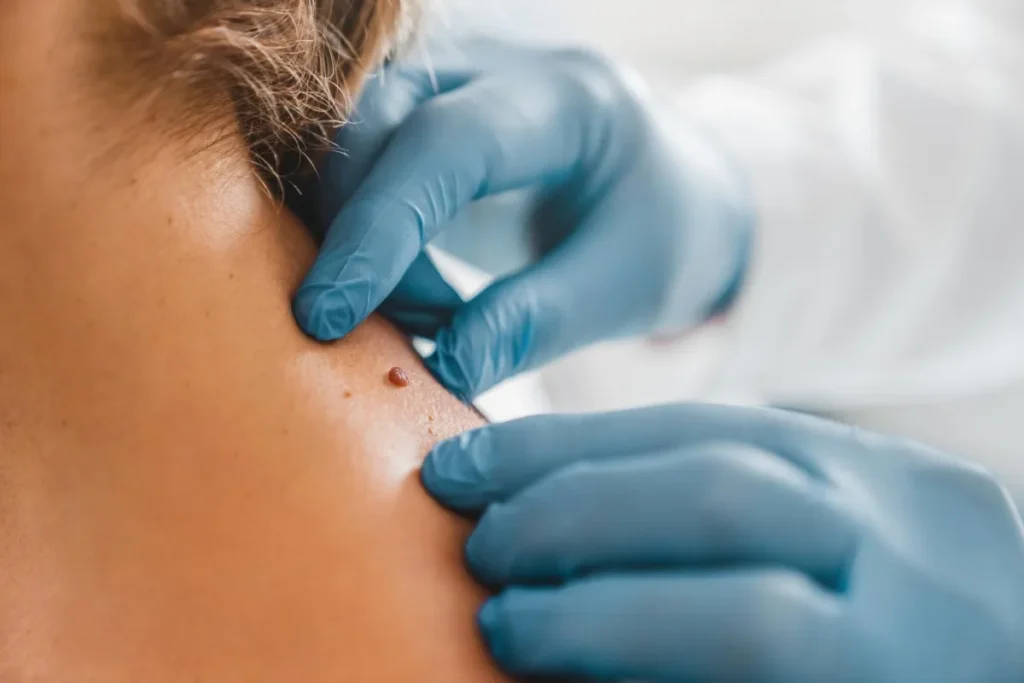
Understanding why you get black spots on your skin is key to looking radiant. Black spots on the back worry many people. They can come from different reasons, and fixing them needs a full plan.
Hyperpigmentation and Melanin Production
Hyperpigmentation is a main reason for black spots. It happens when you make too much melanin. Melanin is what makes your skin color, and too much can cause dark spots. Things like UV exposure, hormonal changes, and genes can start hyperpigmentation.
Blootstelling aan de zon en UV-schade
Sun exposure plays a big part in black spots. UV rays make melanin, causing age and sun spots. Not protecting your skin from the sun can make spots appear faster.
Hormonal Changes and Genetic Factors
Hormonal changes, like during pregnancy, can lead to black spots. These changes can make more melanin, causing spots. Also, genetic factors can make some people more likely to get spots.
Post-inflammatoire hyperpigmentatie
Post-inflammatory hyperpigmentation (PIH) is another reason for black spots. PIH happens after skin gets inflamed, like from acne or cuts. The inflammation makes more melanin, leaving dark spots even after the inflammation goes away.
To tackle black spots, knowing why they happen is important. By finding the cause, you can pick the right treatment. Using nature-powered luxury skincare and protecting your skin from the sun can help even out your skin tone and lessen black spots.
Hyperpigmentation due to excess melanin production
Sun exposure and UV damage
Hormonal changes and genetic factors
Post-inflammatory hyperpigmentation
By tackling these causes and using good skincare, you can get a glowing and even skin tone.
Effective Treatments for Removing Black Spots
Wondering what removes black spots on the face? There are many options. Black spots, or dark specks, can be tough to get rid of. But, with the right treatment, you can get a radiant glow.
To treat black dots on the face, you need to know the cause and pick the right treatment. You can use topical treatments or go for professional procedures.
Topical Treatments and Ingredients
Topical treatments are a good start against black spots. Ingredients like hydroquinone, kojic acid, and vitamin C work well. They help reduce the look of these spots.
Hydroquinone: A skin-lightening agent that reduces melanin production.
Kojic Acid: Derived from fungi, it inhibits melanin production and is known for its gentle, non-irritating properties.
Vitamin C Serums: Antioxidant-rich serums that brighten the skin and promote collagen production.
These ingredients help by reducing melanin and promoting skin renewal. They help fade black spots over time.
Professional Procedures
For more serious results, professional procedures are a good choice. These treatments target black spots aggressively. They offer quick, dramatic results.
Choosing the right treatment, whether topical or professional, can give you a before-after glow. It’s about finding the universal radiance that fits your skin type and tone.
Conclusion: Prevention and Long-Term Care
Your journey to glowing skin begins with prevention and long-term care. Protect your skin from the sun and use the right skincare products. Also, be mindful of hormonal changes to avoid black spots.
For lasting results, keep using topical treatments and seek professional advice. This will help you maintain your skin’s health.
Adopting these habits will help your beauty grow with you. It’s about embracing beauty that fits everyone and making sure your skincare meets your needs. Whether it’s a black spot or a small dot, knowing the cause and acting early is essential.
For more tips on managing black spots and getting a flawless face, check out Pharmeasy’s blog. It offers effective treatments and expert advice.
FAQ
What are black spots on the skin?
Black spots on the skin are areas where the skin has too much melanin. This usually happens because of too much sun, hormonal changes, or injuries.
Why do I get dark spots on my skin?
Dark spots can appear for many reasons. These include too much sun, your genes, hormonal shifts, and injuries.
What causes black spots on my back and shoulders?
Black spots on your back and shoulders often come from sun exposure, hormonal changes, and your genes.
How can I remove black spots on my face?
To get rid of black spots on your face, try creams with hydroquinone, kojic acid, or vitamin C. You can also look into laser treatments and chemical peels.
What are the best treatments for black spots on the skin?
Good treatments for black spots include creams with hydroquinone, kojic acid, and vitamin C. You can also try laser treatments and chemical peels.
How can I prevent black spots from appearing on my skin?
To stop black spots, keep your skin safe from the sun. Use the right skincare and watch out for hormonal changes that might affect your skin.
What is hyperpigmentation and how does it cause black spots?
Hyperpigmentation is when your skin makes too much melanin. This leads to black spots, often because of sun, hormones, and genes.
Can hormonal changes cause black spots on the skin?
Yes, hormonal shifts, like during pregnancy, can lead to black spots because of the extra melanin.
Are black spots on the skin permanent?
Black spots aren’t always permanent. They can be treated and lessened with the right skincare and professional help.
How can I achieve a radiant glow and reduce black spots?
For a radiant glow and to lessen black spots, use advanced skincare and beauty technology. Consider treatments like laser therapy and chemical peels.
Referenties
Nationaal Centrum voor Biotechnologie-informatie. Evidence-Based Medisch Inzicht. Opgehaald van https://www.ncbi.nlm.nih.gov/books/NBK559150/