Thinking about cheek fillers for the first time can be scary, mainly because of pain worries. At Kopelman Aesthetic Surgery, Medical Expert. He aims to bring back youthful looks with care and ease.
Most people feel only a little bit of pain during the treatment. It’s often compared to a light pinch. Thanks to modern numbing methods and skilled injectors, the process is both quick and comfy.
Cheek fillers, made from hyaluronic acid, help fill in the midface area where volume is lost. Choosing a seasoned injector means a safe and pleasant experience for you.
Belangrijkste opmerkingen
Cheek fillers cause only mild, short-term discomfort for most patients.
Advanced numbing techniques and experienced injectors minimize pain.
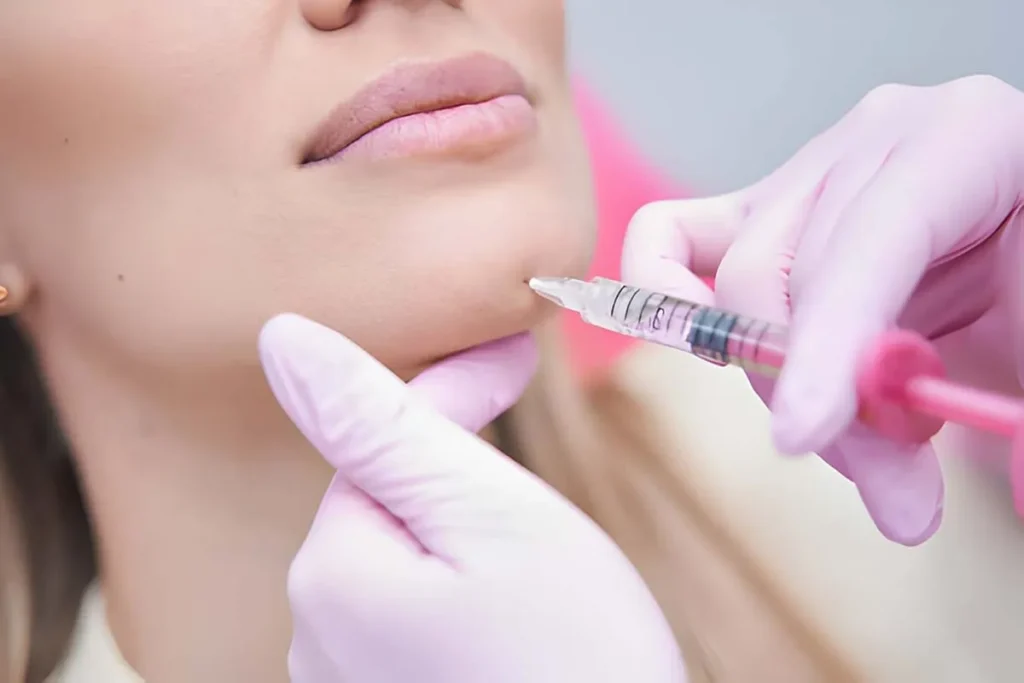
The procedure involves small injections beneath the skin to restore volume.
Materials like hyaluronic acid are used for cheek fillers.
Patients can expect a relatively quick and comfortable process.
Does Cheek Filler Hurt? Understanding the Procedure and Pain Levels

Many people worry about the pain when getting cheek fillers. These fillers are used to add volume and make the face look younger. They are a popular choice for cosmetic treatments.
The type of cheek filler used affects how it feels during the procedure. Cheek fillers are made from hyaluronic acid, calcium hydroxylapatite, and poly-L-lactic acid. The right material depends on what you want and your skin type.
What Are Cheek Fillers Made Of?
Each material has its own benefits. Hyaluronic acid fillers feel natural and can be reversed. Calcium hydroxylapatite fillers last longer. Knowing what your filler is made of helps you make a better choice.
Pain Expectations During the Procedure
Most people find the pain mild, rating it a 3 or 4 out of 10. The pain is like a quick pinch followed by a dull pressure. Using numbing cream and lidocaine-infused fillers helps a lot.
The Eau Claire Body Care Center says the pain can vary. But it’s usually manageable. Providers do their best to make you comfortable.
How Providers Minimize Discomfort
Providers use numbing cream and lidocaine-infused fillers to reduce pain. These steps make the procedure easier to handle. Knowing what’s done to make you comfortable can help you feel more at ease.
Choosing to get cheek fillers should be a well-informed decision. It’s important to understand the procedure, including the pain and how it’s managed.
Recovery Process and What to Expect After Treatment

Getting the look you want from cheek fillers starts with knowing what to expect during recovery. After getting cheek fillers, most people find the recovery easy. They don’t need to take a lot of time off work.
Timeline for Post-Procedure Discomfort
Discomfort after getting cheek fillers usually goes away in 24 to 72 hours. Some might feel a bit sore for up to a week. The Mabrie Facial Institute suggests using ice packs and over-the-counter pain meds to feel better.
Managing Swelling, Bruising, and Other Side Effects
Swelling and bruising are common after cheek fillers. They usually go away in one to two weeks. To reduce swelling, try using ice packs and keeping your head up. Avoid hard activities and follow the aftercare advice to lessen side effects. Remember, swelling usually gets worse in the first 24 to 48 hours.
When to Expect Final Results
Once the swelling goes down, you’ll see the full effect of cheek fillers in one to two weeks. The amount of filler, like 1ml cheek filler, affects how long it takes to see the full results. Knowing what to expect helps plan your treatment for the best results.
Procedure Duration and Cost Considerations
The cheek filler procedure is quick, lasting 15 to 30 minutes. The price depends on the type and amount of filler used. Cheekbone filler cost is a big factor for many. Looking at cheekbone fillers before and after pictures helps plan and understand what you might look like after.
Understanding the recovery and what to expect after cheek fillers helps make informed choices. Watching cheek fillers day by day helps track your progress and manage your expectations.
Conclusion: Is Cheek Filler Worth It?
Cheek fillers can be a good choice for those wanting to add volume and shape to their face. The process might cause some discomfort, but it’s usually mild and short-lived. Choosing a skilled injector, like those at Kopelman Aesthetic Surgery, can lead to natural-looking results.
The length of time the results last varies. Hyaluronic acid fillers can last 6 to 12 months. Calcium hydroxylapatite fillers might last even longer. The cost depends on the type and amount of filler. But, the results can last a while. Photos often show the big changes cheek fillers can make.
Whether or not to get cheek fillers depends on your personal goals. With the right professional and care, cheek fillers can make your face look younger and brighter. So, is cheek filler worth it? Yes, for many, it’s a quick and effective way to improve their appearance.
FAQ
Do cheek fillers hurt?
Some discomfort is possible, but most patients feel only mild pain. It’s often compared to a quick pinch or light pressure. Numbing cream and lidocaine-infused fillers help make it less uncomfortable.
Are cheek fillers worth it?
Yes, cheek fillers can be a good choice for those wanting to restore volume and enhance their face. With an experienced injector, you can get natural-looking results that last.
How long does the cheek filler procedure take?
The procedure is quick, lasting about 15 to 30 minutes.
What are cheek fillers made of?
Cheek fillers come in different materials like hyaluronic acid, calcium hydroxylapatite, and poly-L-lactic acid. The right material depends on your goals and the injector’s advice.
How much do cheek fillers cost?
The cost varies based on the type and amount of filler used.
How long do cheek fillers last?
Cheek fillers can last a long time, up to 12 months or more.
What can I expect during the recovery process?
Discomfort usually goes away in a few days, with some tenderness for up to a week. Swelling and bruising are common but usually fade in one to two weeks.
Can you feel filler in your face?
At first, some may notice the filler, but as swelling goes down, it becomes less noticeable.
Is 0.5 ml cheek filler enough?
The right amount of filler depends on your goals and the injector’s advice. Some may need more or less to get the desired look.
Are fillers painful?
While some discomfort is possible, most patients feel only mild pain during the procedure. Numbing cream and lidocaine-infused fillers help make it less uncomfortable.
Referenties
Nationaal Centrum voor Biotechnologie-informatie. Evidence-Based Medisch Inzicht. Opgehaald van https://pmc.ncbi.nlm.nih.gov/articles/PMC10181027/