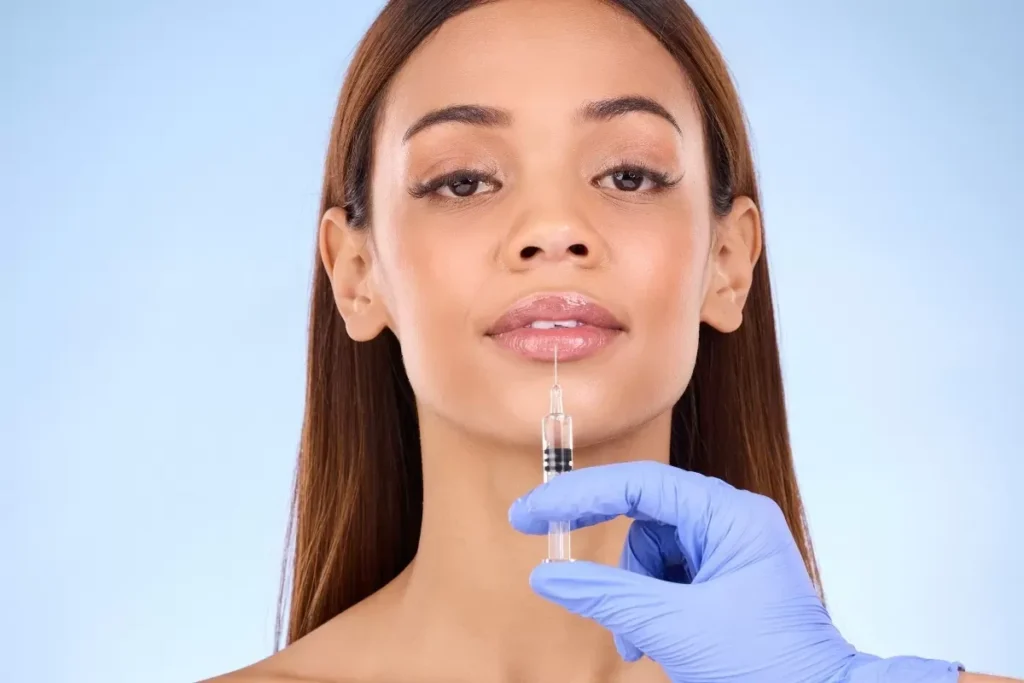
Lip fillers are a popular choice for making lips look fuller. But, some people might have unexpected allergic reactions. These can be anything from mild swelling to serious inflammation, even months later.
Don’t panic during a filler allergic reaction! Follow our expert guide on how to treat symptoms quickly and safely for total relief.
It’s important to know why these reactions happen and how to treat them. At GoldCity Centrum, they focus on the patient. They do thorough checks before treatment to lower risks.
Lip fillers are usually safe. But, they can cause some discomfort or serious problems in rare cases. Luckily, most allergic reactions are mild. They can be treated with the right medical care.
Belangrijkste opmerkingen
Allergic reactions to lip fillers can occur, even months after treatment.
Comprehensive pre-treatment screening is essential to minimize risks.
Most allergic reactions are mild and manageable with medical intervention.
GoldCity Center adopts a patient-centered approach to lip filler treatments.
Understanding the causes and treatment options is key for patients.
Understanding Filler Allergic Reactions and Their Causes
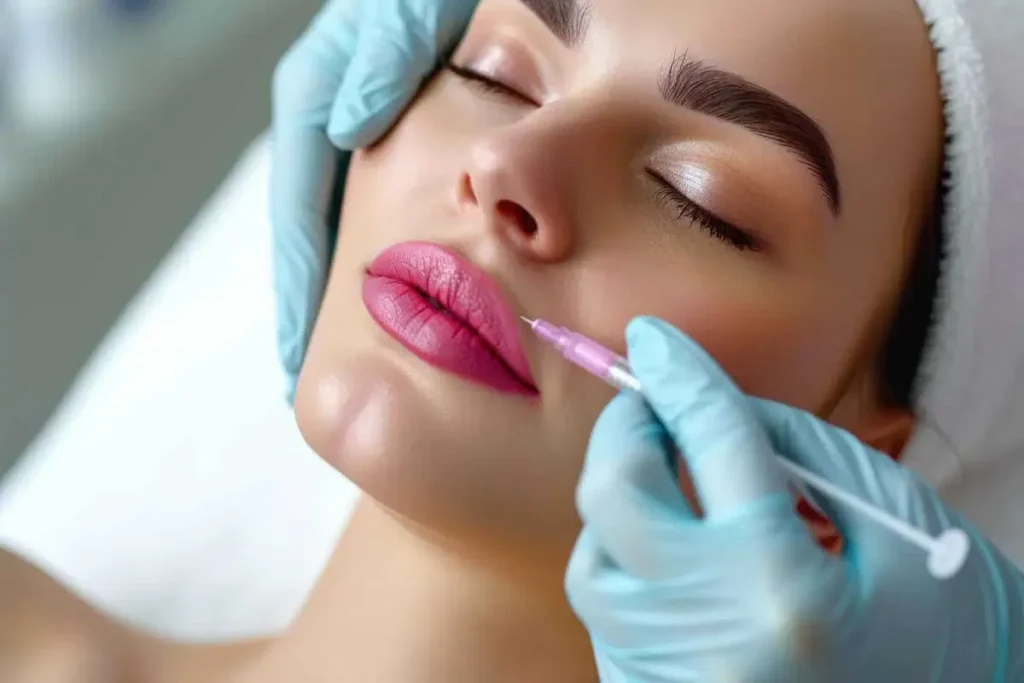
Allergic reactions to lip fillers are rare but serious. They can worry people who want to look better. As more people get lip fillers, knowing the risks is key.
“Safe cosmetic practices start with knowing what’s in the fillers,” says a top cosmetic dermatologist. Hyaluronic acid fillers are usually safe. But, additives like lidocaine and proteins can cause allergies.
Common Allergens in Lip Fillers
Lip fillers have ingredients that can cause allergies. Some common allergens are:
Lidocaine and other local anesthetics
Proteins and other contaminants in the filler material
Preservatives and stabilizers added to the filler formulation
Studies show lidocaine sensitivity is a big worry. It’s used to numb in many cosmetic treatments. People with allergies or sensitivities should talk to their doctor before any cosmetic treatment.
Immediate vs. Delayed Hypersensitivity Responses
Allergic reactions to lip fillers can show up in different ways. Some happen right after, while others take longer. Immediate reactions might include redness, swelling, and itching.
Delayed reactions can take days, weeks, or even months to appear. They can be hard to spot and need a doctor’s careful look.
Knowing when and how allergic reactions happen is important for getting the right treatment. Spotting the signs of both immediate and delayed reactions helps get quick medical help.
Recognizing Symptoms of a Filler Allergic Reaction
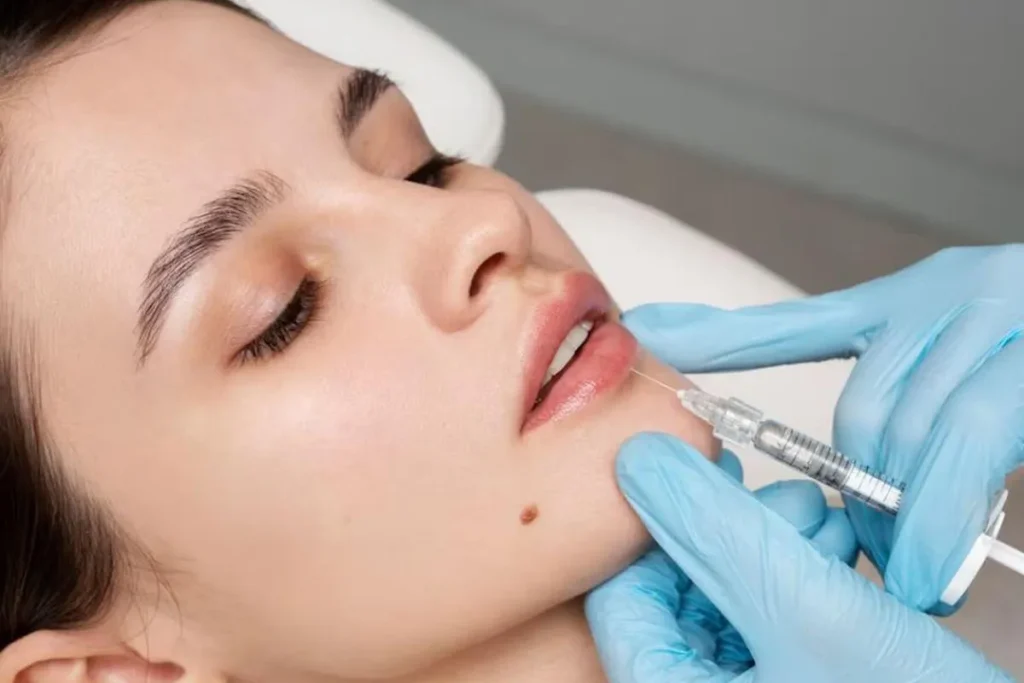
It’s important to know the signs of an allergic reaction to lip fillers. These reactions can be mild or severe. Knowing the early signs helps you act fast.
Early Warning Signs and Immediate Reactions
Reactions to lip fillers can happen quickly, within minutes to hours. You might see redness, swelling, itching, or pain where the filler was injected. In rare cases, you could have trouble breathing or swallowing, which is a serious sign to seek help right away.
Common immediate symptoms include:
Redness and swelling
Pain or tenderness
Itching or rash
Difficulty breathing (in severe cases)
Delayed Reaction Symptoms (5-14 Months Later)
Delayed reactions to lip fillers can be tricky. Symptoms might show up weeks or months after the treatment. This can happen as the body slowly reacts to the filler.
Delayed symptoms may include:
Swelling or inflammation
Nodule formation
Pijn of ongemak
Granulomatous reactions
To understand delayed reactions better, look at this table:
Role of Viral Infections in Triggering Reactions
Viral infections can make allergic reactions to lip fillers worse. Knowing this helps in managing and treating these reactions.
Key considerations include:
The role of viral infections in immune system modulation
The possible increase in inflammation
The importance of a full medical history in diagnosis
Treatment Options for Filler Allergic Reaction
Treating allergic reactions to lip fillers needs a plan based on how bad the reaction is. If you think you’re having an allergic reaction to lip fillers, you need to act fast. This is to avoid serious problems.
Emergency Medical Interventions
For severe allergic reactions, like anaphylaxis, getting medical help right away is key. Signs like trouble breathing, a fast heart rate, or a big drop in blood pressure mean you need help fast. Using an EpiPen or similar can save lives.
Call emergency services right away if you have severe symptoms.
Use epinephrine if you have it and know how to use it.
Tell the medical team about your health history.
Hyaluronidase Dissolution for Hyaluronic Acid Fillers
For reactions to hyaluronic acid fillers, hyaluronidase is a good treatment. This enzyme breaks down the filler, making the reaction less severe. Only a trained healthcare professional should give hyaluronidase.
The doctor checks the area to see how bad the reaction is.
Hyaluronidase is injected to break down the filler.
After, watch for more reactions and deal with any leftover symptoms.
Managing Localized Inflammation and Nodules
Inflammation and nodules are common with lip filler allergic reactions. Corticosteroid injections can help with inflammation. Sometimes, you might need oral corticosteroids. For nodules, steroid shots can help.
Corticosteroid injections to reduce inflammation.
Oral corticosteroids for bigger reactions.
Intralesional steroid injections for nodules.
Knowing how to treat allergic reactions to lip fillers helps you get the right care fast. This can prevent serious problems and help you get back to feeling normal.
Conclusie
Knowing the signs early and how to treat them can stop serious problems from lip filler allergic reactions. Using the right technique, top-quality fillers, and checking patients well can lower the risk of an allergic reaction. This includes those caused by hyaluronic acid allergy.
Even though rare, a hyaluronic acid reaction can be handled well with the correct treatment. By learning about the reasons, signs, and ways to treat allergic reactions to lip fillers, you can make smart choices about your beauty treatments. This way, you can get a glowing look with confidence.
With the right information and care, you can take control of your beauty and enjoy the transformation it brings. Whether you’re thinking about getting lip fillers or already have them, knowing about the risk of an allergic reaction is important. It’s key to a good and satisfying beauty experience.
FAQ
Can you be allergic to lip fillers?
Yes, it’s possible to have an allergic reaction to lip fillers. This is more common with hyaluronic acid or other materials that can trigger an immune response.
What are the symptoms of an allergic reaction to lip fillers?
Symptoms can vary from mild to severe. You might see redness and swelling, or even intense itching and pain. In some cases, breathing can become difficult. Reactions can also happen weeks or months later.
How to treat an allergic reaction to lip fillers?
Treatment depends on how severe the reaction is. For mild cases, antihistamines or corticosteroids might help. But, severe reactions need immediate medical care. Hyaluronidase can dissolve hyaluronic acid fillers.
Wat is een vertraagde allergische reactie op hyaluronzuurvullers?
A delayed allergic reaction happens when the body reacts to the filler long after treatment. This can be due to changes in the immune system or other factors.
Can viral infections trigger allergic reactions to lip fillers?
Yes, viral infections can make allergic reactions to lip fillers worse. Always tell your healthcare provider about any recent illnesses.
How to manage localized inflammation caused by lip fillers?
To manage inflammation, use topical or oral corticosteroids. Other treatments can also help. In some cases, dissolving the filler might be necessary.
Are allergic reactions to lip fillers common?
Allergic reactions to lip fillers are not very common. But, they can happen. The risk depends on the filler type and individual factors.
Can I be allergic to hyaluronic acid?
Yes, being allergic to hyaluronic acid is rare. It’s usually safe and well-tolerated by most people.
Why is my lip filler swelling months later?
Swelling months after lip fillers can be due to several reasons. Allergic reactions, infections, or other complications are possible. It’s best to talk to your healthcare provider to find out why.
Referenties
Nationaal Centrum voor Biotechnologie-informatie. Evidence-Based Medisch Inzicht. Opgehaald van https://pmc.ncbi.nlm.nih.gov/articles/PMC5889432/