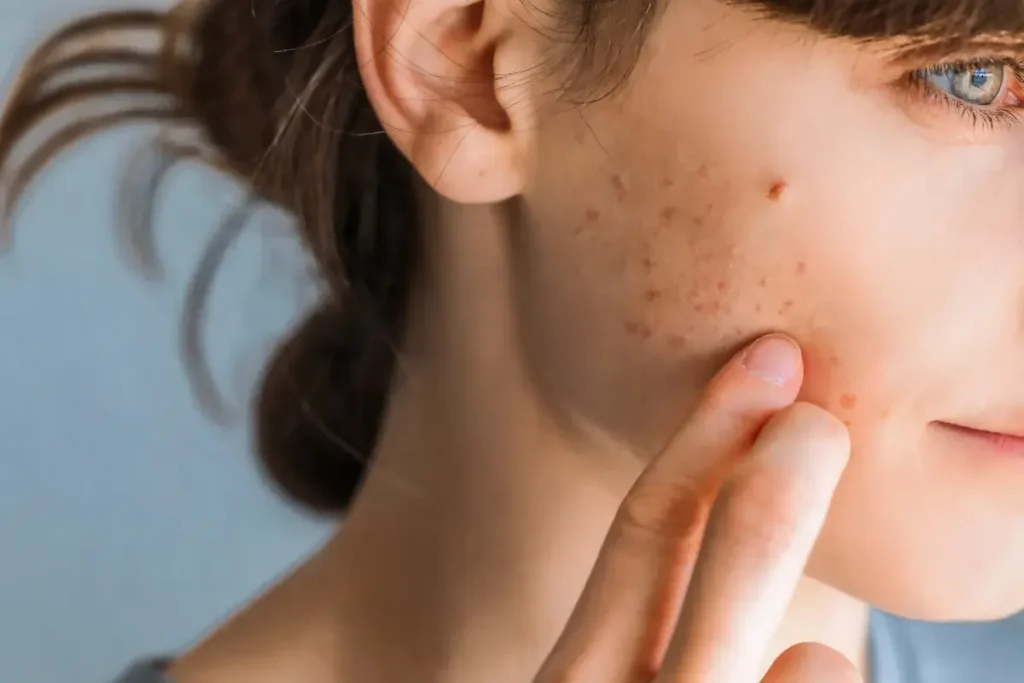
Acne scars can really affect a person’s self-confidence and overall happiness. With over 90% of people getting acne at some point, it’s important to know about these scars and how they can be treated.
The first step in dealing with acne scars is to understand what makes them appear. This includes how our skin heals and the severity of the acne. Some scars may fade on their own, but others can leave lasting marks on our skin.
Knowing if acne scars can fade away and what treatments are available is key to getting smooth, even-toned skin. This guide will look at how long it takes for acne scars to go away and the best treatments to help you choose the right skincare.
Belangrijkste opmerkingen
Acne scars affect a significant majority of individuals who experience acne.
The appearance of acne scars depends on several factors, including skin type and acne severity.
Not all acne scars are permanent; some may fade naturally over time.
Understanding the type of acne scar is important for finding the best treatment.
There are many evidence-based treatments available for acne scars.
Understanding Different Types of Acne Scars
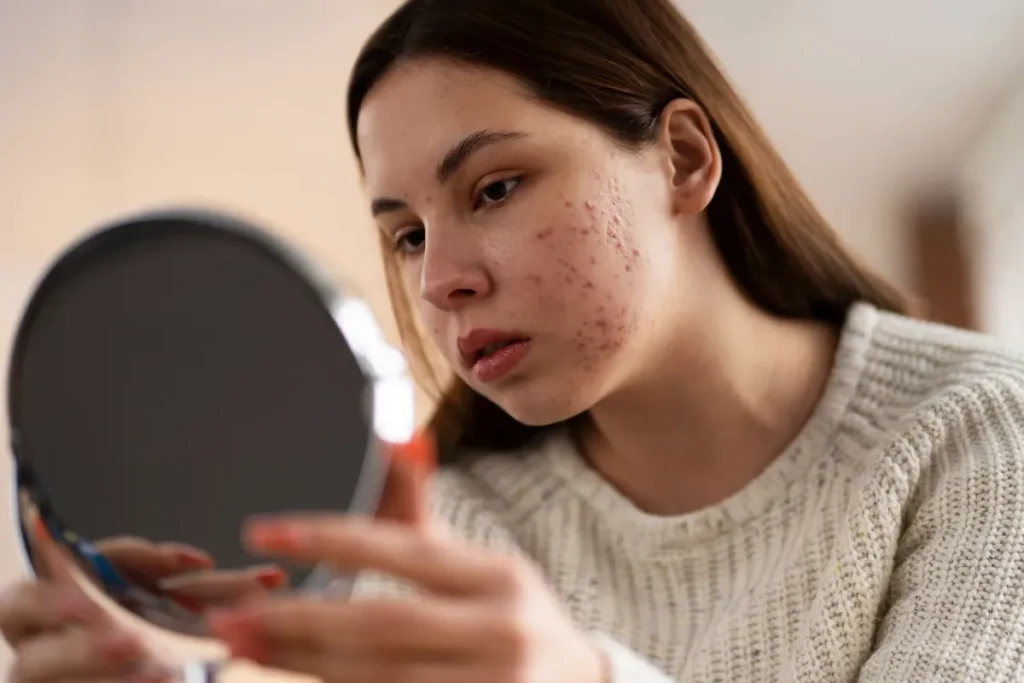
Learning how to treat acne scars begins with knowing their different forms. Acne scars are not all the same. Each type has its own look and treatment needs.
Acne scars can really affect a person’s skin and confidence. Knowing what kind of scar you have is the first step. This knowledge is key to finding the right treatment.
Post-Inflammatory Hyperpigmentation (PIH)
PIH shows up as dark spots after an acne spot heals. It’s more common in darker skin because of extra melanin. PIH is not a true scar but a sign of past inflammation.
Post-Inflammatory Erythema (PIE)
PIE looks like red or pink marks that stay after acne goes away. It’s about blood vessels near the skin’s surface reacting to inflammation.
Atrophic Scars (Icepick, Boxcar, and Rolling Scars)
Atrophic scars are sunken because of lost skin tissue. There are a few types:
Icepick Scars: These are narrow and deep, hard to treat.
Boxcar Scars: Wider, with clear edges.
Rolling Scars: Make the skin look wavy.
Hypertrophic and Keloid Scars
Hypertrophic and keloid scars are raised and firm. They happen when too much collagen is made during healing. Hypertrophic scars stay within the wound, while keloid scars grow bigger, needing stronger treatments.
Knowing the type of acne scar you have is the first step to treating it. By figuring out your scar’s details, you can find the best treatment. This leads to clearer, brighter skin.
How Long Does It Take for Pimple Marks to Fade?
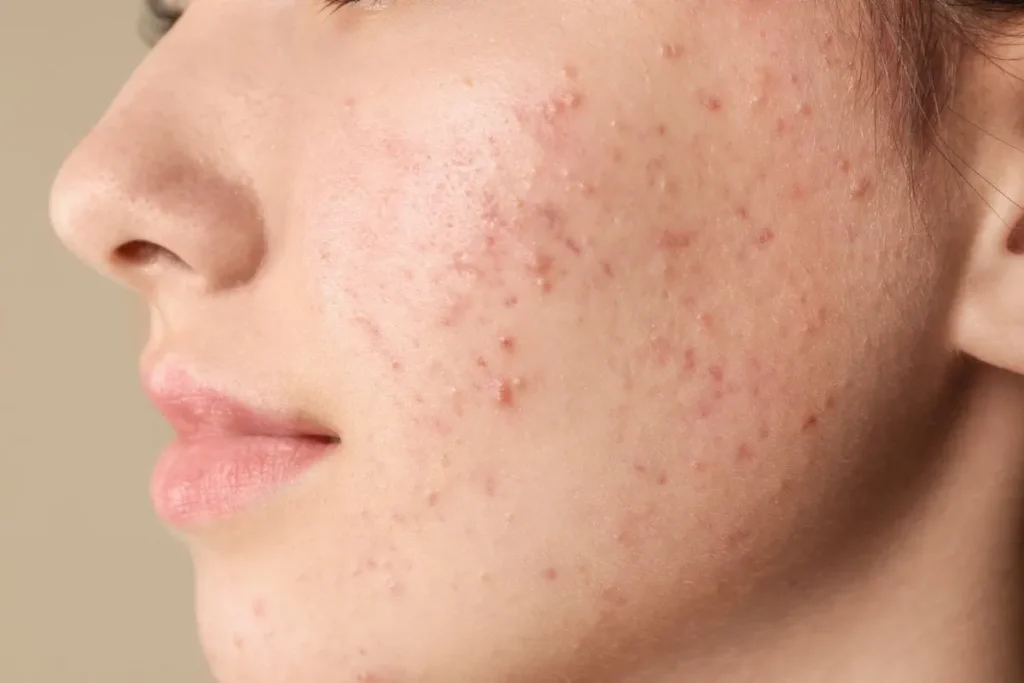
The time it takes for pimple marks to fade depends on several things. These include the type of scar, your skin, and your skincare routine. Knowing how long scars take to heal is key to having realistic hopes.
Natural Healing Timeline for Different Scar Types
The healing time for pimple marks varies a lot. Red or dark marks from PIH can fade in three to twenty-four months. About one-third of atrophic scars fade in six months. But, about half stay for two years.
Post-inflammatory hyperpigmentation (PIH) fades slower than other scars. The dark spots from PIH can take months to years to fade. Post-inflammatory erythema (PIE), which causes red marks, fades faster, usually in a few months.
Factors That Affect Healing Time
Several things can change how long it takes for pimple marks to fade. Skin type is a big factor, with darker skin taking longer to heal. Sun exposure also slows healing by making marks darker.
Your skincare routine is very important. Using products with retinoids, vitamin C, and niacinamide can help marks fade faster. Professional treatments like chemical peels or laser therapy can also make marks less noticeable.
By knowing these factors and the healing times for scars, you can have better hopes. You can also find the right treatments to get clearer, brighter skin.
Effective Treatment Options for Stubborn Acne Scars
Many people face the challenge of stubborn acne scars. These scars, like icepick or boxcar scars, often need professional help to look better.
Over-the-Counter Solutions
For mild acne scars, over-the-counter (OTC) products can be a good start. Ingredients like retinol, vitamin C, and salicylic acid help by making new skin and boosting collagen.
Retinol creams can make your skin smoother. Vitamin C serums can brighten your skin and lessen dark spots.
Professional Dermatological Procedures
For deeper scars, professional treatments can make a big difference. Options like Fraxel Dual Laser, VBeam Pulsed Dye Laser, and dermal fillers target different scar types.
Fraxel Dual Laser can smooth out fine lines and scars. VBeam Pulsed Dye Laser reduces redness in scars. Dermal fillers can make depressed scars less noticeable, making your skin look smoother.
Prevention Strategies
Stopping new breakouts and protecting your skin from the sun is key to avoiding new scars. Use a consistent skincare routine with sun protection and antioxidants to prevent damage.
Also, don’t pick or pop pimples to avoid scarring.
By using these treatments and prevention tips, you can lessen the look of stubborn acne scars. This will help you get a brighter and more even skin tone.
Conclusie
Acne scars can really hurt a person’s self-confidence and life quality. Knowing the different types of scars and the treatment options available is a big first step. This helps people work towards smoother, healthier-looking skin.
A good skincare routine is key to fighting acne scars. Using gentle cleansers, mild exfoliants, and SPF 30+ can lessen scar visibility. For tougher scars, treatments like microneedling, laser therapy, and dermal fillers can be very effective.
Being proactive and well-informed about skincare can help beat acne scars. With the right advice and treatments, saying goodbye to stubborn scars becomes possible. This leads to a brighter, more confident complexion.
FAQ
Do acne scars go away on their own?
Acne scars can fade, but it depends on the scar type and severity. It also depends on your skin. Some scars might go away quickly, while others can last longer.
How long does it take for pimple marks to fade?
How fast pimple marks fade varies. It depends on the scar type and your skin. Things like skin type and sun exposure play a role too.
Can acne scars be treated?
Yes, there are many ways to treat acne scars. You can try over-the-counter products or see a dermatologist for professional treatments.
What are the different types of acne scars?
Acne scars come in different forms. There’s Post-Inflammatory Hyperpigmentation (PIH), Post-Inflammatory Erythema (PIE), and atrophic scars like icepick, boxcar, and rolling scars. There are also hypertrophic and keloid scars.
How can I prevent new acne scars from forming?
To prevent new scars, keep your skincare routine consistent. Also, protect your skin from the sun. These steps help a lot.
Will my pimple scar go away with treatment?
Yes, the right treatment can make acne scars less noticeable. You can get smoother, more even-toned skin.
Are acne scars permanent?
Not all acne scars last forever. Some may fade on their own. Others might need treatment to look better.
How can I lighten acne scars?
To lighten acne scars, you can try over-the-counter products or see a dermatologist. They offer professional treatments that can improve your skin’s texture and color.
Can I get rid of red acne marks?
Yes, you can treat red acne marks, also known as Post-Inflammatory Erythema (PIE). There are professional treatments and skincare routines that can help reduce redness.
Referenties
Nationaal Centrum voor Biotechnologie-informatie. Evidence-Based Medisch Inzicht. Opgehaald van https://pmc.ncbi.nlm.nih.gov/articles/PMC5749614/[7