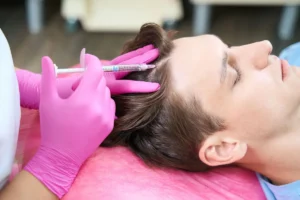
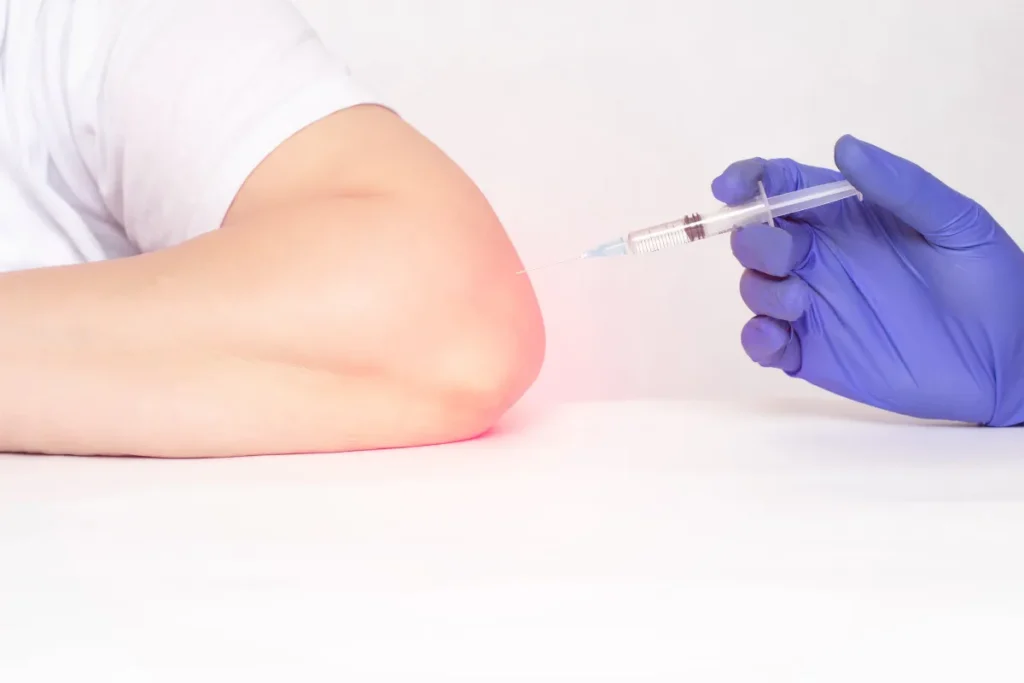
Cortisone injections are a common way to ease joint pain and swelling. They put corticosteroid medications right where they’re needed,how long for a cortisone injection to work helping to reduce inflammation and pain.
Op GoldCity Centrum, we help patients understand how cortisone injections work. We tell them what to expect and how long it might take to feel better. Most people start to feel relief in 24 to 72 hours.
It’s important for patients to know the good and the bad about cortisone injections. Our team is here to support you every step of the way. We want to make sure you get the best care possible.
Belangrijkste opmerkingen
Cortisone injections deliver corticosteroid medications directly to the affected area.
Initial relief from pain and inflammation typically occurs within 24 to 72 hours.
The effectiveness of cortisone injections varies among patients.
GoldCity Center provides extensive guidance and personalized care for patients undergoing cortisone injections.
Understanding the benefits and considerations of cortisone injections is key for making informed decisions.
What Are Cortisone Injections and Their Purpose
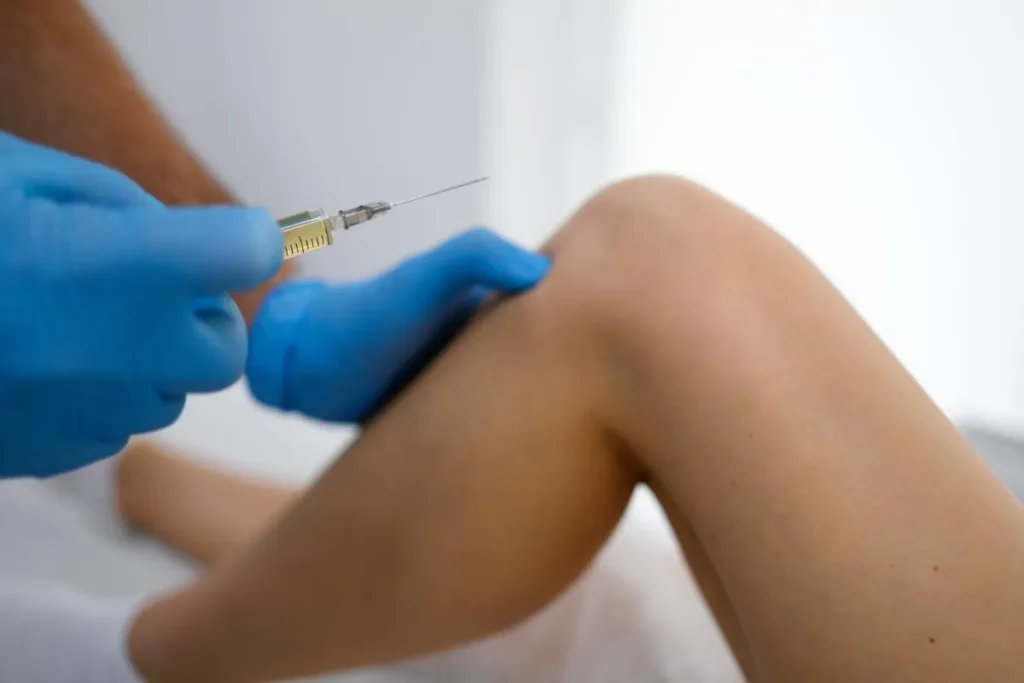
Cortisone injections are a common treatment for many muscle and nerve problems. They help reduce pain and swelling. These shots aim to directly address the source of discomfort, providing quick and effective relief.
Definition and Composition of Cortisone Shots
A cortisone shot is a steroid injection that mimics a hormone our bodies make. It usually contains triamcinolone or methylprednisolone, which fights inflammation well. To add to the relief, it’s mixed with a local anesthetic.
Common Conditions Treated with Cortisone
Cortisone injections help with several issues, including:
Herniated or bulging discs
Spinale stenose
Sciatica
Facet joint syndrome
Osteoarthritis
Rheumatoid arthritis
Bursitis
Tendinitis
Carpal tunnel syndrome
Rotator cuff injuries
These problems often cause pain and swelling. Cortisone shots directly tackle this inflammation.
How Cortisone Reduces Inflammation and Pain
Cortisone reduces the immune system’s inflammation response. When injected, it cuts down on inflammatory chemicals. This results in less swelling, pain, and redness, easing the patient’s discomfort. Its action makes it a key treatment for inflammation.
How Long For a Cortisone Injection to Work
Knowing how long a cortisone injection takes to work is key. Most people feel relief in 24 to 72 hours. Studies show 60.4% of patients feel better in 3 days and 93.7% in a week.
Initial Effects (24-72 Hours)
The first signs of a cortisone injection’s effect are seen in the first few days. You might notice less pain and swelling, making daily tasks easier. This is a good sign that the shot is doing its job.
When Does Cortisone Shot Kick In (One Week Timeline)
While you might feel better in 24-72 hours, the full effect takes a week. By the end of the week, most people feel a lot better and can go back to their usual activities.
Full Therapeutic Benefits (Up to Six Weeks)
The full benefits of a cortisone injection can take up to six weeks. During this time, the steroid keeps reducing inflammation, helping with healing and pain relief. It’s important to be patient and let the treatment take its time.
Duration of Pain Relief (Six Weeks to Six Months)
The length of time pain relief lasts after a cortisone injection varies. Some people feel better for six weeks to six months. The severity of the condition, where the injection was given, and individual factors can affect how long relief lasts.
In summary, the effects of a cortisone injection build up over time. You’ll feel better in days, see big improvements in a week, and get the full benefits in up to six weeks. Knowing this helps patients plan and make the best choices for their treatment.
Factors Affecting Cortisone Shot Effectiveness
It’s important to know what affects how well cortisone shots work. These shots are used to treat many inflammatory conditions. But, how well they work can change a lot based on different factors.
Injection Location and Joint Size
Where and how big the joint is can really affect how well the shot works. Shots in bigger joints like the knee or shoulder often work faster and last longer. This is because these joints can handle more of the medicine, leading to better results.
Severity and Type of Condition
The type and how bad the condition is also matters a lot. People with long-term conditions or serious joint damage might not get relief for as long. For example, shots can really help with sudden injuries. But, they might not work as well for long-term problems like osteoarthritis.
Individual Patient Factors
Things like your health, lifestyle, and how you react to the medicine also play a big role. For example, people with diabetes or on certain meds might have different results. Even things like drinking alcohol can affect how well the shot works. While a little alcohol is okay, too much can mess with the shot’s effectiveness.
Steroid Shots for Specific Conditions
Cortisone shots are good for many conditions, but they work differently for each one. They’re very good for things like tendinitis or bursitis. Knowing what condition you have and how it might react to the shot is key to getting the best results.
Healthcare providers can make cortisone shots work better by considering these factors. This way, they can tailor the treatment to each patient’s needs, making it more effective.
Conclusie
Cortisone injections are a helpful treatment for many muscle and nerve problems. They give patients a lot of pain relief. The shot’s success and how long it lasts depend on where it’s given, how bad the problem is, and the person getting the shot.
Right after getting a shot, people might start feeling better in 24-72 hours. But it can take up to six weeks to feel the full effect. The pain relief can last from six weeks to six months. Knowing how long it takes to work helps set realistic hopes and make better treatment choices.
It’s also important to think about lifestyle changes, like drinking alcohol after a shot. Even though the main goal is to help with pain, knowing about possible side effects and aftercare can make the treatment even better.
In short, cortisone shots are a good way to manage pain, with a clear timeline for when they work best. By understanding what affects how well the shot works, patients can make better choices and get the best results.
FAQ
How long does a cortisone shot take to work?
You can see the effects of a cortisone shot in 24-72 hours. It takes up to six weeks for the full benefits.
Can you drink alcohol after a cortisone shot?
There’s no strict rule, but it’s best to limit or avoid alcohol. It might reduce the shot’s effectiveness.
What will a cortisone shot do?
A cortisone shot reduces inflammation and pain. It’s used for conditions like arthritis, tendinitis, or bursitis.
How long does it take for a steroid shot to work for flu symptoms?
Steroid shots aren’t for flu symptoms. They’re for inflammatory conditions, not viral infections like the flu.
How long does a steroid shot take to work?
You’ll see the effects in 24-72 hours. The full benefits take up to six weeks.
Can you drink on steroid shot?
It’s best to limit or avoid alcohol after a steroid shot. It might lessen the treatment’s effect.
How long until cortisone injection works?
You’ll see the effects of a cortisone injection in 24-72 hours.
Can you drink alcohol after a cortisone injection?
There’s no strict rule, but it’s best to limit or avoid alcohol. It might reduce the shot’s effectiveness.
How long for cortisone injection to take effect?
The effects of a cortisone injection are seen in 24-72 hours. The full benefits take up to six weeks.
Referenties
Nationaal Centrum voor Biotechnologie-informatie. Evidence-Based Medisch Inzicht. Opgehaald van https://pubmed.ncbi.nlm.nih.gov/14922717/