If you’ve ever felt sore muscles after a tough workout, you’re not alone. Delayed onset muscle soreness hits both casual gym-goers and top athletes around the world.
GoldCity Center is all about giving you the latest medical advice. They focus on helping you understand how to recover from muscle soreness with the best science.
Learn about the 7 top ways to get rid of muscle pain and get back to your routine in no time.
Belangrijkste opmerkingen
Effective recovery methods can reduce muscle soreness
Active recovery and massage are proven to alleviate soreness
Cold water immersion and compression garments aid in recovery
GoldCity Center provides evidence-based medical guidance
Understanding muscle recovery strategies is key for fitness lovers
Understanding Muscle Soreness
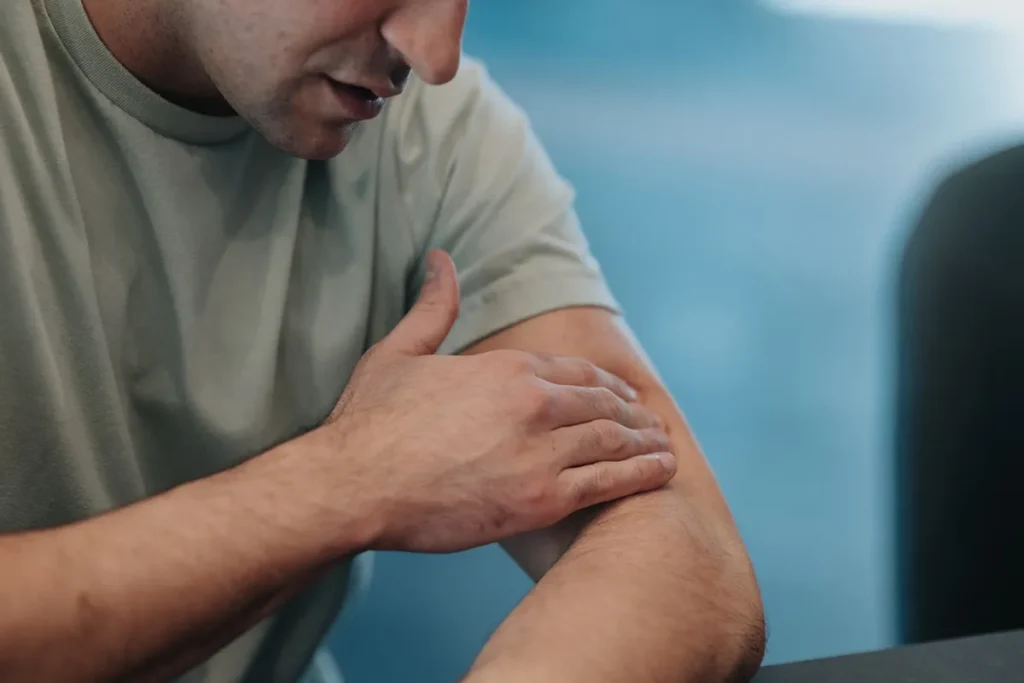
Muscle soreness after exercise is common, often seen after hard or new workouts. This is called delayed onset muscle soreness (DOMS). It can make everyday tasks hard.
What is DOMS and Why Does it Happen?
DOMS is muscle stiffness and pain that starts after exercise. It’s more common with activities that use eccentric contractions, like downhill walking or lowering weights. Eccentric exercises are more likely to cause DOMS because they damage muscle fibers. This damage leads to inflammation, causing pain and stiffness.
The Timeline of Muscle Soreness
DOMS usually starts 12 to 24 hours after working out, peaks between 24 to 72 hours, and goes away in 7 days. Knowing this timeline helps manage recovery plans. Here’s how DOMS usually progresses:
0-12 hours: Little soreness, with some muscle fatigue.
12-24 hours: Soreness starts to grow, getting more intense.
24-72 hours: The soreness is at its worst, with the most pain and stiffness.
3-7 days: Soreness starts to lessen as the body heals.
How to Heal Sore Muscles: 7 Research-Backed Recovery Techniques
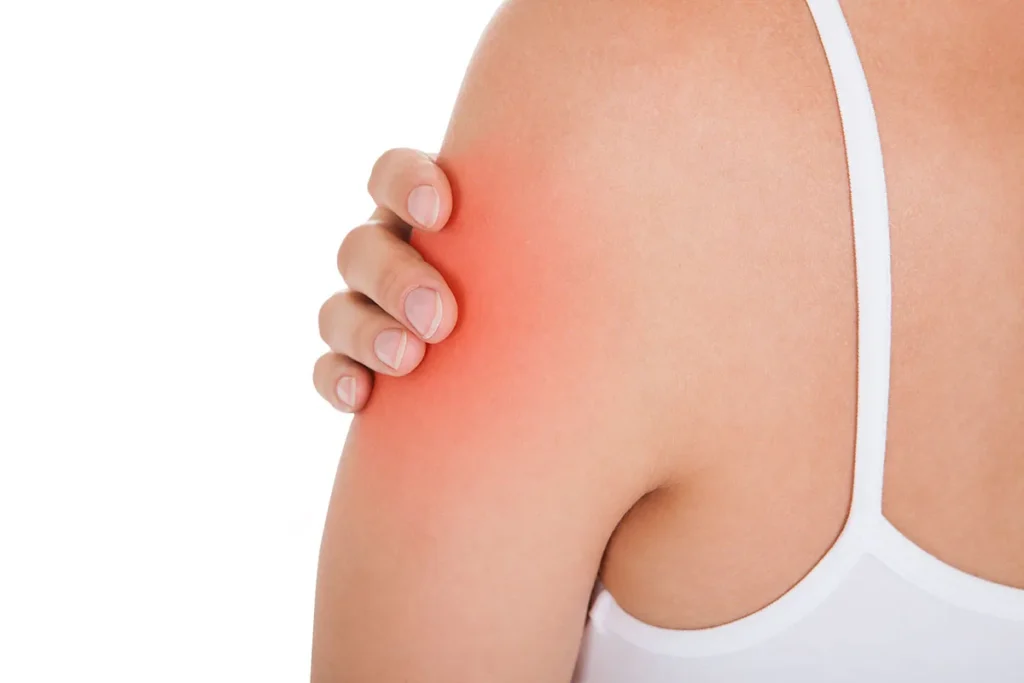
Muscle soreness can really hurt. But, there are ways to make it better. Knowing the best methods is key. Here are some techniques backed by research to help you feel better.
1. Active Recovery: Low-Intensity Movement
Active recovery means doing light exercises to help your body heal. You can try jogging, cycling, or yoga. These activities improve blood flow and help get rid of waste.
2. Massage Therapy: The Most Effective Method
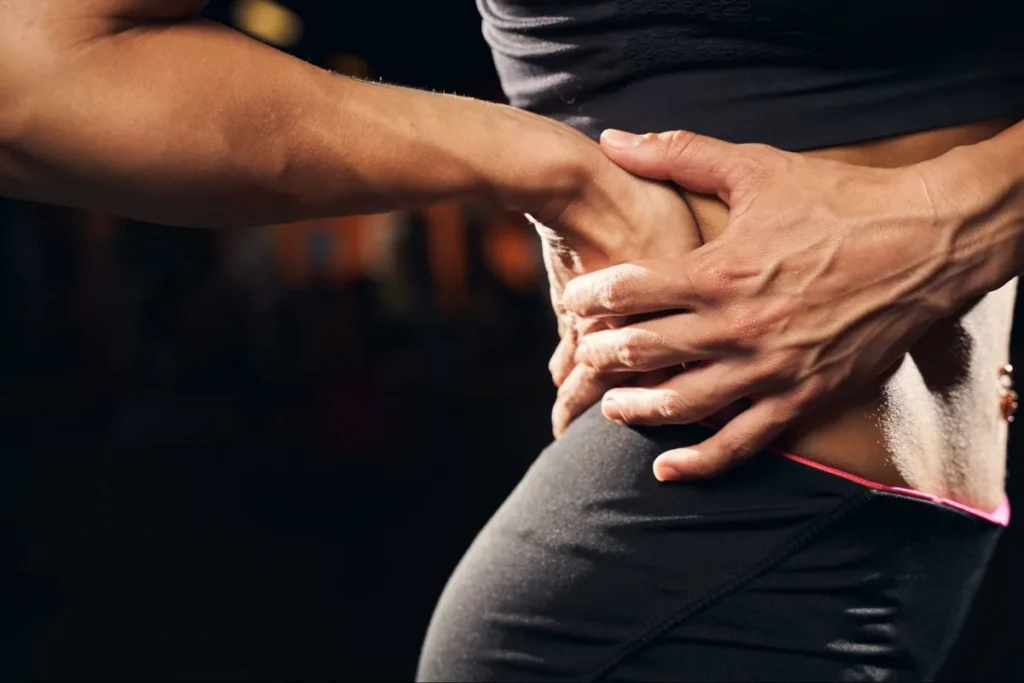
Massage therapy is a top choice for easing muscle soreness. It boosts blood flow, reduces swelling, and relaxes muscles. Studies prove it’s a big help in muscle recovery.
3. Compression Garments: Support and Blood Flow
Compression garments offer muscle support and better blood flow. They apply pressure to help circulation and cut down swelling. Wearing them can speed up recovery.
4. Cold Water Immersion: Reducing Inflammation by 37.5%
Cold water immersion helps by making blood vessels smaller and slowing down muscle activity. It can cut inflammation by up to 37.5%, helping you recover faster.
Knowing how to recover from muscle soreness is important. Using active recovery, massage therapy, compression garments, and cold water immersion can make a big difference. They help reduce soreness and improve how well you perform.
Active recovery promotes blood flow and reduces muscle soreness.
Massage therapy is highly effective in reducing muscle soreness.
Compression garments enhance blood flow and provide muscle support.
Cold water immersion reduces inflammation and aids in recovery.
By using these methods, you can make a recovery plan that works for you. This can lead to better performance and less muscle soreness.
Conclusion: Creating Your Personalized Muscle Recovery Plan
By using the 7 research-backed recovery techniques, you can make a muscle recovery plan that fits you. This plan helps prevent sore muscles after working out or cure muscle pain. It’s all about creating a plan that works for you.
Start by mixing active recovery, massage therapy, and wearing compression clothes. These help improve blood flow and lessen muscle soreness. Adding cold water immersion and other methods can speed up your recovery. Knowing how to handle sore muscles is the first step to a healthier body.
Your recovery plan should be all about you. It should meet your specific needs and goals. Taking charge of your recovery can lead to amazing results and a healthier you.
FAQ
Waarom doet mijn lichaam pijn na het sporten?
Muscle soreness, or DOMS, happens when you do new or hard exercises. It causes tiny muscle tears. This leads to inflammation and repair, making you sore.
Hoe kan ik pijn door het sporten verlichten?
Use active recovery like light cardio, stretching, or foam rolling. These help with blood flow and removing waste. Massage, compression clothes, or cold baths can also help reduce soreness.
Waarom doen mijn benen pijn na een training?
DOMS in your legs comes from high-impact exercises like running or squats. These exercises stress your muscles, causing tears, inflammation, and soreness.
Wat kan ik doen om mijn pijnlijke spieren te verhelpen?
Try active recovery, compression clothes, cold baths, or massages. Topical creams with arnica or capsaicin can also ease pain.
Hoe kan ik spierpijn na een training voorkomen?
Slowly increase exercise intensity and warm up and cool down properly. Stay hydrated and use recovery methods like foam rolling.
Wat is de beste manier om spierpijn na het sporten te genezen?
No single cure exists, but combining recovery methods helps. Active recovery, massage, and compression can ease soreness. Listen to your body and rest enough.
How long does muscle soreness last after a workout?
Soreness peaks in 24-48 hours and can last days. It depends on exercise intensity, novelty, fitness level, and recovery methods.
Referenties
Nationaal Centrum voor Biotechnologie-informatie. Evidence-Based Medisch Inzicht. Opgehaald van https://pubmed.ncbi.nlm.nih.gov/12617692/