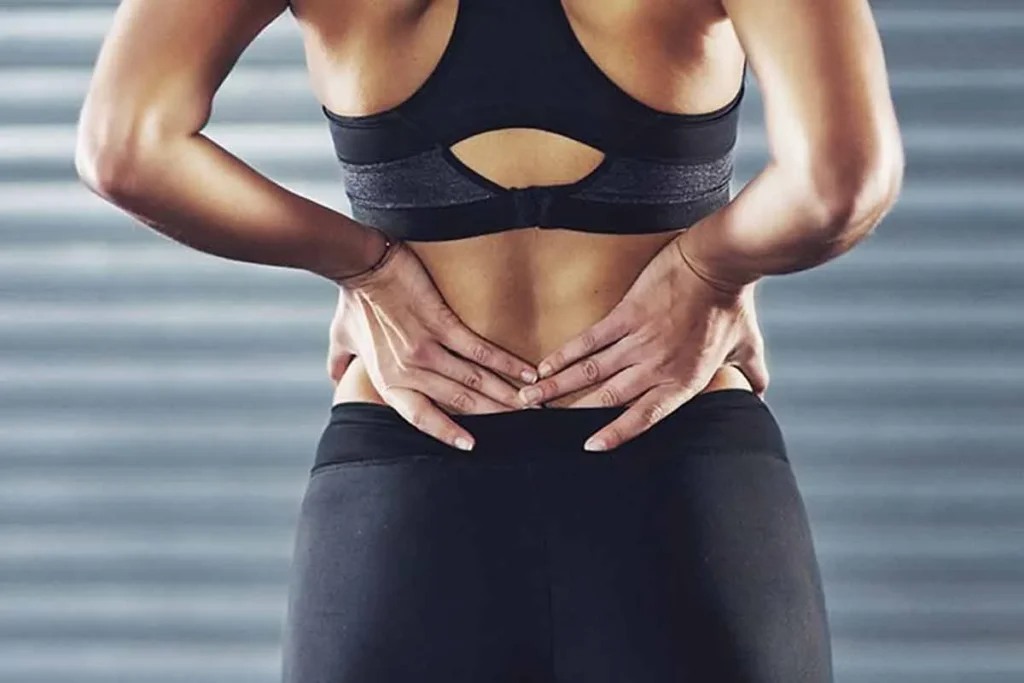
Feeling sore after a workout is common for those who exercise regularly. This pain, known as Delayed Onset Muscle Soreness (DOMS), can really slow you down. Medical Expert, “Good intentions can quickly die in the face of muscle soreness.”
DOMS usually shows up 12 to 24 hours after you’ve worked out. It gets worse between 24 to 72 hours. Knowing why you’re sore helps you keep exercising without pain.
Belangrijkste opmerkingen
DOMS is a common phenomenon after unaccustomed or high-intensity exercise.
Muscle soreness typically peaks between 24 to 72 hours after exercise.
Understanding the causes of DOMS is key to keeping up with your workout routine.
Good recovery strategies can help you manage pain and keep going.
Muscle soreness means your muscles are getting stronger.
Understanding Muscle Soreness
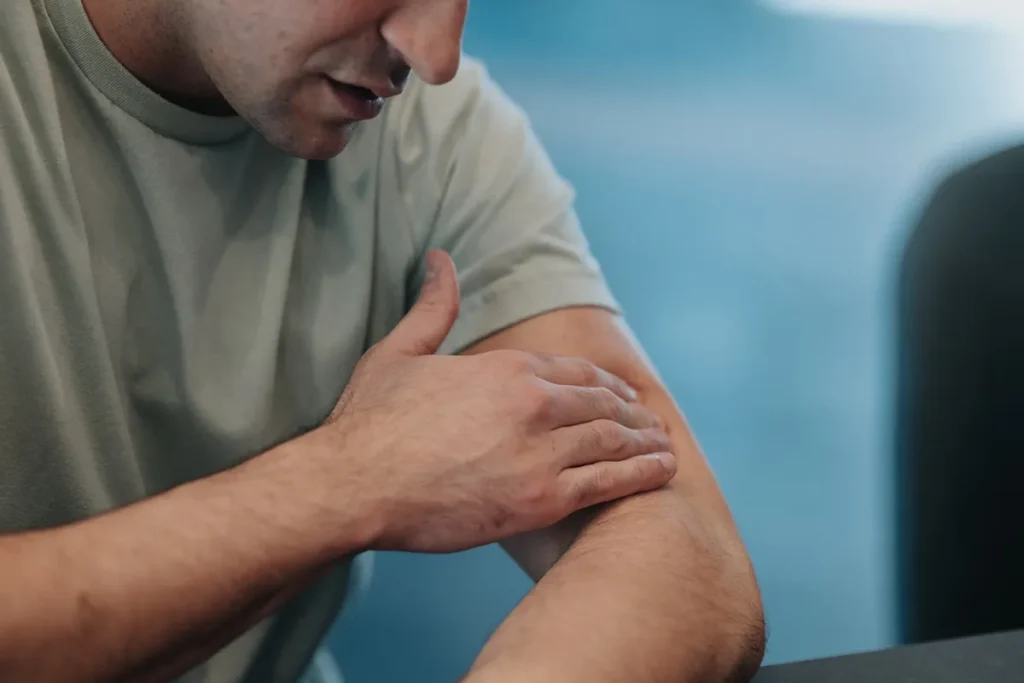
Feeling sore after a workout can be tough. But knowing why it happens can help you deal with it better. Muscle soreness, like Delayed Onset Muscle Soreness (DOMS), often occurs after hard or new exercises.
What is Delayed Onset Muscle Soreness (DOMS)?
DOMS makes muscles stiff and painful, usually within 48 to 72 hours after working out. It happens because of tiny tears in muscle fibers and surrounding tissues. This damage starts the body’s healing process, causing inflammation.
Why Your Muscles Get Sore: The Science Explained
Studies show that intense exercise causes tiny tears in muscle fibers. This damage leads to inflammation, which is why you feel sore after exercising. Knowing this can help you find ways to lessen DOMS and recover faster.
Understanding muscle soreness lets you take steps to reduce its effects. This way, you can make your workouts better.
Effective Methods on How to Help Sore Muscles
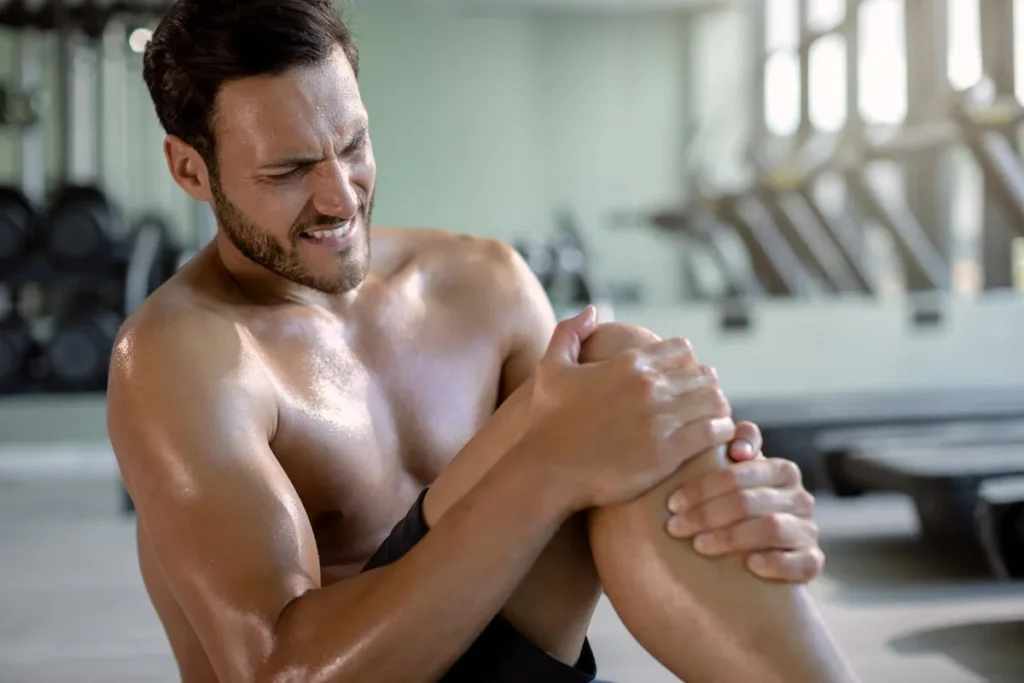
Knowing how to ease sore muscles is key for those who work out often. Muscle soreness, or DOMS, can really slow you down. It makes it hard to keep up with your workout schedule.
Massage Therapy: The Most Effective Recovery Method
Studies show that massage therapy is the top way to recover. It cuts down soreness and fatigue a lot. Adding massage to your routine after working out helps ease muscle tension and speeds up healing.
Compression Garments and Their Benefits
Compression clothes are made to boost blood flow and lessen swelling. Wearing them can lessen muscle soreness and aid in recovery.
Hydrotherapy: Cold, Hot, and Contrast Baths
Hydrotherapy, like cold, hot, and contrast baths, is also great for easing sore muscles.
Contrast baths are special because they help a lot with DOMS.
Active Recovery and Gentle Movement Strategies
Active recovery and gentle exercises are also important. A good cool-down, stretching, foam rolling, and a protein snack after working out can help. These steps ease soreness and support healing.
Using these methods can really help reduce soreness and make your workouts better.
Preventing Future Muscle Soreness
To avoid muscle soreness after working out, start slowly. Medical Expert. This helps your muscles get used to the exercise, making soreness less likely.
Using recovery techniques like massage, compression, and hydrotherapy can also help. Adding these to your routine can reduce soreness. This way, you can keep exercising without feeling too sore.
By exercising gradually and using recovery methods, you can avoid sore muscles. This approach helps you stay healthy and fit. Start your fitness journey today and see how it changes you.
FAQ
Why is my body sore after working out?
Your body gets sore after working out because of muscle fiber tears. This leads to inflammation and pain, known as Delayed Onset Muscle Soreness (DOMS).
How to alleviate soreness from working out?
To ease soreness, try massage therapy, compression garments, and hydrotherapy. Active recovery techniques also help reduce inflammation and aid in recovery.
Why do my legs hurt after a workout?
Your legs hurt after a workout because of muscle damage. This damage causes DOMS, mainly in the legs. They carry a lot of the body’s weight and stress.
What can I do to help my sore muscles?
To ease sore muscles, try gentle stretching, foam rolling, or self-myofascial release. These methods reduce muscle tension and improve blood flow.
How to ease soreness after exercise?
To ease soreness, use hydrotherapy like cold or hot baths. Contrast baths also help reduce inflammation and promote recovery.
What to do when sore from working out?
When sore, try active recovery like light cardio, yoga, or gentle stretching. These activities promote blood flow and help remove waste products that cause soreness.
How to prevent sore muscles after a workout?
To prevent sore muscles, gradually increase exercise intensity and use recovery techniques. A balanced fitness routine with cardio, strength training, and flexibility exercises also helps.
How to cure muscle pain after exercise?
It’s hard to completely cure muscle pain, but you can alleviate it. Use recovery techniques like massage, compression garments, and hydrotherapy. Gentle movement and stretching also help.
What to do for sore muscles after exercising?
For sore muscles, try topical creams or ointments with arnica or capsaicin. They reduce pain and inflammation. Use a foam roller or massage ball to release muscle tension.
How to not get sore after a workout?
To avoid soreness, start with lower intensity exercises and gradually increase. Use recovery techniques and warm up and cool down properly before and after workouts.
Referenties
Nationaal Centrum voor Biotechnologie-informatie. Evidence-Based Medisch Inzicht. Opgehaald van https://pubmed.ncbi.nlm.nih.gov/12617692/