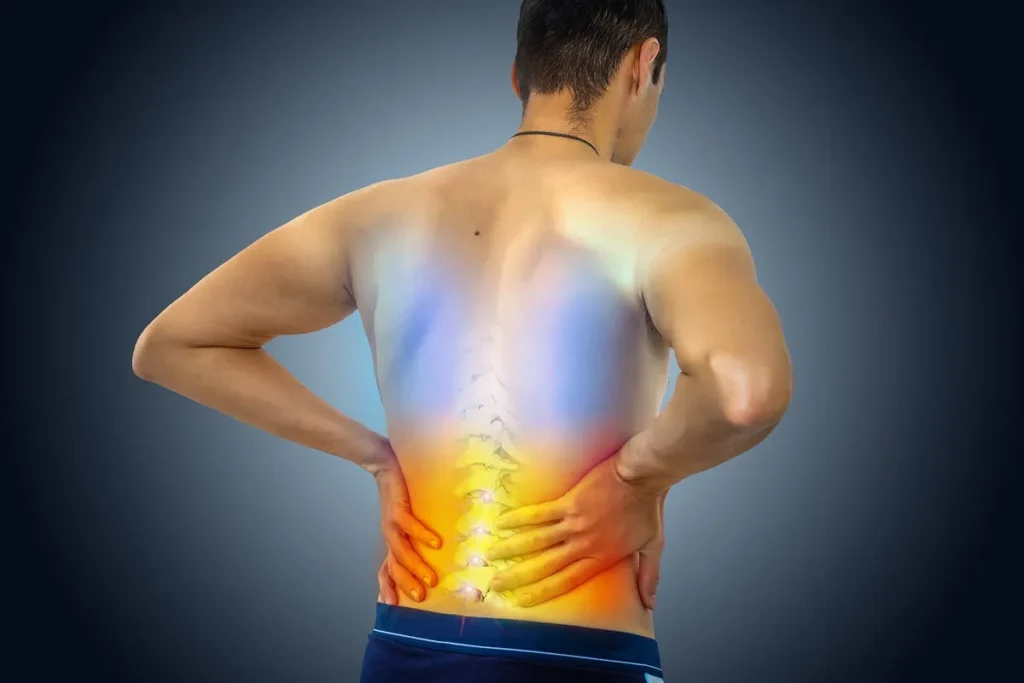
Back muscle spasms are sudden, involuntary contractions. They can cause discomfort from mild twitches to severe pain. About 80% of people deal with lower back pain at some point, affecting their daily lives and well-being.
How to stop muscle spasms in back quickly. Discover powerful, proven treatments and expert tips to end your painful back spasms today.
It’s important to understand the causes and effective treatments for back spasms. By learning about the types of spasms, their causes, and proven treatments, you can manage your health. This helps reduce the discomfort from these involuntary contractions.
Belangrijkste opmerkingen
Prevalence of back muscle spasms and their impact on daily life
Understanding the causes of back spasms is key for effective management
Exploring proven treatment methods for alleviating back spasms
The importance of taking control of one’s health in managing back spasms
Available treatment options for back spasm relief
Understanding Back Muscle Spasms

Back muscle spasms can be very painful and limit your daily activities. They can affect the lower, middle, and upper back. This can really impact your quality of life.
Types of Back Spasms: Lower, Middle, and Upper Back
Back spasms can happen in different parts of the back. Each area has its own causes and symptoms.
Lower Back Spasms: These are very common. They often come from muscle strain or too much use, like from heavy lifting or sitting a lot.
Middle Back Spasms: These are less common. They might be caused by bad posture, muscle strain, or conditions like scoliosis.
Upper Back Spasms: These are often linked to muscle tension. This can be from stress or sleeping in a bad position.
Common Causes and Risk Factors
Many things can lead to back muscle spasms. Knowing what they are can help prevent and treat them.
A medical expert says,
Knowing about the types and causes of back muscle spasms is the first step to treating and preventing them.
5 Proven Treatments for How to Stop Muscle Spasms in Back
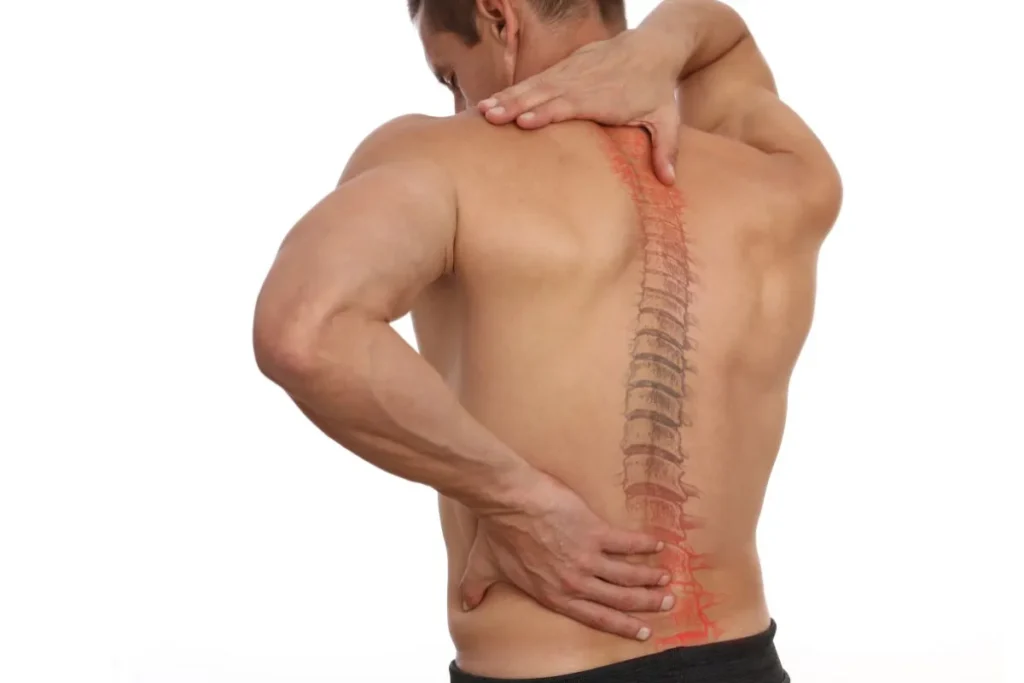
Muscle spasms in the back can be very painful. But, there are many ways to stop them and prevent them from happening again. Knowing these treatments is key to managing and relieving the pain.
Rest and Strategic Heat/Cold Therapy
Resting your back and using heat or cold can really help. Rest lets your muscles heal. Heat therapy relaxes muscles and boosts blood flow. Cold therapy cuts down inflammation and dulls the pain.
Apply heat for 15-20 minutes with a warm bath or heating pad.
Use cold packs for 10-15 minutes to lessen inflammation.
Targeted Stretching and Gentle Exercises
Gentle stretching and exercises can make your back muscles stronger and more flexible. This can help prevent spasms. Start with easy movements and slowly get more intense.
Start with simple stretches like knee to chest or pelvic tilts.
Slowly add exercises that build up the core and back muscles.
Medication Options for Pain and Inflammation
For some, medicine is needed to handle pain and swelling from back spasms. Over-the-counter pain relievers and muscle relaxants can work well. But, always talk to a doctor first.
Proper Hydration and Electrolyte Management
Keeping hydrated and balanced electrolytes is important for muscle health. Dehydration can cause muscle cramps and spasms. Drinking lots of water and eating foods or taking supplements rich in electrolytes can help stop spasms.
Drink at least 8-10 glasses of water a day.
Eat foods high in electrolytes like bananas (potassium) and nuts (magnesium).
By using these treatments, you can manage back muscle spasms and lower their chances. It’s about finding what works for you and staying proactive about your back health.
Conclusion: When to Seek Medical Help and Prevention Strategies
Knowing when to get medical help for back spasms is key. Many cases can be handled with self-care and treatments like rest and stretching. But, if spasms don’t get better or get worse, you should see a doctor.
Preventing back spasms is also important. Regular exercise, good posture, and staying hydrated are essential. These habits can help prevent spasms and keep your back healthy. By following these tips and getting the right treatment, you can feel better and live a healthier life.
If you have ongoing or severe back spasms, finding the best treatment is critical. This might include medication, physical therapy, and changes in your lifestyle. Taking steps to manage and prevent spasms can help you live a more active and pain-free life.
FAQ
What are back muscle spasms and how common are they?
Back muscle spasms are sudden, involuntary muscle contractions in the back. They cause pain and stiffness. Anyone can get them, no matter their age or fitness level.
What are the different types of back spasms?
There are three main types of back spasms. They are lower, middle, and upper back spasms. Each has its own causes and characteristics.
What causes back muscle spasms?
Several things can cause back muscle spasms. Muscle strain, poor posture, dehydration, and medical conditions are common causes.
How can I treat back muscle spasms at home?
To treat back muscle spasms at home, rest and use heat or cold therapy. Stretching and gentle exercises also help. Medication for pain and inflammation is an option. Drinking plenty of water and managing electrolytes is important too.
What is the best way to relieve back spasms?
Rest, heat or cold therapy, and gentle stretching can help relieve back spasms. Sometimes, medication is needed to manage pain and inflammation.
How can I prevent back muscle spasms?
To prevent back muscle spasms, maintain good posture and stay hydrated. Regular exercise and managing medical conditions also help.
When should I seek medical help for back spasms?
Seek medical help if your back spasms are severe, persistent, or with numbness, tingling, or weakness in the legs.
Can dehydration cause back muscle spasms?
Yes, dehydration can cause back muscle spasms. It disrupts the body’s electrolyte balance, leading to muscle contractions.
How do I know if my back spasms are related to an underlying medical condition?
If you have recurring or severe back spasms, see a healthcare professional. They can check for underlying medical conditions that may be causing your symptoms.
Referenties
Nationaal Centrum voor Biotechnologie-informatie. Evidence-Based Medisch Inzicht. Opgehaald van https://pmc.ncbi.nlm.nih.gov/articles/PMC6464310/