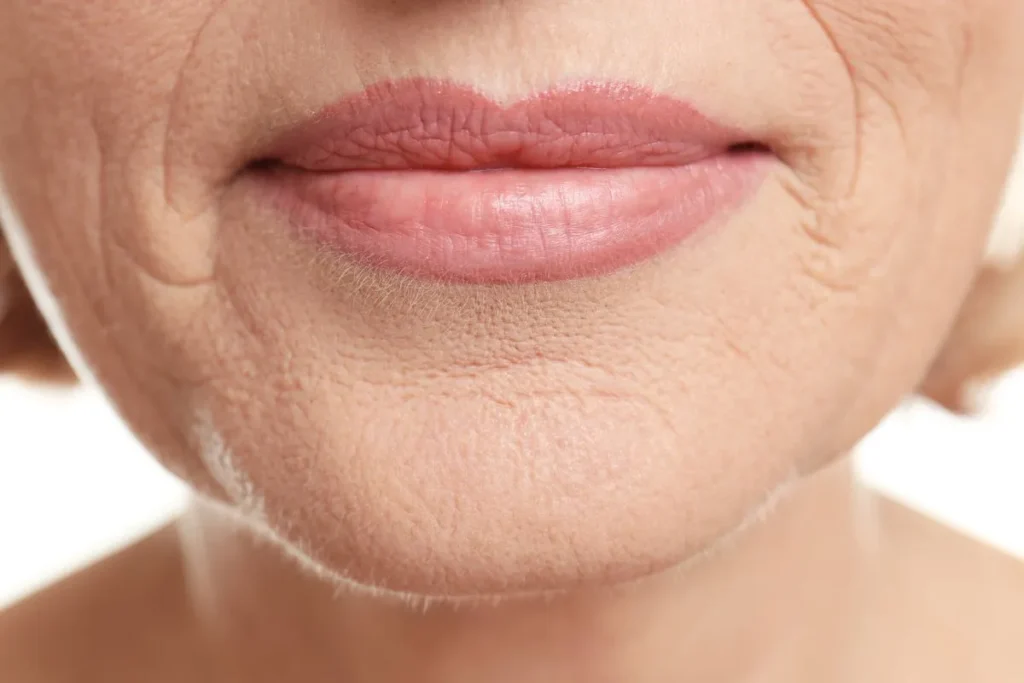
Lip fillers are a popular choice for fuller lips. But, it’s important to know how to spot and treat allergic reactions. This is key for safety and happiness.
True allergic reactions are rare. But, they can cause mild swelling or serious reactions. It’s vital to act fast and get the right help.
Knowing the risks and signs of an allergic reaction to lip fillers is important. This way, you can stay safe and have a good outcome.
Belangrijkste opmerkingen
Allergic reactions to lip fillers, though rare, can occur and range from mild to severe.
Early recognition of symptoms is key for managing them well.
Getting the right medical help is essential for treating allergic reactions.
Knowing the risks helps you avoid them.
Being aware of allergic reaction signs makes the procedure safer.
Understanding Reaction to Lip Fillers
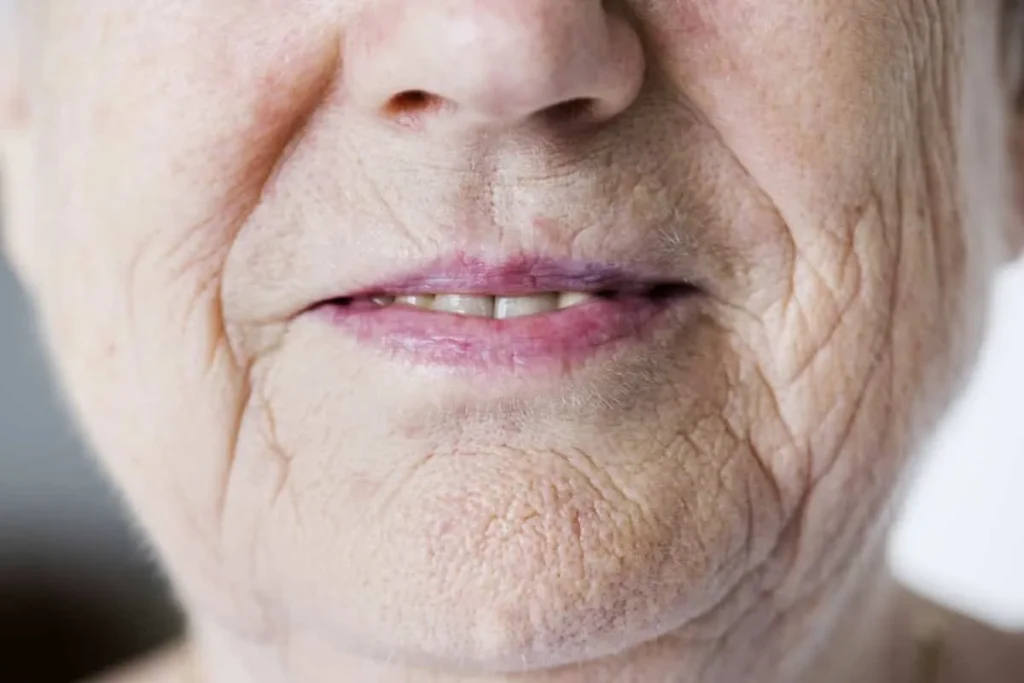
It’s important to know about possible reactions to lip fillers before getting them. Lip fillers are used to make lips look fuller. They can cause reactions, ranging from mild to severe. These reactions depend on the filler’s makeup and how sensitive you are.
Common Filler Components and Allergens
Lip fillers are made from different materials, each with its own allergens. Hyaluronic acid, found naturally in our bodies, is often used. It’s usually safe but can cause immune reactions in some. Lidocaine, a painkiller, might cause hives and swelling in others.
Other allergens include preservatives and stabilizers. These additives can also cause reactions, but they’re rare.
Immediate vs. Delayed Hypersensitivity Reactions
Hypersensitivity reactions to lip fillers can be immediate or delayed. Immediate reactions happen right after the procedure. They might include redness, swelling, and itching. These are usually mild and go away on their own or with simple treatment.
Delayed hypersensitivity reactions can happen days or weeks later. They might include ongoing swelling, granuloma formation, and other inflammatory signs. These reactions are less common but harder to manage.
– Expert in Cosmetic Dermatology
Risk Factors and Triggers
Several factors can raise the risk of an allergic reaction to lip fillers. These include a history of allergies, past bad reactions to cosmetic treatments, and certain medical conditions. Knowing these risk factors helps lower the chance of a bad reaction.
History of allergies
Previous adverse reactions to cosmetic procedures
Presence of certain medical conditions
Being aware of these factors and talking to a healthcare professional can help you make a smart choice about lip fillers.
Identifying Symptoms of Allergic Reactions
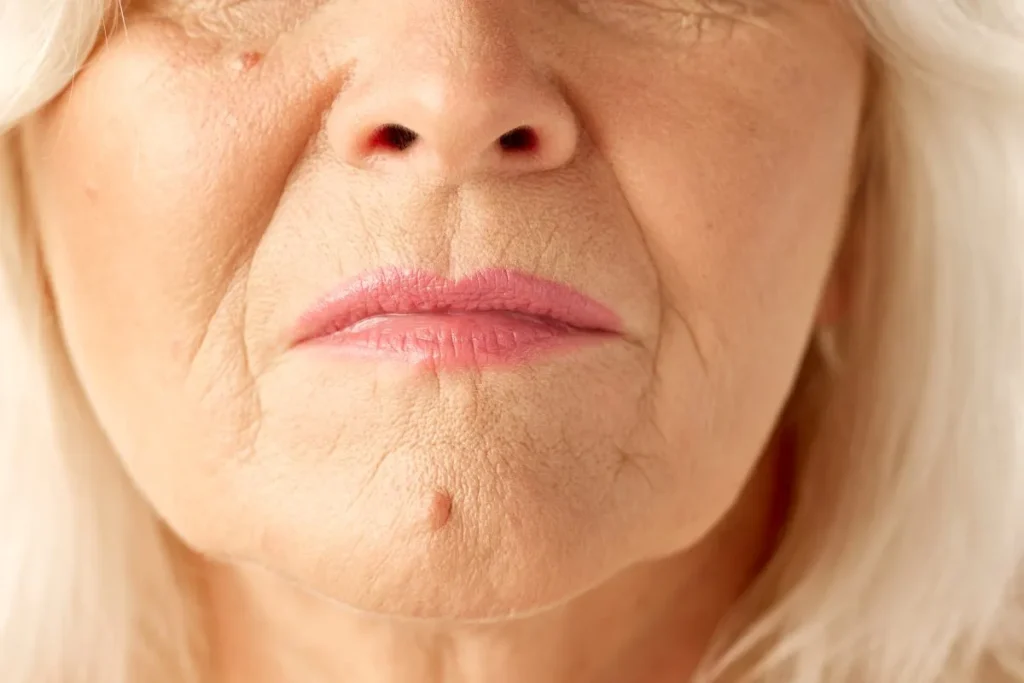
It’s important to know the signs of an allergic reaction to lip fillers. This knowledge helps you act fast and avoid serious problems. Reactions can happen right away or take time to show up, so watch your lips closely after getting the treatment.
Mild to Moderate Reaction Signs
Mild to moderate allergic reactions show up in different ways. You might notice:
Redness and swelling around your lips, which can be uncomfortable but usually isn’t serious.
An itching or stinging feeling, which might be temporary but can be annoying.
Nodules or lumps under your skin, feeling like small, hard spots.
Bruises spreading beyond the lip filler area.
These signs are often manageable and might go away on their own or with a little treatment.
Severe Allergic Response Symptoms
Though rare, severe allergic reactions to lip fillers can be deadly. Look out for:
Anaphylaxis, a severe, whole-body reaction that needs immediate medical help.
Severe pain that doesn’t get better with usual pain relief.
Skin discoloration, which could mean tissue damage or necrosis.
Lip asymmetry, where your lips become uneven due to the reaction.
If you see any of these signs, act fast and get emergency medical help.
When to Seek Emergency Medical Care
If you have symptoms of a severe allergic reaction, like trouble breathing, a fast heartbeat, or a big drop in blood pressure, get emergency care right away. Even if you’re not sure if your symptoms are serious, it’s safer to check with a doctor.
Your safety is the most important thing, and taking care of your health can greatly improve your outcome.
Treatment Methods for Lip Filler Allergies
Dealing with allergic reactions to lip fillers starts with knowing how severe the reaction is. Then, picking the right treatment is key. Reactions can be mild or severe, and knowing how to handle them is important.
Home Remedies for Mild Reactions
For mild reactions, home remedies can help. A cold compress can lessen swelling. It’s also good to avoid touching or massaging the lips to prevent making the reaction worse. Antihistamine creams or pills can help with itching and redness.
Antihistamines and Topical Treatments
Antihistamines, both cream and pill forms, are key in treating allergic reactions. They stop histamine, a chemical that causes allergy symptoms. For local reactions, topical corticosteroids can be applied to the area to reduce swelling.
Medical Interventions: Steroids and Hyaluronidase
For severe reactions, medical help is needed. Oral corticosteroids can be given to reduce swelling. If the reaction is from hyaluronic acid fillers, hyaluronidase injections can dissolve the filler, providing quick relief. It’s important to get medical help for severe reactions, as they can lead to serious problems.
Follow-up Care and Prevention
After treating an allergic reaction, it’s important to follow up to make sure it’s fully gone. To prevent reactions, choose fillers from trusted makers and have the procedure done by a skilled practitioner. Talking about your allergies and any worries with your practitioner before the procedure can also help lower risks.
Understanding treatment options and taking steps to prevent problems can help you get the best results from lip filler treatments.
Conclusie
It’s important to know the risks of lip fillers for a good experience. Allergic reactions to lip fillers are rare but can happen. Knowing the symptoms and how to treat them is key.
Spotting an allergic reaction early can avoid bigger problems. Using the right techniques, quality fillers, and checking patients well can lower risks. This includes lip fillers side effects and side effects of lip injections.
Being informed and careful can help you enjoy lip fillers safely. If you have an allergy to lip filler or lip filler allergic reaction, knowing how to handle it is vital. This helps in managing and recovering well.
Knowing how to approach lip fillers can make you more confident and beautiful. With the right knowledge and care, you can get the look you want while staying healthy.
FAQ
What are the most common allergic reactions to lip fillers?
Common reactions include redness, swelling, itching, and bruising. Severe cases might cause trouble breathing, a fast heartbeat, and dizziness.
Can I be allergic to hyaluronic acid lip fillers?
Hyaluronic acid lip fillers are usually safe. But, some people might react. It’s a natural body substance, so the risk is low.
How do I treat an allergic reaction to lip fillers at home?
For mild reactions, try a cold compress, an antihistamine, and topical creams. But, if it gets worse, see a doctor.
What is the role of hyaluronidase in treating lip filler allergic reactions?
Hyaluronidase breaks down hyaluronic acid fillers. It helps with swelling, bruising, or blockages caused by these fillers.
Can I get lip fillers if I have a history of allergies?
If you’re allergic, talk to a healthcare professional first. They’ll check your risk and advise you.
How can I minimize the risk of an allergic reaction to lip fillers?
Choose a skilled practitioner and follow instructions carefully. Also, tell them about any allergies or sensitivities.
What are the signs of a severe allergic reaction to lip fillers?
Look out for trouble breathing, a fast heartbeat, dizziness, and swelling. If you see these, get emergency help right away.
Can I be allergic to lidocaine in lip fillers?
Yes, some people react to lidocaine, a common anesthetic. If you’re allergic, your practitioner might use something else or reduce your exposure.
How long do allergic reactions to lip fillers typically last?
Reaction time varies. Mild ones might go away in days. Severe ones could take longer.
What are the long-term effects of an allergic reaction to lip fillers?
Most reactions are temporary and don’t last long. But, severe cases can cause scarring or skin color changes.
Referenties
Nationaal Centrum voor Biotechnologie-informatie. Evidence-Based Medisch Inzicht. Opgehaald van https://pmc.ncbi.nlm.nih.gov/articles/PMC4366712/