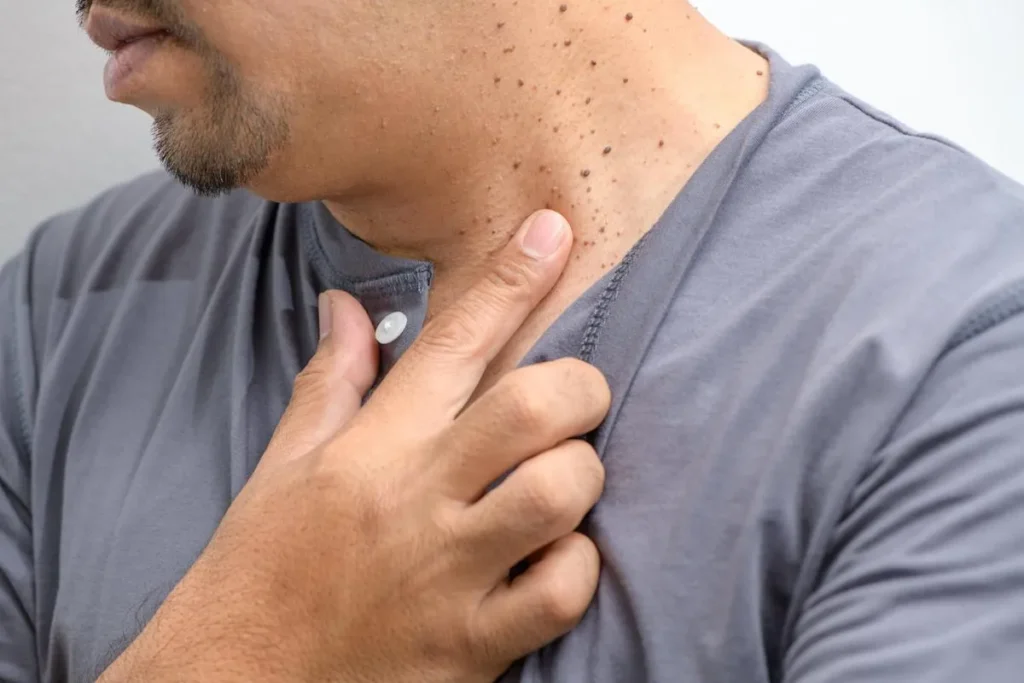
Seeing dark, velvety patches on your neck and armpits can worry you. These spots might mean you have acanthosis nigricans, a skin issue that many people face. It shows up as thickened skin in folds and creases, linked to health issues or metabolic changes.
At GoldCity Center, we focus on you with our advanced dermatology care. Knowing about acanthosis nigricans is key to handling it well. Seeing a dermatologist is vital for the right diagnosis and treatment. This helps you feel better about your skin.
Manage thick dark skin on neck and armpits. Discover amazing, powerful healing tips for an incredible and clear complexion fast.
Belangrijkste opmerkingen
Acanthosis nigricans is a treatable skin condition characterized by dark, thick, velvety patches.
It often appears in body folds and creases, such as the neck and armpits.
The condition is associated with obesity, diabetes, and hormonal disorders.
Consulting a dermatologist is essential for proper diagnosis and treatment.
Treating the underlying cause may restore the skin’s usual color and texture.
Understanding Acanthosis Nigricans
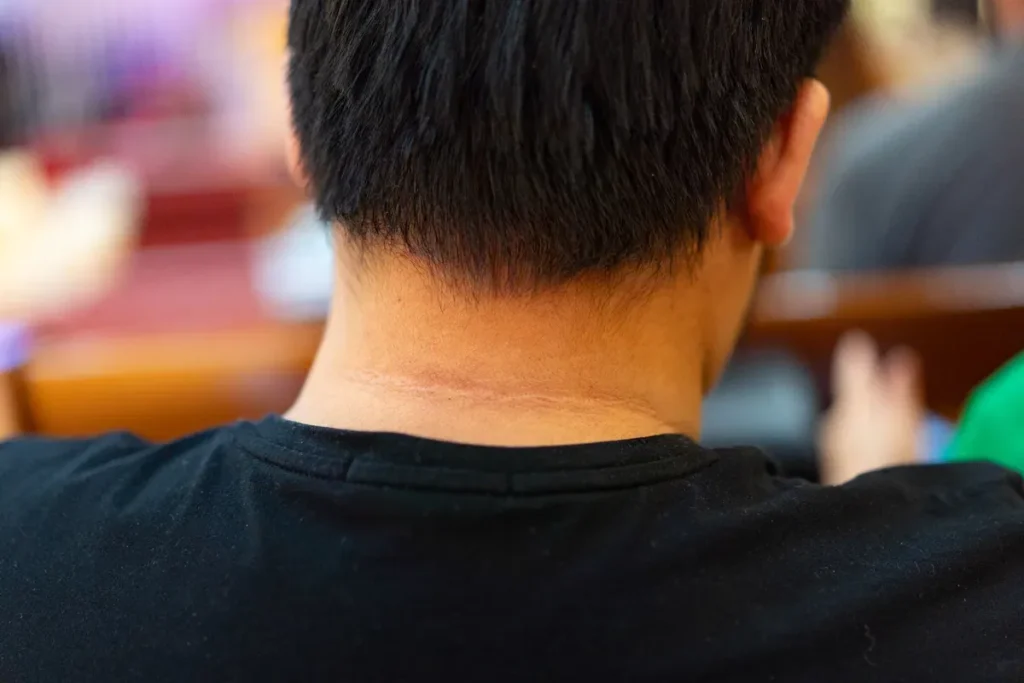
Dark, velvety skin patches on the neck and armpits can be scary. But knowing what causes acanthosis nigricans can ease worries. This skin condition shows up as dark, thick, and velvety patches, usually in skin folds.
What These Dark Patches Look Like
Acanthosis nigricans has a unique look. The patches can be light brown to black and feel velvety. They might be flat or raised and sometimes itch.
Dermatologists say it’s linked to insulin resistance and hormonal issues. “Acanthosis nigricans is a visible marker of an underlying metabolic issue,” a study in the Journal of Clinical and Aesthetic Dermatology found.
Common Locations on the Body
Acanthosis nigricans often shows up in skin folds. These areas hold more moisture and get more friction. Common spots include:
The neck
Armpits
Groin
Elbows
Knees
Wie wordt het meest getroffen
Anyone can get acanthosis nigricans, but some groups are more at risk. This includes people with obesity, diabetes, and hormonal disorders. People of color are also more likely to get it.
— American Diabetes Association
Knowing the risk factors and causes is key to managing and treating acanthosis nigricans well.
Causes and Risk Factors
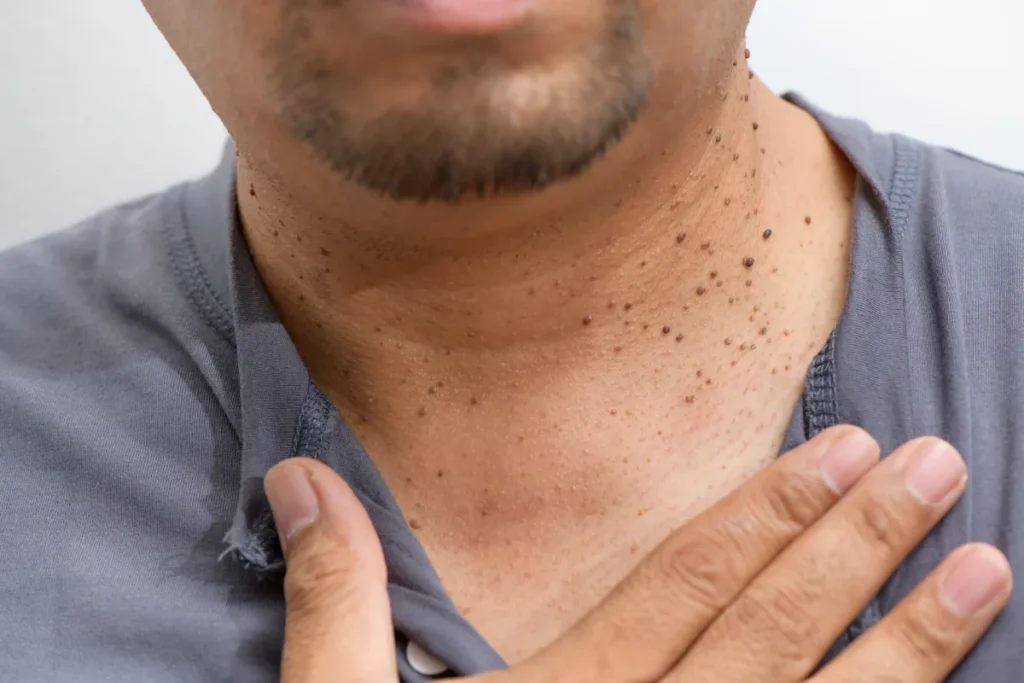
Many things can lead to acanthosis nigricans. This includes health issues and lifestyle choices. Knowing what causes it is key to finding the right treatment.
Insulin Resistance as the Primary Cause
Insulin resistance is a main reason for acanthosis nigricans. It happens when the body’s cells don’t respond well to insulin. This hormone helps control blood sugar levels. So, the body makes more insulin, causing skin cells to grow and darken.
People with diabetes or at risk of it often get acanthosis nigricans. The connection between insulin resistance and dark patches on the neck is clear. It shows why keeping blood sugar in check is so important.
Other Medical Conditions That Trigger Dark Patches
Other health issues can also cause acanthosis nigricans. For example, hormonal disorders like PCOS and thyroid problems. Obesity is also a big risk factor because it often leads to insulin resistance.
Hormonale onbalans
Certain medications
Cancer (in rare cases)
These conditions can lead to brown patches on the neck and chest. It’s vital to tackle the root cause.
Genetic and Environmental Factors
Genetic factors can also contribute to acanthosis nigricans. If your family has it, you might get it too. Lifestyle and diet also play a part in getting marks on the neck and other areas.
Living a healthy lifestyle can help reduce these risks. It’s important to understand how genes and environment interact. This knowledge is key to managing acanthosis nigricans well.
Effective Treatments for Thick Dark Skin Patches
There are many ways to treat dark skin patches. You can use medical treatments, home remedies, and change your lifestyle. Knowing your options helps you choose the best care for you.
Medische ingrepen
Doctors often start with creams and ointments for dark patches. Creams with tretinoin or hydroquinone can lighten dark spots. Sometimes, they suggest chemical peels or laser therapy to improve your skin.
If your case is severe, see a dermatologist. They can recommend the right treatments, like prescription medications or other therapies.
Home Remedies and Natural Solutions
Home remedies and natural solutions can also help. Try using aloe vera, turmeric, or coconut oil on the affected areas. But, always talk to a healthcare professional before trying new treatments.
Lifestyle Modifications
Changing your lifestyle can also help. Eating well, staying hydrated, and exercising can improve your skin. Stress management is also important for your skin health.
By making these lifestyle changes and using medical treatments, you can manage your condition. This will help improve how your skin looks.
Conclusie
Understanding and addressing thick dark skin patches on the neck and armpits is key for healthy, radiant skin. Acanthosis Nigricans, a condition with dark dry patches, can cause discomfort and self-consciousness.
Consulting a dermatologist is vital for the right diagnosis and treatment. Knowing the causes, symptoms, and treatment options helps individuals regain confidence. They can also achieve a more even-toned complexion.
Effective treatments include medical interventions, home remedies, and lifestyle changes. By taking a holistic approach to skin care, individuals can reveal their inner glow. Your journey to a radiant complexion starts now.
To tackle Acanthosis Nigricans, a multi-faceted approach is needed. This includes professional guidance, self-care, and a healthy lifestyle. By focusing on skin health, you can transform your routine and shine from within.
FAQ
What are the dark patches on my neck and armpits a sign of?
Dark patches on the neck and armpits might mean you have acanthosis nigricans. This is a skin issue linked to insulin resistance and other health problems.
Can dry skin cause dark patches on the neck?
Dry skin can make dark patches look worse. But acanthosis nigricans is a specific condition. It shows as thick, dark skin patches with other symptoms too.
Are dark patches under the armpits itchy?
Dark patches under the armpits might itch sometimes. But not always. If you itch, see a dermatologist to find out why.
How can I get rid of dark spots on my neck and chest?
Getting rid of dark spots depends on why they’re there. A dermatologist can help figure out the best treatment. This might include medicine, home remedies, or changes in your lifestyle.
Are dark patches on the neck and armpits a sign of a serious health condition?
Dark patches can hint at health issues like insulin resistance or hormonal problems. But, a dermatologist must confirm the cause. They’ll then create a treatment plan.
Can I prevent dark patches on my neck and armpits?
Yes, you can lower the risk of dark patches. Eat well, exercise regularly, and manage health issues like insulin resistance. These steps can help prevent dark patches.
How can I treat dry skin patches on my neck?
To treat dry skin on your neck, moisturize well. Avoid harsh products and protect your skin from the environment. Use gentle, nourishing products and stick to a skincare routine.
Are there any home remedies for dark patches under the armpits?
Some home remedies, like creams or oils, might help. But, it’s key to see a dermatologist. They can find the real cause and suggest the best treatment.
Referenties
Nationaal Centrum voor Biotechnologie-informatie. Evidence-Based Medisch Inzicht. Opgehaald van https://pubmed.ncbi.nlm.nih.gov/24636325/