Discover the power of tretinoin in fighting aging signs. It’s a topical retinoid that treats and prevents acne, reverses aging, and improves skin texture. With decades of research, tretinoin offers a luxury transformation for a radiant glow and timeless schoonheid.
Tretinoin boosts collagen and firmness, making it a complete anti-aging solution. For more details on tretinoin’s benefits, check out tretinoin before and after results from dermatologists.
Belangrijkste opmerkingen
Reduces fine lines and facial wrinkles
Improves skin texture and elasticity
Boosts collagen production for firmness
Fades age spots and hyperpigmentation
Enhances overall skin glow and health
Understanding Tretinoin and Its Anti-Aging Mechanisms
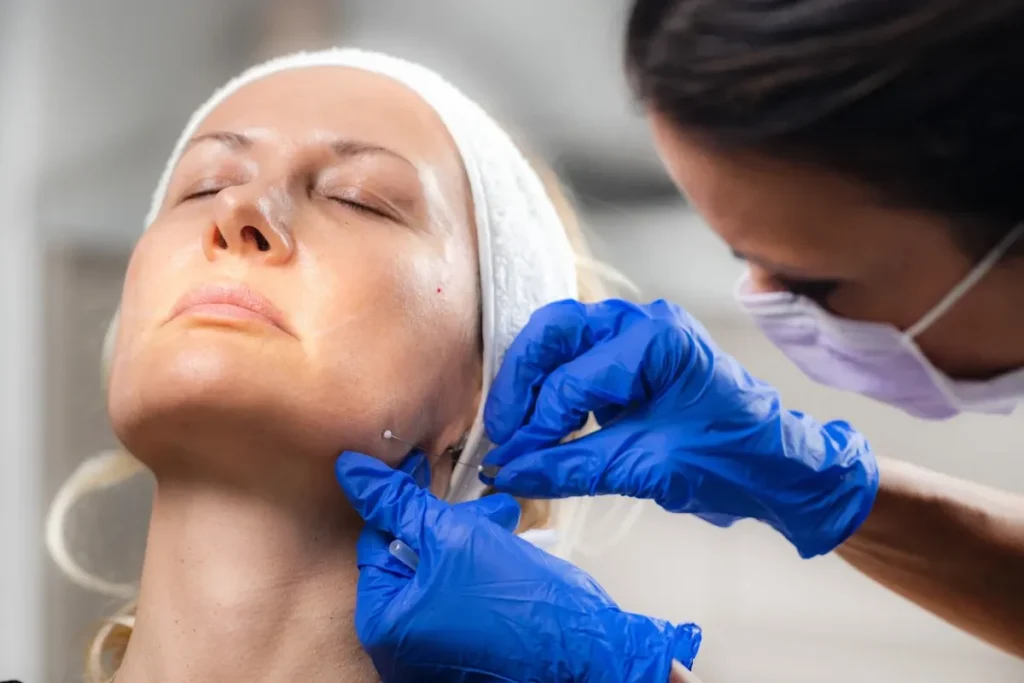
Tretinoin is a key player in skin renewal and fighting aging. It’s a vitamin A derivative that works deep in the skin to make it look younger.
What Is Tretinoin and How It Works
Tretinoin boosts skin cell turnover, collagen production, and melanin dispersal. This helps fix skin damage and makes skin texture better. It comes in creams and gels for different skin types.
By speeding up cell turnover, tretinoin clears pores, reduces fine lines, and makes skin more elastic.
Clinical Research Supporting Tretinoin’s Effectiveness
Studies show tretinoin fights aging well. A review of eight trials with 1,361 patients found it greatly improved facial photodamage. It also makes fine wrinkles, skin elasticity, and collagen better.
Tretinoin’s success comes from boosting collagen and skin renewal. This leads to a younger, brighter look. It’s a favorite for those wanting to rejuvenate their skin and fight aging signs.
How to Properly Use Tretinoin for Maximum Results
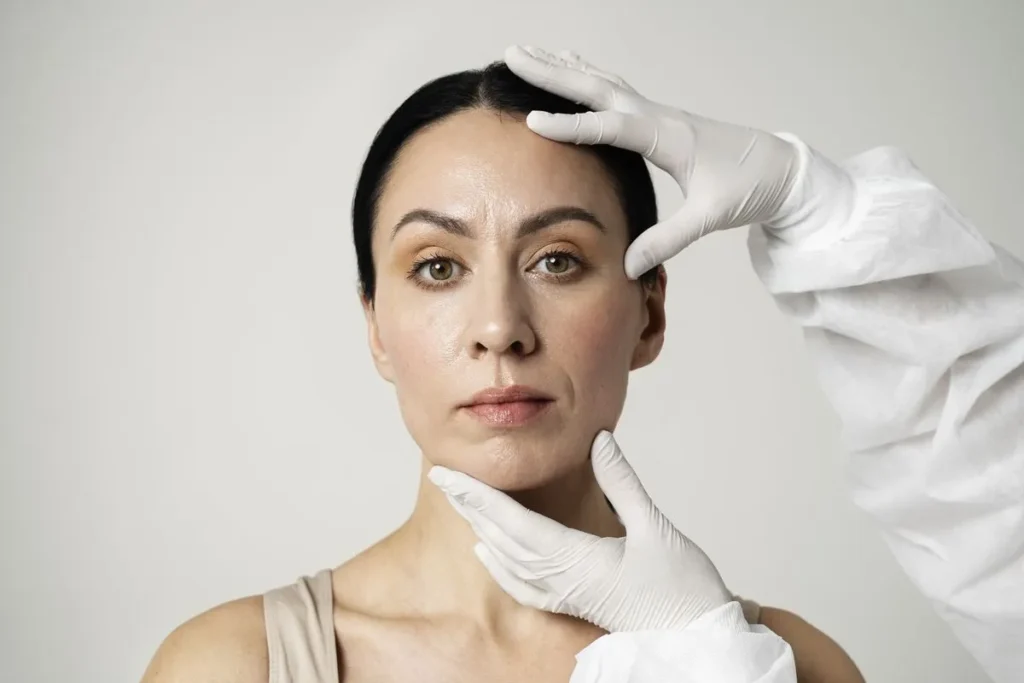
To get the most out of tretinoin, you need to use it right and handle any side effects. Knowing how to apply this anti-aging treatment is key to seeing results.
Starting Your Tretinoin Treatment
Begin with a lower concentration of tretinoin. This lets your skin get used to it slowly. It also helps avoid irritation at first.
As your skin gets used to it, you can increase the concentration or how often you use it. Always watch how your skin reacts.
Application Techniques and Best Practices
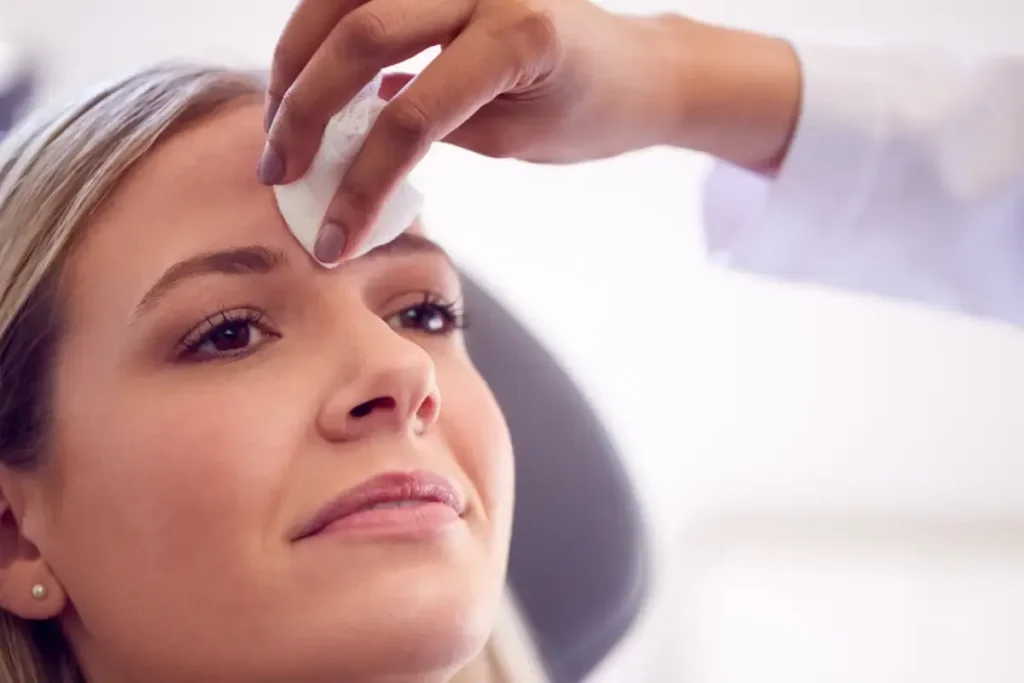
For the best results, apply tretinoin to clean, dry skin. This makes sure it absorbs well without any other products getting in the way.
After applying, use a moisturizer to keep your skin from getting too dry or irritated. This is important for keeping your skin healthy and comfortable while using tretinoin.
Managing Side Effects and Adjusting Your Routine
Even though tretinoin is usually safe, some people might get side effects like redness or dryness. If you get these, try changing how often you apply it or add more skincare products to help.
Talking to a skincare professional can also help. They can give you advice that fits your skin type and needs.
Tretinoin Anti-Aging Before and After Results
Tretinoin’s power is clear in the before-and-after photos of its users. It makes photoaged skin look better, reducing wrinkles and dark spots.
Photos show smoother skin and a brighter look. Studies back this up, proving tretinoin’s role in achieving lasting beauty.
Adding tretinoin to your skincare routine can reveal your natural glow. It’s not just about looks; it boosts your confidence too.
Tretinoin is a top choice for those looking for the latest in skincare. Its success is evident in the many before-and-after photos. It’s a real game-changer for anti-aging.
FAQ
What is tretinoin and how does it work for anti-aging?
Tretinoin is a form of vitamin A that helps your skin look younger. It makes new collagen and improves skin texture. This leads to smoother, more radiant skin.
What are the benefits of using tretinoin for anti-aging?
Tretinoin can make fine wrinkles and age spots less noticeable. It also boosts collagen and skin elasticity. This results in smoother, more even-toned skin.
How long does it take to see results from using tretinoin?
You might see improvements in a few weeks to months. In three to six months, you can see big changes. Your skin will keep getting better over time.
How do I properly apply tretinoin for maximum results?
Apply a small amount to clean, dry skin at night. Start with a low concentration and increase as your skin gets used to it. Always use sunscreen during the day to protect your skin.
What are the common side effects of using tretinoin, and how can I manage them?
Side effects include redness, irritation, and dryness. Start with a low concentration and increase slowly. Using a moisturizer can help soothe and hydrate your skin.
Can I use tretinoin on sensitive skin?
Yes, but start with a low concentration. Gradually increase as your skin gets used to it. Using a moisturizer can also help calm and hydrate your skin.
Is tretinoin suitable for all skin types?
Tretinoin works for most skin types. But, it’s important to follow a consistent skincare routine and manage side effects. If you have very sensitive skin, talk to a dermatologist for advice.
Can I use tretinoin in combination with other skincare products?
Yes, but be careful. Make sure the products you use don’t irritate your skin or reduce tretinoin’s effectiveness. Stick to a consistent routine.
How does tretinoin compare to other anti-aging treatments?
Tretinoin is a proven treatment for anti-aging. It improves wrinkles, skin elasticity, and collagen. It’s a reliable option that can be used with other products and treatments.
Are there any tretinoin before and after photos that demonstrate its effectiveness?
Yes, there are many photos showing tretinoin’s results. They show smoother skin, reduced wrinkles, and better skin tone. These photos give you a clear idea of what to expect.
Referenties
Nationaal Centrum voor Biotechnologie-informatie. Evidence-Based Medisch Inzicht. Opgehaald van https://pmc.ncbi.nlm.nih.gov/articles/PMC2699641/