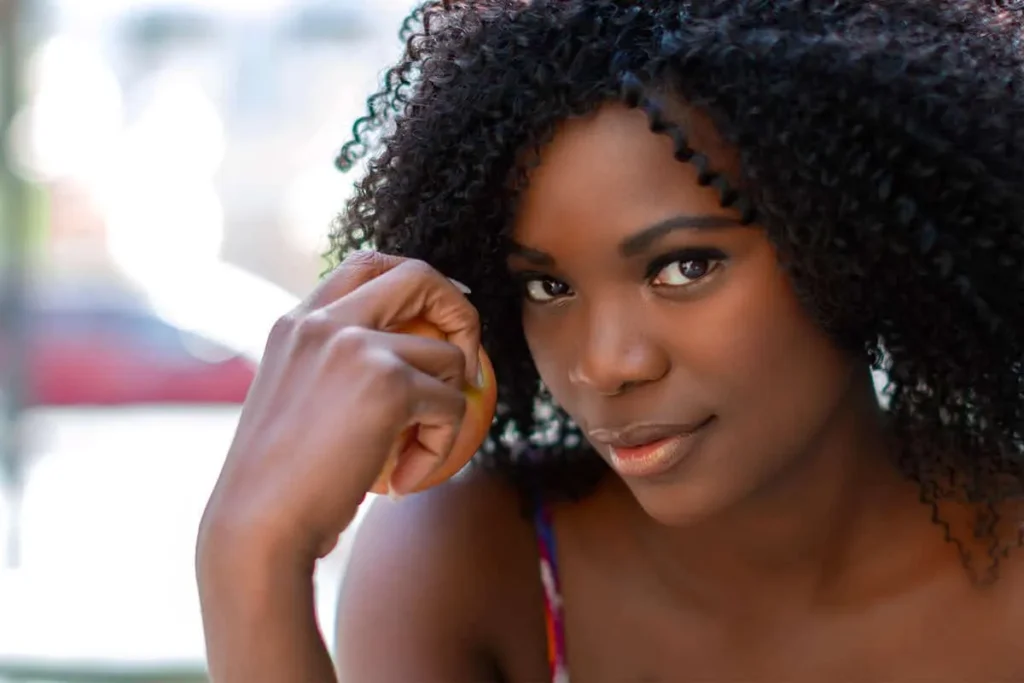
The color of our skin comes from how much and what kind of melanin we have. Those with dark skin have more eumelanin. This helps protect them from the sun’s strong rays.
What makes skin dark and how does melanin work? Explore amazing biological facts and discover the powerful beauty behind skin pigmentation today.
It’s important to know about skin pigmentation to understand different skin tones. GoldCity Centrum aims to teach patients about skin pigmentation. They also offer top-notch dermatology care that values all kinds of skin.
Belangrijkste opmerkingen
The amount and type of melanin determine an individual’s complexion.
Eumelanin is responsible for brown and black coloration in the skin.
People with dark skin have a higher concentration of eumelanin.
Melanin provides natural protection against the sun’s harsh effects.
Understanding skin pigmentation is key to appreciating diverse skin tones.
The Biology of Skin Color: What Makes Skin Dark
Melanin is key in setting skin color, more so for those with darker skin. It’s not just a pigment; it’s a complex molecule. It comes in different forms and is responsible for the wide range of skin tones in humans.
Melanin: The Pigment Behind Skin Color
Melanin is made by melanocytes in the skin’s outer layer, the epidermis. There are two main types: eumelanin and pheomelanin. Eumelanin causes brown and black colors, while pheomelanin makes skin red and yellow. People with dark skin have more eumelanin, making their skin darker.
Many things affect melanin production, like sun exposure, hormonal changes, and genetics. Knowing how melanin works helps us understand dark skin better.
Melanocytes: The Specialized Cells of Pigmentation
Melanocytes are the cells that make melanin. They are in the epidermis and are key to skin color. In dark-skinned people, melanocytes work harder, making more melanin and darker skin.
How well melanin moves from melanocytes to keratinocytes also affects skin color. In dark-skinned people, this process is more efficient. This leads to more melanin and a darker look.
The Structural Differences in Dark Skin

In dark skin, there are more melanosomes and a better melanin transfer process. This leads to a higher melanin density. This is what makes dark skin look the way it does.
Melanosomes: Number, Size and Distribution
Dark skin has more and bigger melanosomes spread out, not in clusters. This even distribution helps in achieving a darker skin tone. For more on skin pigmentation, check out Eucerin’s guide on skin ethnics.
The size and number of melanosomes are key in skin color. In darker skin, more and bigger melanosomes mean more melanin. This gives better protection against UV rays.
The Melanin Transfer Process to Keratinocytes
The melanin transfer process to keratinocytes is vital for dark skin pigmentation. Melanocytes in dark skin transfer melanin more efficiently to keratinocytes. This results in more melanin in the skin.
This efficient transfer is important for keeping the skin’s color and protecting it from UV damage. Knowing how dark skin works helps in creating better skincare for all skin types.
Evolutionary Advantages of Darker Skin Tones
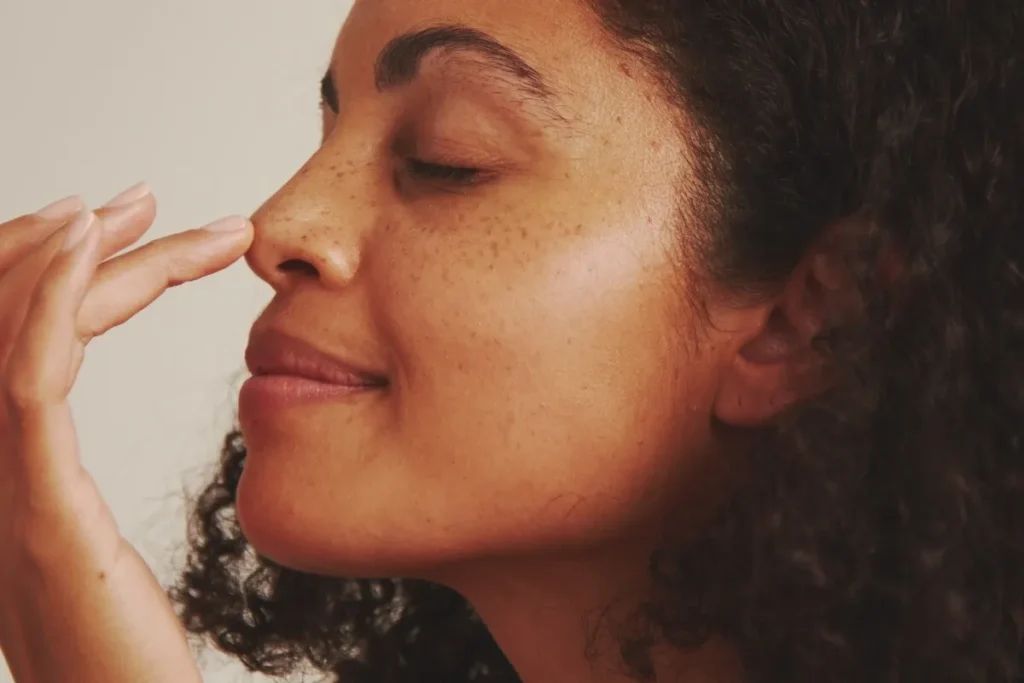
Darker skin tones evolved as a natural defense against harsh UV rays in tropical areas. This adaptation is more than just a cosmetic trait; it offers significant health benefits.
Superior UV Protection and Cancer Prevention
Darker skin is great at blocking harmful UV radiation. Eumelanin, the pigment in dark skin, absorbs over 99.9% of UV radiation. This greatly lowers the risk of skin cancer compared to lighter skin.
This natural shield is key in areas with lots of UV, where skin damage and cancer risks are higher.
Studies show people with darker skin have less skin cancer. This is thanks to melanin’s protective effects. For more on skin color evolution, check out Penn State’s article on the topic.
Geographical Adaptation to High-UV Environments
The way skin adapts to UV radiation is a remarkable part of human evolution. Near the equator, intense sunlight has favored darker skin. This gives them a survival edge.
This adaptation is not just about skin color. It’s part of a range of physical changes to fit the environment.
The benefits of darker skin tones show how human biology and the environment interact. Knowing these adaptations helps us understand better skincare and prevent skin problems.
Conclusion: Diversity in Human Skin Pigmentation
The variety in human skin colors shows how genetics, environment, and culture work together. It’s important to know the science behind skin color. This helps us appreciate the special traits of different skin types.
Hyperpigmentation can happen to any skin tone. Treating it needs a plan that fits each person’s skin. By accepting this diversity, we celebrate beauty in all its forms. We see the beauty in every skin tone, from light to dark.
Beauty for every glow is real and shows the beauty of human skin colors. As we learn more about skin tones, we get closer to a world where everyone can show their beauty. We all can shine from within.
FAQ
What determines a person’s skin color?
A person’s skin color comes from how much and what type of melanin is in their skin. Dark skin has more eumelanin, which helps protect against the sun’s harsh effects.
What is melanin and how does it affect skin color?
Melanin is the pigment that gives skin its color. It’s made by cells called melanocytes. In dark skin, more eumelanin is made, making the skin darker.
What are the structural differences in dark skin?
Dark skin has more and bigger melanosomes. These are spread out and work better with keratinocytes. This leads to a denser melanin and darker skin.
What are the benefits of having dark skin?
Dark skin offers better UV protection. This lowers the risk of skin cancer and other skin problems. It’s a result of adapting to high-UV environments.
Why do people with darker skin tones have a lower risk of skin cancer?
Darker skin has more eumelanin. This natural protection shields against the sun’s harmful rays, reducing skin cancer risk.
Are there different types of melanin that contribute to skin color?
Yes, there are different melanins. Eumelanin is the one that makes skin dark.
How does the melanin transfer process work in dark skin?
In dark skin, melanosomes are transferred to keratinocytes more efficiently. This results in a denser melanin and darker skin.
What is the role of melanocytes in skin pigmentation?
Melanocytes are cells that make melanin. This pigment determines skin color.
How does skin pigmentation vary across different ethnicities?
Skin pigmentation changes with ethnicity. It’s due to genetic adaptations to different environments and UV levels.
Can people with dark skin get skin damage from the sun?
Yes, even with natural protection, dark skin can suffer from UV radiation damage. Prolonged sun exposure can cause harm.
Referenties
Nationaal Centrum voor Biotechnologie-informatie. Evidence-Based Medisch Inzicht. Opgehaald van https://pubmed.ncbi.nlm.nih.gov/15348419/