
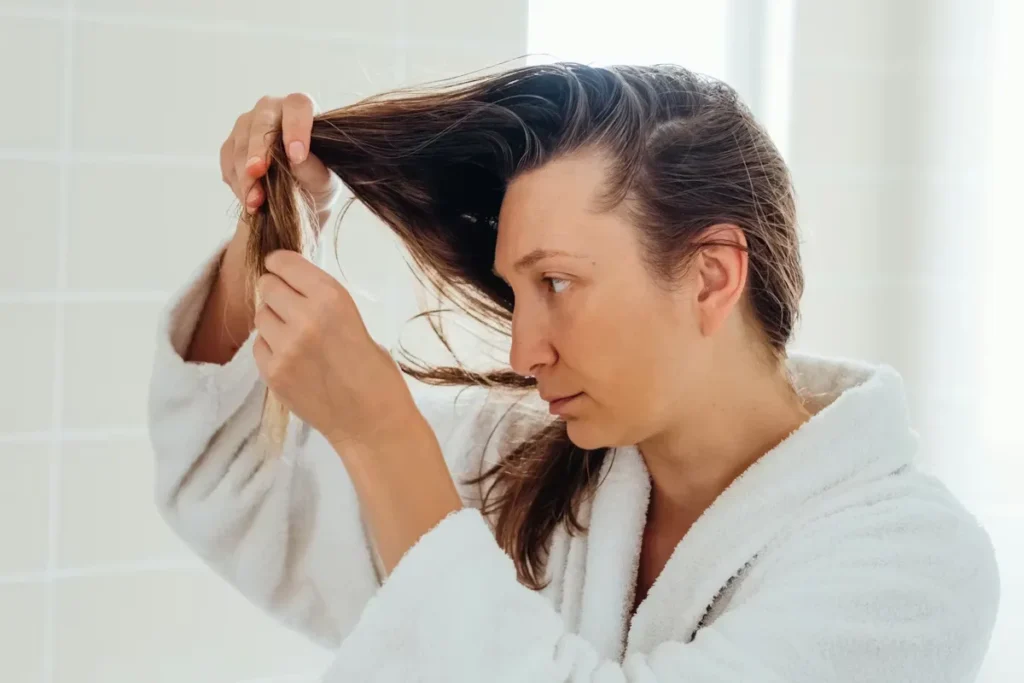
Reclaim your lush locks with our guide. Hair thinning is a big problem worldwide. About 65% of men and 40% of women face it by their 50s.
The market for hair loss treatments is growing fast. It’s expected to hit USD 12.3 billion by 2026. This shows more people want to fix their thinning hair.
Learn 7 effective ways to fight hair thinning. Unlock your inner glow and show off your beauty with our help.
Key Takeaways
Discover 7 proven methods to combat hair thinning
Understand the causes of hair loss and how to address them
Explore effective solutions to achieve a fuller, healthier head of hair
Learn how to reclaim your confidence with a radiant, healthy head of hair
Find expert guidance on hair thinning help and treatment options
Understanding Hair Thinning: Causes and Prevalence
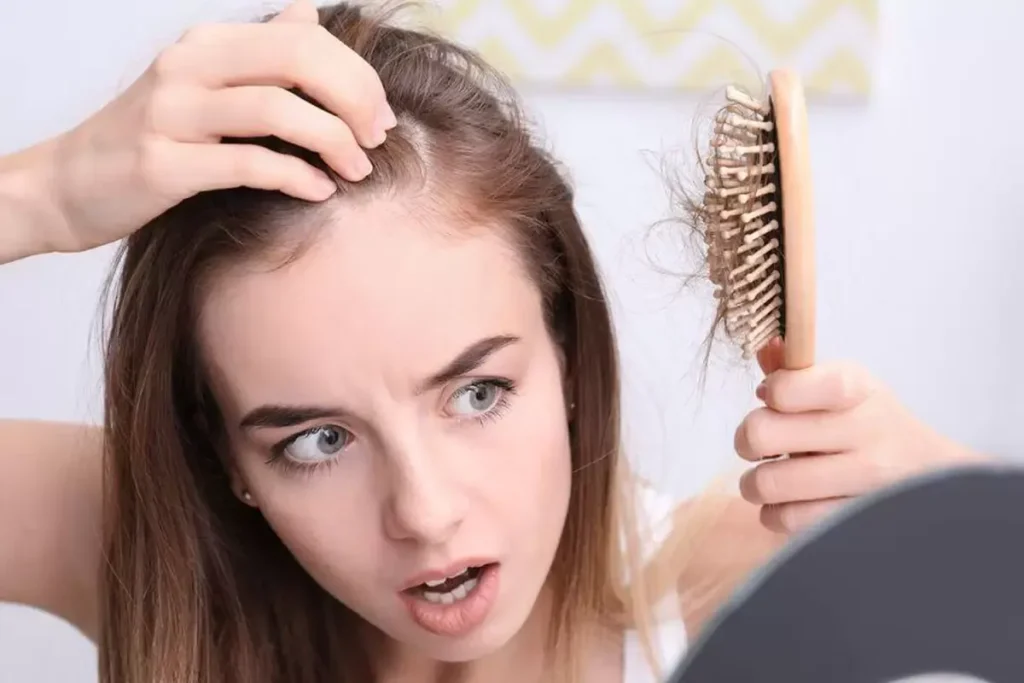
It’s important to know why hair thinning happens and how common it is. This knowledge helps us find better ways to treat it. Hair thinning affects many people worldwide and is more than just a beauty issue. It’s a serious health problem caused by many factors.
The Science of Androgenetic Alopecia and Hormonal Factors
Androgenetic alopecia is at the core of hair thinning. It’s caused by genetics and how our hormones work. This condition makes hair thin over time, mainly on the scalp. It happens because of a hormone called dihydrotestosterone (DHT) that shrinks hair follicles.
Hormones are key in androgenetic alopecia. Hormonal imbalances, like being sensitive to androgens, are very important. Knowing about these hormones helps us find the right treatments.
Demographics: Who Is Most Affected by Hair Loss
In the U.S., androgenetic alopecia affects about 30 million women and 50 million men. It can start at any age but gets worse as we get older. Men are more likely to lose hair, but women can also experience thinning hair.
Genetics are a big factor in hair thinning. If your family has a history of it, you might lose hair too. Young people can also lose hair, so it’s important to start treatments early.
7 Scientifically Proven Methods on How to Fix Thinning Hair
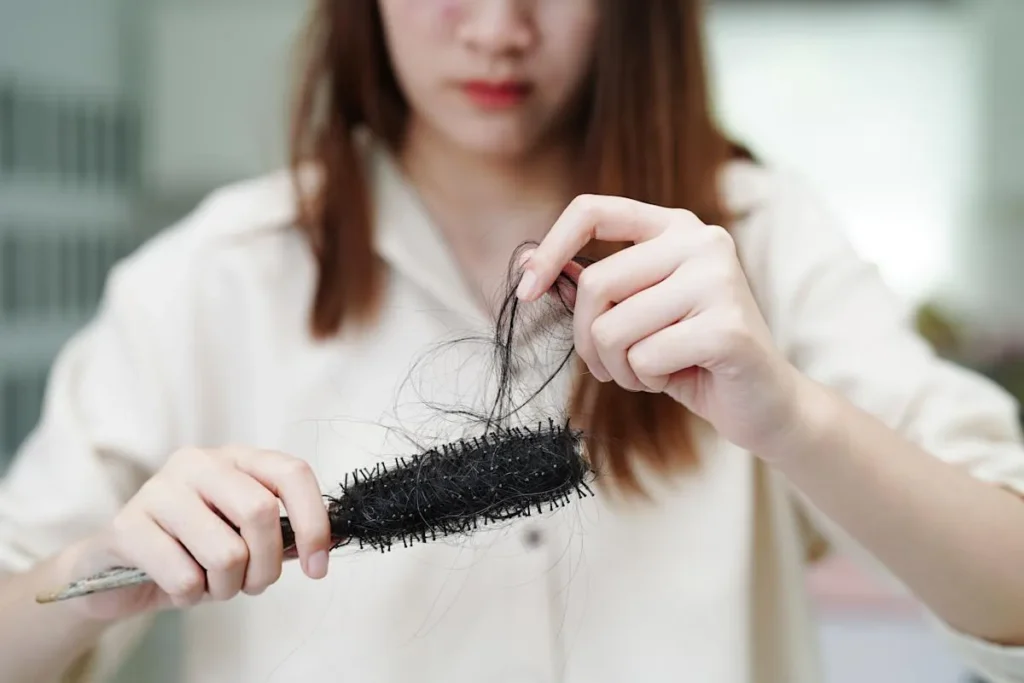
Looking for thicker, healthier hair? It’s all about the best regrowth strategies. Thinning hair can be upsetting, but there are proven ways to make your hair fuller again.
1. Topical Minoxidil: Application and Effectiveness
Topical minoxidil is a top choice for hair loss treatment. It makes hair grow longer and brings oxygen and nutrients to the follicle. Apply it to your scalp, twice a day, for best results.
Benefits: It boosts hair growth, strengthens follicles, and is simple to use.
2. Oral Finasteride: Benefits and Considerations
Oral finasteride is also very effective against hair loss. It blocks DHT, a hormone that causes thinning. Studies show it stops hair loss in about 85% of users.
Considerations: Finasteride is usually safe, but some people may experience side effects. Always talk to a doctor before starting treatment.
3. Platelet-Rich Plasma (PRP) Therapy for Hair Regrowth
PRP therapy injects platelet-rich plasma (PRP) into your scalp. PRP comes from your own blood and has growth factors that help hair grow.
Advantages: It’s a gentle treatment, promotes natural hair growth, and can be used with other treatments.
4. Low-Level Laser Therapy (LLLT) Devices
LLLT devices use low-level laser or light to stimulate hair growth. They increase blood flow to the scalp, helping hair to regrow.
Learning about these 7 scientifically proven methods helps you choose the right path for your hair. Whether it’s topical treatments, oral meds, or new therapies, there’s a solution for everyone.
Supporting Factors for Successful Hair Regrowth
Medical treatments are key for hair thinning. But, stress reduction and dietary changes also help a lot. A mix of medical treatments and lifestyle changes can really help hair grow back.
Stress Management Techniques to Prevent Further Thinning
Stress can make hair thinning worse. It can lead to conditions like telogen effluvium. So, managing stress is very important to stop hair loss.
Practices like meditation and yoga can help. They lower stress, making the scalp healthier and helping hair grow.
Meditation: It lowers cortisol, which is good for hair follicles.
Yoga: It combines physical postures, breathing, and meditation for well-being.
Deep Breathing Exercises: They calm the mind and reduce stress.
Nutrition and Lifestyle Changes for Healthier Hair Follicles
Eating well is key for healthy hair follicles. Eating more protein and iron-rich foods helps hair grow. Also, regular exercise and enough sleep improve hair health.
Protein-Rich Foods: Salmon, eggs, and spinach help hair grow.
Iron-Rich Foods: Red meat, lentils, and fortified cereals prevent iron deficiency.
Adequate Hydration: Water keeps hair follicles healthy.
By using stress-reducing methods and eating right, you can help your hair grow. It’s about taking care of your hair and mind together.
Conclusion: Creating Your Personalized Hair Recovery Strategy
Starting your journey to make your hair healthy again is exciting. It’s key to make a plan that’s just for you. Mix the 7 proven methods from this guide with good stress management and eating right. This way, you can make your hair the best it can be.
With regular care and time, you can see big changes in your hair growth. Talking to a dermatologist or trichologist is a smart move. They can guide you to the best treatments and find the right hair growth treatment cost for you.
Your journey to a healthier hair starts now. By taking charge of your hair growth, you’ll feel more confident and beautiful. Begin your journey today and find a more vibrant, healthier version of yourself.
FAQ
How can I regrow hair follicles?
To regrow hair follicles, try medical treatments like minoxidil and finasteride. Also, consider PRP and LLLT therapies. A healthy diet and managing stress are key to supporting hair growth.
How to reverse thinning hair naturally?
To reverse thinning hair naturally, choose a healthy diet and reduce stress. Use gentle hair care products. Natural remedies like saw palmetto and biotin can also help.
What are the scientifically proven ways to grow thicker hair?
Proven methods include using minoxidil and finasteride. PRP and LLLT therapies also work. These treatments boost hair growth and density, improving overall hair health.
How to stop thinning hair?
To stop thinning hair, understand its causes and use effective treatments. Make lifestyle changes to support hair health. Combining medical treatments with stress management and a balanced diet helps prevent further thinning.
Is hair thinning reversible?
Hair thinning can often be reversed. Addressing the cause and using treatments can promote hair regrowth. This leads to a fuller, healthier head of hair.
How to thicken thinning hairline?
To thicken a thinning hairline, use minoxidil and make lifestyle changes. Reduce stress and eat healthily. Certain hairstyles and products can also make hair appear thicker.
What is the cost of hair regrowth treatment?
Hair regrowth treatment costs vary. They depend on the treatment, how often you need it, and where you are. Costs range from a few hundred to several thousand dollars. Always consult a healthcare professional for the best treatment and cost.
Can hair grow back after thinning?
Yes, hair can grow back after thinning. Effective treatment and lifestyle changes are key. By addressing hair loss causes and using proven methods, you can regrow hair and achieve a fuller head of hair.
How can I save my hair from thinning?
To save your hair from thinning, be proactive. Understand hair loss causes, use treatments, and make lifestyle changes. Combining medical treatments with stress management and a balanced diet helps prevent further thinning and promotes hair regrowth.
References
National Center for Biotechnology Information. Evidence-Based Medical Insight. Retrieved from https://pubmed.ncbi.nlm.nih.gov/9865198/





