Dealing with dandruff dandruff can be frustrating, especially when white flakes and an itchy scalp become a daily nuisance. This article explains what causes this condition, how it differs from dry scalp, and which treatments—both over‑the‑counter and prescription—can restore a healthy scalp. According to dermatology research, up to 50 % of adults experience dandruff at some point, making it one of the most common scalp concerns worldwide.
We will explore the biology behind flaking, identify common triggers such as seborrheic dermatitis and hormonal changes, and provide a step‑by‑step guide to choosing the right shampoo, lifestyle adjustments, and when to seek professional help. Whether you are looking for quick relief or a long‑term scalp‑care plan, understanding the underlying factors is essential for effective management.
By the end of this article, you will have a clear roadmap to control dandruff dandruff, reduce itchiness, and maintain a comfortable, flake‑free scalp.
What Is Dandruff Dandruff and How It Develops
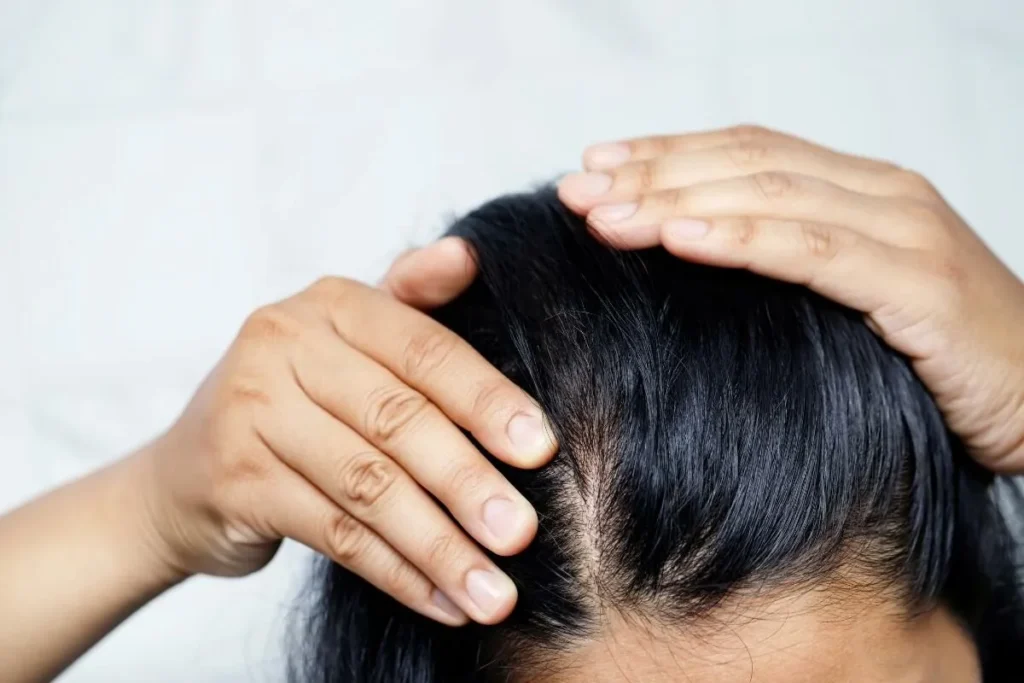
Dandruff dandruff is a chronic scalp condition characterized by the shedding of dead skin cells that appear as white or yellowish flakes. While it is often mistaken for dry skin, the underlying mechanisms involve an overgrowth of the yeast Malassezia, inflammation, and an accelerated turnover of skin cells on the scalp.
Definition and Symptoms
Key signs of dandruff dandruff include:
- Visible flakes on hair and shoulders
- Itchy scalp, especially after washing
- Occasional redness or mild irritation
- Greasy or oily scalp in severe cases
Unlike a simple dry scalp, dandruff dandruff often persists despite regular washing and may worsen during colder months or periods of stress. Recognizing these patterns helps differentiate it from other scalp disorders such as seborrheic dermatitis or eczema.
Common Triggers and Underlying Conditions
Understanding what fuels dandruff dandruff is crucial for effective prevention. Several lifestyle and medical factors can exacerbate the condition.
Seborrheic Dermatitis Connection
Many individuals with dandruff dandruff also experience seborrheic dermatitis, a more severe inflammatory condition that affects oily areas of the skin, including the scalp, face, and ears. The overlap is due to the same yeast, Malassezia, thriving in oily environments.
Other common triggers include:
- Excessive use of hair styling products that build up on the scalp
- Hormonal fluctuations, particularly during puberty or menopause
- Stress, which can alter skin cell turnover
- Cold, dry weather that reduces scalp moisture
- Diet low in essential fatty acids and zinc
Identifying and addressing these factors can dramatically reduce the frequency of flare‑ups. For instance, switching to a gentle, sulfate‑free shampoo and managing stress through regular exercise often yields noticeable improvement.
Effective Over‑the‑Counter Solutions
For most cases, an appropriate dandruff shampoo can control the symptoms of dandruff dandruff within weeks. The active ingredients target the yeast and reduce inflammation.
Key Active Ingredients
Below is a comparison of the most common anti‑dandruff agents and their primary benefits:
| Ingredient | Mechanism | Typical Use |
|---|---|---|
| Zinc Pyrithione | Antifungal, reduces yeast growth | 2‑3 times weekly for 4 weeks |
| Ketoconazole | Broad‑spectrum antifungal | Twice weekly for 2‑4 weeks |
| Selenium Sulfide | Controls cell turnover, antifungal | Every other wash for 2 weeks |
| Coal Tar | Slows skin cell production | Weekly for chronic cases |
When selecting a product, consider your scalp type. Oily scalps often benefit from zinc pyrithione, while dry or sensitive scalps may find selenium sulfide or coal tar irritating. Additionally, alternating between two shampoos with different active ingredients can prevent resistance.
When to Seek Professional Medical Care
While many cases of dandruff dandruff respond to OTC solutions, persistent or severe symptoms warrant a professional evaluation. Dermatologists can diagnose underlying conditions such as seborrheic dermatitis, psoriasis, or fungal infections that require prescription therapy.
Medical Treatments and Prescription Options
Prescription‑strength treatments may include:
- Topical corticosteroids to reduce inflammation
- Prescription‑strength ketoconazole or ciclopirox shampoos
- Oral antifungal medication for extensive yeast overgrowth
- Phototherapy for refractory cases of seborrheic dermatitis
A concise comparison of prescription versus OTC approaches:
| Aspect | OTC Solutions | Prescription Care |
|---|---|---|
| Speed of Relief | 2‑4 weeks | 1‑2 weeks |
| Target Conditions | Dandruff dandruff, mild seborrheic dermatitis | Severe seborrheic dermatitis, psoriasis, resistant yeast |
| Potential Side Effects | Minimal, occasional irritation | Possible skin thinning, hormonal effects (oral meds) |
If you notice persistent redness, scaling beyond the scalp, or hair loss, schedule an appointment promptly. Early intervention can prevent secondary infections and improve overall scalp health.
Maintaining a Healthy Scalp Long‑Term
Preventing the recurrence of dandruff dandruff involves a combination of proper hair care, nutrition, and lifestyle choices.
Daily Scalp‑Care Practices
- Massage the scalp gently while washing to stimulate circulation.
- Rinse thoroughly to remove any residue that can feed Malassezia.
- Limit the use of heavy styling products; opt for lightweight, non‑comedogenic formulas.
- Apply a lightweight, non‑oil‑based conditioner only to the hair ends.
Nutrition and Lifestyle
Dietary factors also influence scalp health. Incorporate foods rich in omega‑3 fatty acids, zinc, and B‑vitamins, such as fatty fish, nuts, seeds, and leafy greens. Reducing stress through regular exercise, mindfulness, or adequate sleep can further diminish flare‑ups.
Finally, schedule regular check‑ups with a dermatologist or a specialist at Gold City Medical Center to monitor scalp condition and adjust treatment plans as needed.
Why Choose Gold City Medical Center
Gold City Medical Center combines advanced medical expertise with a holistic approach to scalp and skin health. Our team of certified dermatologists and trichologists offers personalized assessments, state‑of‑the‑art diagnostic tools, and evidence‑based treatment plans for dandruff dandruff and related conditions. With a focus on integrative care, we ensure that each patient receives comprehensive support—from medical therapy to lifestyle counseling—tailored to their unique needs.
Ready to reclaim a flake‑free, comfortable scalp? Contact Gold City Medical Center today to schedule a personalized consultation and discover the most effective treatment for your dandruff dandruff.
FAQ
What causes dandruff and how does Malassezia contribute?
Dandruff is caused by an overgrowth of the yeast Malassezia on the scalp, which triggers inflammation and rapid skin cell turnover.
How can I differentiate dandruff from a dry scalp?
Dandruff produces oily, yellowish flakes and persistent itch, while a dry scalp yields small, white, powdery flakes that improve with moisturising.
Which active ingredients are most effective in anti‑dandruff shampoos?
Zinc pyrithione, ketoconazole, selenium sulfide, and coal tar are the most proven anti‑dandruff agents.
When should I see a dermatologist for dandruff?
Seek professional care if flakes are severe, accompanied by redness, scaling beyond the scalp, hair loss, or if OTC shampoos provide no relief after 4 weeks.
What lifestyle changes can help prevent dandruff flare‑ups?
Adopt a balanced diet rich in omega‑3, zinc, and B‑vitamins, manage stress, use gentle sulfate‑free shampoos, and limit heavy styling products.
Are there any prescription treatments for severe dandruff?
Yes, prescription options include high‑strength ketoconazole or ciclopirox shampoos, topical corticosteroids, oral antifungals, and in rare cases, phototherapy.





