When corticosteroid injection alopecia areata is recommended, patients often wonder how this approach can halt the sudden appearance of bald spots and stimulate hair regrowth. Alopecia areata is an autoimmune condition that targets hair follicles, leading to unpredictable hair loss that can affect both scalp and body. Understanding the science behind the injection, the procedure itself, and the after‑care steps is essential for anyone considering this hair restoration option.
Worldwide, an estimated 2 % of the population experiences alopecia areata at some point in their lives, and many seek effective, minimally invasive treatments. Corticosteroid injections have become a cornerstone therapy because they directly address the inflammatory process that drives the condition. In this article, we will explore the nature of alopecia areata, the mechanism of corticosteroid injections, what patients can expect during treatment, and how this method compares with alternative options.
By the end of this guide, you will have a clear picture of the benefits, potential risks, and practical considerations, empowering you to make an informed decision about your hair loss journey.
Understanding Alopecia Areata and Its Causes
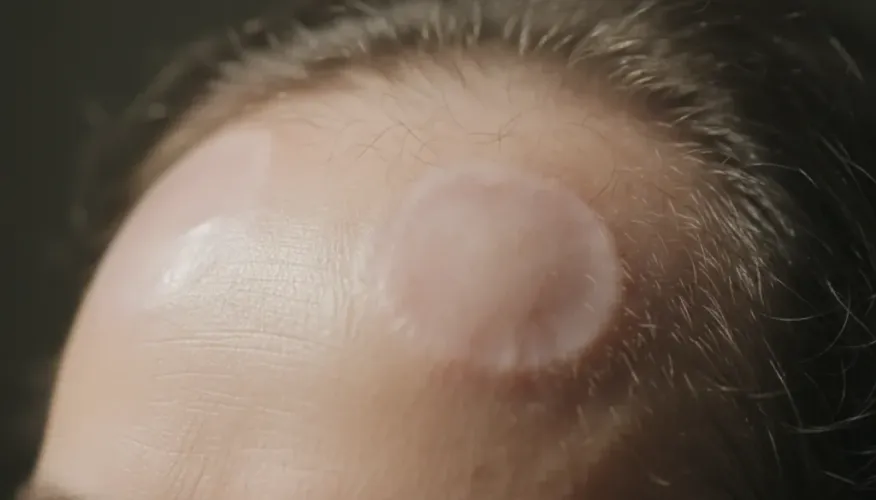
Alopecia areata is characterized by sudden, patchy hair loss that can progress to total scalp loss (alopecia totalis) or complete body hair loss (alopecia universalis). The condition arises when the immune system mistakenly attacks the hair follicles, causing inflammation and disrupting the normal hair growth cycle.
Key factors that contribute to the development of alopecia areata include:
- Genetic predisposition – family history can increase risk.
- Environmental triggers – stress, viral infections, or hormonal changes.
- Autoimmune activity – the presence of specific antibodies that target follicular structures.
While the exact cause remains complex, researchers agree that the autoimmune response is central. This understanding has guided the development of targeted therapies such as corticosteroid injection alopecia areata, which aims to suppress the local immune reaction and create a favorable environment for hair follicles to re‑enter the growth phase.
Patients often report that the first noticeable sign is a smooth, round bald spot, sometimes accompanied by a tingling sensation. Early intervention can improve the likelihood of regrowth, making timely diagnosis and treatment essential.
How Corticosteroid Injections Work for Hair Regrowth
Corticosteroids are potent anti‑inflammatory agents that, when injected directly into the affected area, can dampen the immune response responsible for follicle attack. By delivering the medication locally, the treatment maximizes efficacy while minimizing systemic exposure.
Mechanisms of action include:
- Reduction of inflammatory cytokines that signal immune cells to attack hair follicles.
- Stabilization of the micro‑environment around the follicle, allowing it to resume the anagen (growth) phase.
- Promotion of collagen synthesis, which supports the structural integrity of the scalp.
Clinical studies show that patients receiving corticosteroid injection alopecia areata experience visible regrowth in 60–70 % of cases after a series of treatments. The response varies based on factors such as the duration of hair loss, the size of the bald spot, and individual immune sensitivity.
In addition to direct injections, some clinicians combine the therapy with topical treatments or oral medications to enhance outcomes. However, the injection remains the most targeted approach for isolated patches.
| Effect | Injection | Topical Steroid | Oral Medication |
|---|---|---|---|
| Onset of action | 2–4 weeks | 4–8 weeks | 6–12 weeks |
| Local side effects | Minimal | Skin thinning | Systemic effects |
| Typical number of sessions | 3–5 | Daily use | Continuous |
The Injection Procedure: What to Expect
The procedure is typically performed in an outpatient setting and takes less than 30 minutes. Below is a step‑by‑step overview of what patients can anticipate:
- Consultation: A dermatologist evaluates the extent of hair loss, reviews medical history, and determines suitability for injection therapy.
- Preparation: The scalp area is cleaned with an antiseptic solution to reduce infection risk.
- Injection: Using a fine needle, the physician injects a measured dose of corticosteroid directly into the bald spot. Multiple injection points may be required to cover larger areas.
- Post‑procedure care: Patients receive instructions on gentle scalp handling, possible mild soreness, and signs of infection to watch for.
Most patients experience only mild discomfort, comparable to a quick pinprick. Local anesthesia is rarely needed, but it can be offered upon request. After the session, a temporary redness or swelling may occur, typically resolving within a few days.
Follow‑up appointments are scheduled every 4–6 weeks to assess regrowth and decide whether additional injections are necessary. The total course often comprises 3 to 5 sessions, depending on individual response.
Benefits, Risks, and Aftercare
When performed by experienced clinicians, corticosteroid injection alopecia areata offers several advantages:
- Targeted action: Direct delivery to the affected area reduces systemic side effects.
- Rapid results: Visible hair regrowth often appears within weeks.
- Convenient schedule: Only a few sessions are required.
Potential risks, while generally low, should be discussed beforehand:
- Transient pain or bruising at injection sites.
- Rare skin atrophy if high‑dose steroids are used repeatedly.
- Possible temporary thinning of surrounding hair.
Aftercare focuses on supporting healthy regrowth and minimizing complications:
- Keep the scalp clean and avoid harsh shampoos for 24 hours.
- Apply a gentle, fragrance‑free moisturizer if dryness occurs.
- Report any signs of infection—such as increasing redness, swelling, or pus—to your provider promptly.
Patients are also advised to maintain a balanced diet rich in vitamins D, B12, and iron, which are essential for hair health. Lifestyle factors like stress management and adequate sleep can further enhance treatment outcomes.
Comparing Injection Therapy with Other Treatments
While corticosteroid injections are a mainstay, several alternative therapies exist for alopecia areata. Understanding the strengths and limitations of each option helps patients select the most appropriate plan.
| Treatment | Method | Effectiveness | Side Effects | Typical Cost (EUR) |
|---|---|---|---|---|
| Corticosteroid Injection | Local intralesional | 60–70 % regrowth | Local bruising, rare skin atrophy | 300–500 per session |
| Topical Steroids | Cream or ointment | 30–40 % regrowth | Skin thinning, irritation | 50–150 per month |
| Oral JAK Inhibitors | Pill | 70–80 % regrowth | Infection risk, blood work needed | 1,200–2,000 per month |
| Platelet‑Rich Plasma (PRP) | Microneedling with autologous plasma | 40–55 % regrowth | Mild swelling, bruising | 400–800 per session |
In summary, corticosteroid injection therapy offers a balanced profile of high efficacy, limited systemic exposure, and manageable cost, making it a preferred first‑line option for many patients with localized alopecia areata.
Why Choose Gold City Medical Center
Gold City Medical Center combines integrative healthcare expertise with state‑of‑the‑art facilities to deliver personalized hair restoration solutions. Our team of board‑certified dermatologists and hair‑loss specialists has extensive experience in administering corticosteroid injection alopecia areata therapy, ensuring precise technique and optimal outcomes.
We prioritize patient comfort, offering a calm clinic environment, thorough pre‑procedure counseling, and comprehensive aftercare support. By integrating medical, cosmetic, and regenerative approaches, we create a holistic pathway to lasting hair regrowth.
Ready to take the next step toward restoring your confidence? Contact Gold City Medical Center today to schedule a personalized consultation and learn how our tailored corticosteroid injection program can help you achieve lasting hair regrowth.
FAQ
How do corticosteroid injections treat alopecia areata?
They deliver anti‑inflammatory steroids directly into the affected scalp area, suppressing the immune attack on hair follicles and allowing regrowth.
What can I expect during a corticosteroid injection procedure?
A brief outpatient visit where the dermatologist cleans the scalp, injects the steroid with a fine needle, and provides after‑care instructions.
How many injection sessions are usually needed for hair regrowth?
Most patients complete 3 to 5 sessions, spaced 4–6 weeks apart, depending on response.
What are the common side effects of corticosteroid injections for alopecia areata?
Side effects are usually mild and local, such as temporary pain, bruising, or rare skin atrophy.
How does injection therapy compare to topical steroids or oral JAK inhibitors?
Injections offer higher regrowth rates with fewer systemic effects than topical steroids and are less costly than oral JAK inhibitors.
Is Gold City Medical Center experienced in performing corticosteroid injections for alopecia areata?
Yes, the center’s dermatology team specializes in integrative hair restoration and has extensive experience with intralesional corticosteroid therapy.

