Many people wonder how to stop getting bald and seek reliable advice before hair loss becomes permanent. This article explores the science behind hair loss, lifestyle adjustments, medical options, and cosmetic solutions that can help you maintain a fuller head of hair. Did you know that up to 70% of men and 40% of women will experience noticeable thinning by age 50? Understanding the underlying factors is the first step toward effective prevention.
We will cover the most common causes of alopecia, practical habits that support scalp health, and the latest treatments approved by health authorities. Whether you are dealing with male pattern baldness, androgenetic alopecia, or patchy alopecia areata, the strategies outlined here are designed to empower you with actionable choices.
By the end of this guide, you will have a clear roadmap to halt further hair loss, improve existing hair density, and decide when professional intervention—such as a hair transplant at Gold City Medical Center—might be the right path.
Understanding the Causes of Hair Loss
Before you can answer the question of how to stop getting bald, it is essential to identify why hair loss occurs. The scalp is a dynamic environment, and several internal and external factors can disrupt the hair growth cycle.
Common Types of Alopecia
There are several forms of alopecia, each with distinct characteristics:
- Androgenetic alopecia (male or female pattern baldness) – the most prevalent, driven by genetics and hormones.
- Alopecia areata – an autoimmune condition that creates round, smooth patches of hair loss.
- Traction alopecia – caused by chronic tension from tight hairstyles.
- Telogen effluvium – a temporary shedding triggered by stress, illness, or medication.
Understanding which type you are experiencing guides the selection of appropriate treatments. For example, finasteride is effective for androgenetic alopecia, while corticosteroid injections may be used for alopecia areata.
| Alopecia Type | Primary Cause | Typical Pattern | Common Treatment |
|---|---|---|---|
| Androgenetic Alopecia | Genetic & Hormonal | Receding hairline, crown thinning | Finasteride, Minoxidil, Hair Transplant |
| Alopecia Areata | Autoimmune | Round patches | Corticosteroids, Immunotherapy |
| Traction Alopecia | Mechanical stress | Hairline recession | Style change, scalp care |
| Telogen Effluvium | Stress or systemic factors | Diffuse shedding | Address underlying cause, nutrition |
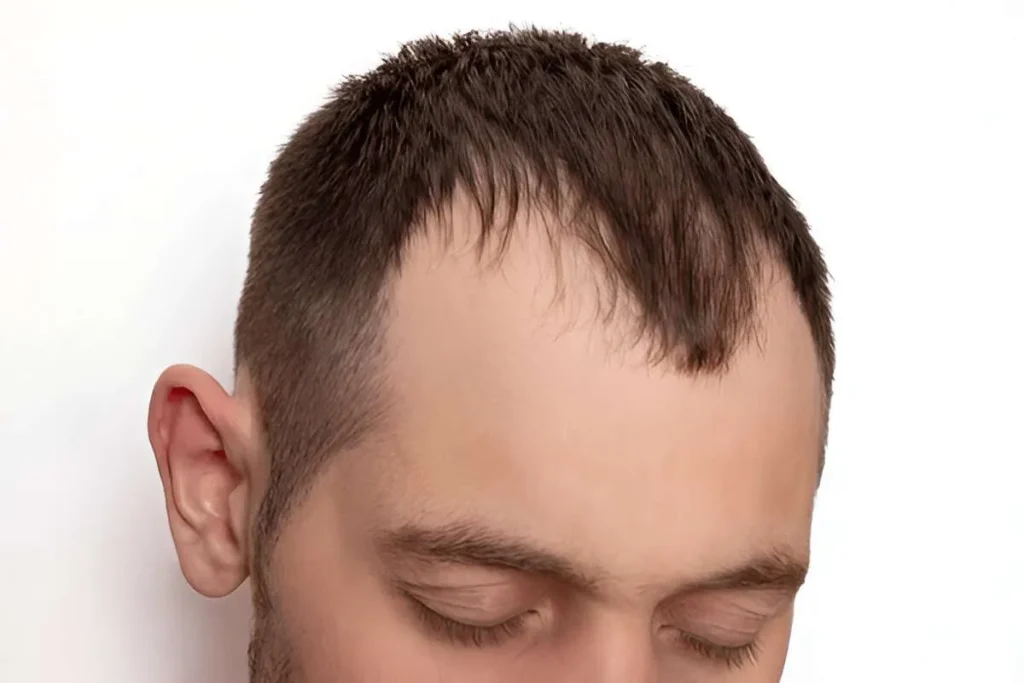
Lifestyle Changes That Can Reduce Baldness
Even though genetics play a major role, daily habits significantly influence the speed of hair loss. Making thoughtful adjustments can help you answer how to stop getting bald without immediate medical intervention.
Nutrition and Supplements
A balanced diet supplies the building blocks for strong hair follicles. Key nutrients include:
- Biotin – a B‑vitamin that supports keratin production.
- Vitamin D – deficiency is linked to alopecia.
- Iron – low iron levels can cause thinning hair.
- Omega‑3 fatty acids – reduce inflammation and improve scalp circulation.
Incorporate foods such as salmon, leafy greens, eggs, and nuts, or consider a high‑quality multivitamin formulated for hair growth. Consistency is crucial; supplements typically show results after three to six months of regular use.
Scalp Care and Stress Management
Gentle cleansing with a sulfate‑free shampoo prevents follicle irritation. Regular scalp massage stimulates blood flow, delivering nutrients to hair roots. Moreover, chronic stress elevates cortisol, which can push hair follicles into the resting phase. Practices like yoga, meditation, or regular exercise help lower stress levels, indirectly supporting hair retention.
Adopting these lifestyle habits creates a supportive environment for hair, making it easier to halt further thinning.
Medical Treatments and Interventions
When lifestyle changes are insufficient, medical options provide a more direct approach to answer how to stop getting bald. Several FDA‑approved products and procedures have demonstrated efficacy in slowing hair loss and encouraging regrowth.
FDA‑Approved Options
The most common pharmacologic treatments include:
- Finasteride – an oral medication that blocks DHT, the hormone responsible for follicle miniaturization.
- Minoxidil – a topical solution that prolongs the growth phase of hair follicles.
- Platelet‑Rich Plasma (PRP) therapy – injections of concentrated platelets that stimulate natural growth factors.
These treatments can be combined for synergistic effects. For example, many patients use finasteride alongside minoxidil to address both hormonal and vascular factors.
Hair Transplant Techniques
For permanent restoration, hair transplantation offers the most definitive solution. Two leading methods are:
| Technique | Source | Typical Sessions | Recovery Time |
|---|---|---|---|
| FUT (Follicular Unit Transplant) | Strip of scalp | 1–2 | 7‑10 days |
| FUE (Follicular Unit Extraction) | Individual follicles | 1–3 | 3‑5 days |
Both techniques relocate healthy follicles from a donor area (usually the back of the head) to thinning zones, resulting in a natural‑looking hairline. The success rate of modern hair transplants exceeds 90% when performed by experienced specialists.
Cosmetic and Non‑Surgical Solutions
Even if you decide to postpone surgical intervention, there are cosmetic approaches that can effectively mask thinning areas while you work on long‑term solutions.
Scalp Micropigmentation
This technique uses micro‑tattoos to replicate the appearance of hair follicles, creating the illusion of density. It is especially popular among those who have completed a hair transplant or prefer a low‑maintenance look.
Hair Fibers and Concealers
Keratin‑based fibers cling to existing hair, instantly thickening the look of a thinning crown. While not a permanent fix, they are a quick, inexpensive way to boost confidence during social events.
Combined with proper scalp care, these non‑surgical options can be part of a comprehensive plan to stop baldness progression while you explore more intensive treatments.
Choosing the Right Hair Restoration Plan
Deciding how to stop getting bald involves weighing personal goals, budget, and medical suitability. A structured approach helps you make an informed decision.
Assessment and Consultation
Begin with a comprehensive evaluation that includes a scalp examination, blood tests for hormone and vitamin levels, and a discussion of family history. This data determines whether you are a candidate for finasteride, minoxidil, PRP, or surgical transplantation.
Cost Considerations
Non‑surgical options like topical treatments typically cost less upfront but require ongoing purchase. Surgical procedures have a higher initial expense but often provide a permanent result, reducing long‑term maintenance costs.
Timeline and Expectations
Medication may take 3–6 months to show visible improvement, while hair transplants require several months for grafts to mature fully. Setting realistic expectations prevents disappointment and keeps you motivated throughout the process.
By aligning your expectations with a tailored plan, you increase the likelihood of successfully stopping further hair loss and achieving a natural, lasting result.
Why Choose Gold City Medical Center for Hair Restoration
Gold City Medical Center combines cutting‑edge medical expertise with a holistic approach to hair health. Our team of certified dermatologists and hair restoration surgeons offers personalized assessments, state‑of‑the‑art treatments, and ongoing support. Whether you need a prescription for finasteride, a PRP session, or a full‑scale hair transplant, we ensure safety, comfort, and the highest standards of care. Trust our integrative philosophy to guide you toward lasting confidence and a fuller head of hair.
Ready to stop losing hair and start regaining confidence? Contact Gold City Medical Center today to schedule a personalized consultation and discover the best solution for your unique needs.
Take the first step toward a healthier scalp—call us or fill out the online form now.
FAQ
What are the main causes of hair loss?
Hair loss can be caused by genetics, hormones, autoimmune disorders, mechanical stress, and temporary factors like stress or illness.
Can lifestyle changes really reduce baldness?
Yes, a balanced diet, proper scalp care, and stress management can slow hair loss and improve hair density.
What FDA‑approved medical treatments are available for baldness?
Finasteride, minoxidil, and platelet‑rich plasma (PRP) therapy are the primary FDA‑approved options.
How do hair transplant techniques differ?
FUT removes a strip of scalp, while FUE extracts individual follicles; both relocate healthy hair to thinning areas.
Are there non‑surgical options to mask thinning hair?
Yes, scalp micropigmentation and hair fibers are popular cosmetic solutions.





