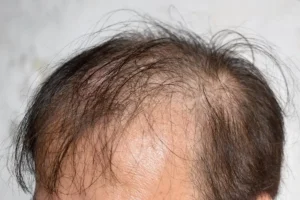
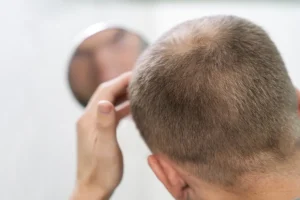
The question of how long does it take to go bald is common among many men who notice their hair thinning and wonder when the process will become noticeable. Understanding the timeline helps you plan preventive measures and decide when professional help might be needed. In this article we explore the typical speed of hair loss, the biological and lifestyle factors that influence it, and the options available to slow or reverse the process.
Hair loss does not follow a single, uniform schedule. While some men may notice a receding hairline within a few years of puberty, others retain a full head of hair well into their sixties. Studies suggest that around 25 % of men begin to show signs of male pattern baldness by the age of 30, and about two‑thirds are significantly balding by age 60.
By breaking down the stages of baldness, the role of genetics, medical conditions, and everyday habits, you will gain a clearer picture of what to expect and how to intervene effectively. Let’s dive into the factors that shape the baldness timeline and the steps you can take at each stage.
Factors That Influence the Speed of Hair Loss
Not all hair loss progresses at the same rate. Several key variables determine whether you might go bald quickly or maintain a thicker mane for years.
Genetic Predisposition
Genetics remain the strongest predictor. The presence of androgenetic alopecia—the medical term for hereditary male pattern hair loss—means that hair follicles are more sensitive to dihydrotestosterone (DHT), a hormone that shrinks follicles over time. If close male relatives experienced early baldness, the likelihood of a faster timeline increases.
Hormonal Factors
Beyond DHT, fluctuations in thyroid hormones, testosterone, and cortisol can accelerate thinning. Conditions such as hyperthyroidism or prolonged stress raise cortisol levels, which can push the hair cycle into a resting phase, leading to noticeable shedding.
Health Conditions and Medications
Autoimmune disorders like alopecia areata, chronic illnesses, and certain medications (including chemotherapy, steroids, and some antidepressants) can cause rapid hair loss. In these cases, the timeline can shrink dramatically—from months to weeks.
- Genetic susceptibility
- Hormonal imbalances (DHT, thyroid, cortisol)
- Medical treatments (chemo, steroids)
- Nutritional deficiencies (iron, zinc, vitamin D)
| Factor | Typical Impact on Timeline | Example Duration |
|---|---|---|
| Strong family history of baldness | Accelerated (noticeable within 2‑5 years) | 3‑4 years |
| Hormonal imbalance (high DHT) | Moderate acceleration | 5‑7 years |
| Medical treatment (chemotherapy) | Rapid, often complete loss | Weeks to months |
| Healthy lifestyle, balanced diet | Slowed progression | 10+ years |

Typical Stages of Male Pattern Baldness Over Time
Understanding the progression helps you gauge where you are on the timeline and what to expect next. The Norwood Scale is commonly used to classify the stages of male pattern baldness, ranging from Type 1 (minimal recession) to Type 7 (extensive hair loss).
Early Stage (Norwood 1‑2)
During the first 2‑5 years, the hairline may recede slightly at the temples, and the crown might show subtle thinning. Hair loss is often slow, and many men are unaware they have begun the process.
Intermediate Stage (Norwood 3‑4)
Between 5‑12 years, the recession becomes more pronounced, and a noticeable bald spot may appear on the crown. At this point, the average man can estimate a timeline of 10‑15 years before reaching advanced stages if no intervention is taken.
Advanced Stage (Norwood 5‑7)
Beyond 12‑20 years, the hair loss may merge across the scalp, leaving only a band of hair around the sides and back. Some individuals reach this stage as early as their late twenties, especially if they carry a strong genetic predisposition.
- Norwood 1‑2: Minor recession (2‑5 years)
- Norwood 3‑4: Clear thinning and bald spot (5‑12 years)
- Norwood 5‑7: Extensive loss, possible full baldness (12‑20+ years)
Medical Conditions and Treatments That Accelerate or Slow Balding
Beyond genetics, several medical scenarios can dramatically alter the how long does it take to go bald timeline. Recognizing these can help you act promptly.
Conditions That Speed Up Balding
Autoimmune alopecia areata causes sudden patches of hair loss, often within weeks. Thyroid disorders, particularly hyperthyroidism, can increase the rate of shedding. Chronic scalp infections or severe seborrheic dermatitis may also hasten follicle damage.
Treatments That Slow or Reverse Hair Loss
Two FDA‑approved medications—finasteride and minoxidil—have been shown to slow progression and, in some cases, stimulate regrowth. Finasteride works by inhibiting the conversion of testosterone to DHT, while minoxidil improves blood flow to the follicles. Low‑level laser therapy (LLLT) and platelet‑rich plasma (PRP) injections are emerging options that can extend the timeline before a man becomes fully bald.
| Intervention | Mechanism | Typical Effect on Timeline |
|---|---|---|
| Finasteride (1 mg daily) | DHT inhibition | Slows progression by 30‑50 % |
| Minoxidil (5 % topical) | Follicle stimulation | Stabilizes loss, modest regrowth |
| PRP Therapy | Growth factor delivery | Potential 20‑30 % improvement |
| Low‑Level Laser Therapy | Cellular metabolism boost | May delay further loss 1‑2 years |
Lifestyle Choices and Their Impact on the Balding Timeline
Everyday habits can either accelerate or decelerate the journey toward baldness. While you cannot change your genetics, you can influence the environment around your hair follicles.
Nutrition and Supplements
Deficiencies in iron, zinc, vitamin D, and biotin have been linked to increased shedding. A diet rich in lean protein, omega‑3 fatty acids, and antioxidants supports healthy hair growth and may extend the period before noticeable baldness.
Stress Management
Chronic stress elevates cortisol, which can push hair follicles into the telogen (resting) phase, causing diffuse thinning. Practices such as regular exercise, mindfulness, and adequate sleep have been shown to reduce stress‑related hair loss.
Hair Care Practices
Excessive heat styling, tight hairstyles (e.g., ponytails, braids), and harsh chemical treatments can cause traction alopecia and weaken follicles, potentially shortening the timeline to noticeable baldness.
- Eat a balanced diet with essential micronutrients
- Manage stress through relaxation techniques
- Avoid tight hairstyles and harsh chemicals
- Limit heat exposure and use gentle shampoos
When to Seek Professional Help: Early Intervention Options
Knowing how long does it take to go bald is useful, but recognizing the right moment to consult a specialist can make a decisive difference. Early consultation often yields better outcomes.
Signs It’s Time to Visit a Specialist
Key indicators include: a sudden increase in shedding (more than 100 hairs per day), a receding hairline that progresses more than 1 cm per year, or visible thinning on the crown. If you notice any of these, a professional evaluation can identify underlying causes and appropriate treatments.
Diagnostic Tools
Dermatologists use trichoscopy (scalp microscopy), blood tests for hormonal and nutritional status, and sometimes a scalp biopsy to pinpoint the cause of hair loss. These assessments help tailor a treatment plan that can effectively extend the period before full baldness.
Treatment Pathways
Based on the diagnosis, options may include medication, laser therapy, PRP, or surgical hair transplantation. For men considering a permanent solution, a hair transplant performed by a qualified clinic can provide natural‑looking density and effectively end the baldness timeline for the transplanted area.
- Consult when shedding exceeds normal limits
- Undergo comprehensive scalp evaluation
- Explore medical, laser, or surgical options early
Why Choose Gold City Medical Center for Hair Restoration
Gold City Medical Center combines cutting‑edge medical expertise with a holistic approach to hair health. Our team of experienced dermatologists and hair‑restoration surgeons offers personalized treatment plans that integrate medication, PRP, low‑level laser therapy, and state‑of‑the‑art hair transplantation. We prioritize patient safety, natural results, and long‑term satisfaction, making us a trusted partner for anyone looking to manage or reverse hair loss.
Ready to take control of your hair loss journey? Contact Gold City Medical Center today for a confidential consultation and discover the most effective solutions for your unique situation.
FAQ
How long does it usually take for men to notice the first signs of baldness?
Most men notice early signs, such as a receding hairline, between ages 20 and 30, often within 2‑5 years after puberty.
What is the Norwood Scale and how does it relate to the baldness timeline?
The Norwood Scale classifies male pattern baldness from Type 1 (minimal recession) to Type 7 (extensive loss) and helps estimate progression time.
Which medical conditions can accelerate the process of going bald?
Autoimmune alopecia areata, thyroid disorders, severe scalp infections, and certain medications can speed up hair loss dramatically.
How effective are finasteride and minoxidil in slowing down baldness?
Finasteride can reduce progression by 30‑50 % and minoxidil stabilizes loss with modest regrowth in many users.
What lifestyle changes can help extend the time before becoming fully bald?
A balanced diet rich in iron, zinc, vitamin D, regular exercise, stress management, and gentle hair care can slow hair loss.