If you’re looking to avoid hair loss naturally, understanding the underlying causes and lifestyle choices is essential. Many people notice thinning strands before they become bald, and early intervention can make a significant difference. In fact, studies show that up to 40% of men and 30% of women experience noticeable hair thinning by the age of 35, highlighting the importance of proactive care.
This article explores the science behind hair shedding, offers practical nutrition and scalp‑care strategies, and outlines lifestyle adjustments that support robust hair growth. Whether you’re dealing with androgenetic alopecia, stress‑related shedding, or simple seasonal thinning, the guidance here is designed for anyone who wants to keep their hair strong without resorting to harsh chemicals or invasive procedures.
We’ll cover everything from the role of vitamins and minerals to gentle cleansing routines, and we’ll explain when professional treatment may be the right next step. By the end, you’ll have a clear, evidence‑based plan to avoid hair loss naturally and maintain a healthy, vibrant scalp.
Understanding the Causes of Hair Loss
Before you can effectively avoid hair loss naturally, it helps to know why hair falls out in the first place. The most common factors fall into three categories: genetics, hormonal changes, and lifestyle triggers.
Genetic Factors
Male pattern baldness and female pattern thinning are largely driven by hereditary predisposition. The gene responsible for converting testosterone into dihydrotestosterone (DHT) can shrink hair follicles over time, leading to gradual thinning.
Hormonal Changes
Fluctuations in estrogen, progesterone, and thyroid hormones can also impact hair growth cycles. Conditions such as thyroid imbalance or menopause often manifest as diffuse shedding across the scalp.
Lifestyle Triggers
External factors like poor diet, chronic stress, and harsh hair‑care practices accelerate the shedding process. Below is a quick list of everyday habits that can contribute to hair loss:
- Excessive heat styling or tight hairstyles (traction alopecia)
- Smoking and heavy alcohol consumption
- Insufficient protein intake
- Chronic sleep deprivation
- Frequent use of harsh chemical treatments
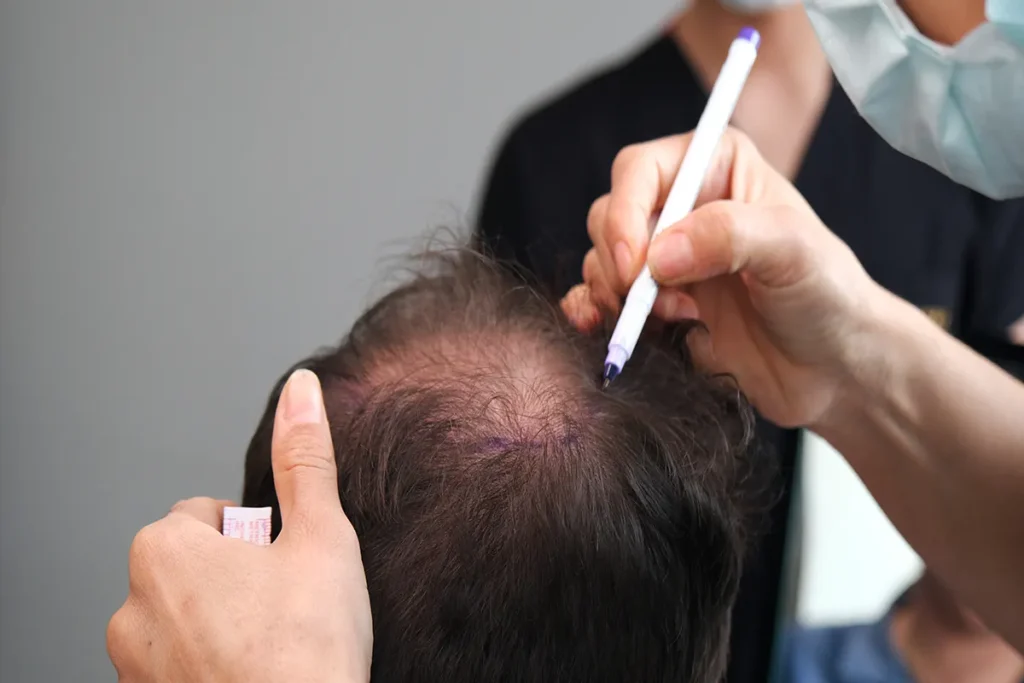
Below is a comparison of typical patterns observed in men and women:
| Characteristic | Men (Androgenetic Alopecia) | Women (Female Pattern Thinning) |
|---|---|---|
| Typical Onset | Late teens to early 30s | Late 20s to 40s |
| Pattern | Receding hairline, crown balding | Diffuse thinning over the top |
| Primary Hormone | DHT | Estrogen imbalance |
| Response to Natural Strategies | Variable, often requires medical support | Generally good response to nutrition and stress management |
By recognizing which of these elements are most relevant to you, you can target your efforts more precisely and increase the chances of successfully avoiding hair loss naturally.
Nutrition and Supplements for Healthy Hair
What you eat plays a pivotal role in the health of your follicles. Essential nutrients such as biotin, zinc, iron, and omega‑3 fatty acids support the production of keratin, the protein that makes up hair strands. Incorporating a balanced diet rich in these nutrients is one of the most effective ways to avoid hair loss naturally.
Essential Vitamins and Minerals
Below is a concise guide to the key vitamins and minerals that promote hair strength:
- Biotin (Vitamin B7) – Improves keratin infrastructure.
- Vitamin D – Supports hair follicle cycling.
- Iron – Prevents anemia‑related shedding.
- Zinc – Regulates oil glands and reduces scalp inflammation.
- Omega‑3 Fatty Acids – Enhance scalp circulation.
Foods to Include Daily
Integrate these foods into your meals to ensure a steady supply of hair‑building nutrients:
- Fatty fish (salmon, mackerel) – rich in omega‑3s.
- Lean poultry and eggs – high‑quality protein and biotin.
- Leafy greens (spinach, kale) – iron and vitamin A.
- Legumes and nuts – zinc and magnesium.
- Whole grains – B‑vitamins and selenium.
Supplement Options
If dietary intake is insufficient, high‑quality supplements can bridge the gap. Look for products that combine biotin, vitamin D3, iron (if you’re deficient), and a marine‑derived omega‑3 source. Always consult a healthcare professional before beginning any supplement regimen.
By consistently providing your body with these nutrients, you create an internal environment that makes it easier to avoid hair loss naturally and encourages new growth.
Scalp Care and Natural Topical Treatments
Even with optimal nutrition, the scalp’s external condition can hinder hair growth. A clean, well‑moisturized scalp encourages follicles to stay in the growth phase. Below are gentle, natural approaches you can adopt.
Gentle Cleansing
Choose sulfate‑free shampoos that maintain the scalp’s natural oil balance. Over‑washing can strip essential sebum, leading to dryness and inflammation, both of which accelerate shedding.
Essential Oils and DIY Masks
Several essential oils have been studied for their ability to stimulate circulation and reduce inflammation:
- Rosemary oil – May improve micro‑circulation.
- Peppermint oil – Provides a cooling effect that can boost follicle activity.
- Lavender oil – Offers antimicrobial benefits.
Combine a few drops of any of these oils with a carrier such as jojoba or coconut oil and massage into the scalp for 5‑10 minutes before washing.
DIY Hair Masks
Mixing ingredients like avocado, honey, and yogurt creates a moisturizing mask that supplies vitamins directly to the hair shaft. Apply for 20 minutes, then rinse with lukewarm water.
Regularly incorporating these natural topical treatments can significantly improve scalp health, giving you a better chance to avoid hair loss naturally without relying on synthetic chemicals.
Lifestyle Adjustments to Reduce Hair Shedding
Stress, sleep quality, and physical activity all influence hair growth cycles. Implementing mindful lifestyle changes can create a supportive environment for your follicles.
Stress Management
Chronic stress elevates cortisol levels, which can push hair follicles into the resting phase. Techniques such as mindfulness meditation, deep‑breathing exercises, and regular yoga sessions have been shown to lower cortisol and improve overall hair health.
Quality Sleep
Aiming for 7‑9 hours of uninterrupted sleep each night supports hormone regulation and tissue repair. Consider a bedtime routine that limits screen exposure and creates a cool, dark environment.
Regular Physical Activity
Exercise boosts circulation, delivering oxygen and nutrients to the scalp. Even moderate activities like brisk walking or cycling for 30 minutes a day can make a noticeable difference.
Adopting these habits not only benefits your overall well‑being but also creates the systemic conditions needed to avoid hair loss naturally over the long term.
When to Seek Professional Help
While many people can manage thinning hair with natural strategies, there are situations where medical evaluation becomes essential. Recognizing the warning signs early can prevent irreversible loss.
Red Flags
- Sudden, patchy bald spots
- Rapid shedding exceeding 100 hairs per day
- Scalp itching, redness, or sores
- Family history of early-onset baldness combined with no improvement from lifestyle changes
Medical Options
Professional treatments range from prescription medications such as finasteride and minoxidil to advanced procedures like platelet‑rich plasma (PRP) therapy and hair transplantation. Each option has its own efficacy profile and suitability based on the underlying cause.
| Treatment | Ideal For | Typical Results | Considerations |
|---|---|---|---|
| Finasteride (oral) | Male pattern baldness | 30‑40% hair regrowth | Requires prescription, possible hormonal side effects |
| Minoxidil (topical) | Early thinning, both genders | 15‑25% hair density increase | Needs consistent daily use |
| PRP Therapy | Moderate loss, both genders | Improved thickness, slower shedding | Multiple sessions, moderate cost |
| Hair Transplant | Advanced balding | Permanent, natural‑looking growth | Surgical, higher expense |
If you notice any of the red‑flag symptoms, consulting a specialist can help determine whether a medical approach, possibly combined with natural methods, is the best path forward.
Why Choose Gold City Medical Center
Gold City Medical Center offers a comprehensive, integrative approach to hair health. Our team combines evidence‑based medical treatments with personalized lifestyle counseling, ensuring each patient receives a plan tailored to their unique needs. With state‑of‑the‑art facilities and a focus on natural, minimally invasive solutions, we help you achieve lasting results while maintaining overall well‑being.
Ready to take control of your hair health? Contact Gold City Medical Center today for a personalized consultation and start your journey toward stronger, fuller hair.
Call us or fill out our online form to schedule an appointment—your scalp will thank you.
FAQ
What are the main causes of hair loss?
Hair loss is primarily caused by genetics, hormonal changes, and lifestyle factors such as poor diet, stress, and harsh hair‑care practices.
Which vitamins and minerals support healthy hair growth?
Biotin, vitamin D, iron, zinc, and omega‑3 fatty acids are key nutrients that promote strong, resilient hair.
How can essential oils be used to improve scalp health?
Essential oils like rosemary, peppermint, and lavender can be diluted in carrier oils and massaged into the scalp to boost circulation and reduce inflammation.
What lifestyle changes help reduce hair shedding?
Managing stress, getting quality sleep, and regular physical activity create systemic conditions that support hair growth.
When should I consider professional treatment for hair loss?
Seek medical help if you notice sudden patchy bald spots, rapid shedding, scalp irritation, or if natural methods fail to improve thinning.
Are natural supplements effective for preventing hair loss?
When diet lacks key nutrients, high‑quality supplements can help, but they should complement—not replace—balanced nutrition and lifestyle measures.





