Traction alopecia men is a form of hair loss that results from prolonged pulling or tension on the hair follicles. It is an increasingly common concern for men who regularly style their hair in tight braids, ponytails, or use heavy headgear. Understanding the underlying mechanisms, early signs, and effective interventions can prevent permanent damage and help restore a healthy scalp.
In this article we will explore what traction alopecia is, why it affects men differently, and how it can be distinguished from other types of alopecia such as male pattern baldness or androgenetic alopecia. We will also provide practical prevention tips, review both medical and surgical treatment options, and outline post‑treatment care to maintain long‑term hair health.
Whether you are noticing a receding hairline, thinning hair, or a bald spot that seems to follow your styling habits, this guide offers a comprehensive roadmap to diagnosing and managing traction alopecia men effectively.
What Is Traction Alopecia in Men?
Traction alopecia refers to hair loss caused by chronic mechanical stress on the scalp. In men, the condition often develops when hairstyles that exert constant pull—such as tight braids, dreadlocks, or the frequent use of helmets and headbands—compress the hair follicles. Over time, the repeated tension disrupts the normal growth cycle, leading to follicular inflammation and eventual miniaturization.
The condition can manifest as localized patches of thinning hair, typically along the hairline, temples, or nape. Unlike male pattern baldness, which follows a predictable front‑to‑back progression, traction alopecia may appear in irregular patterns that correspond directly to the areas of greatest tension.
Key causes include:
- Regular use of tight hairstyles (e.g., cornrows, ponytails).
- Heavy protective headgear for sports or occupational safety.
- Frequent use of hair accessories that pull on the scalp.
- Improper grooming techniques, such as excessive brushing or combing.
When the mechanical force exceeds the tolerance of the follicle, the scalp may develop redness, soreness, or a noticeable decrease in hair density. Early identification is crucial, as cessation of the offending practice can often reverse the process before permanent scarring occurs.
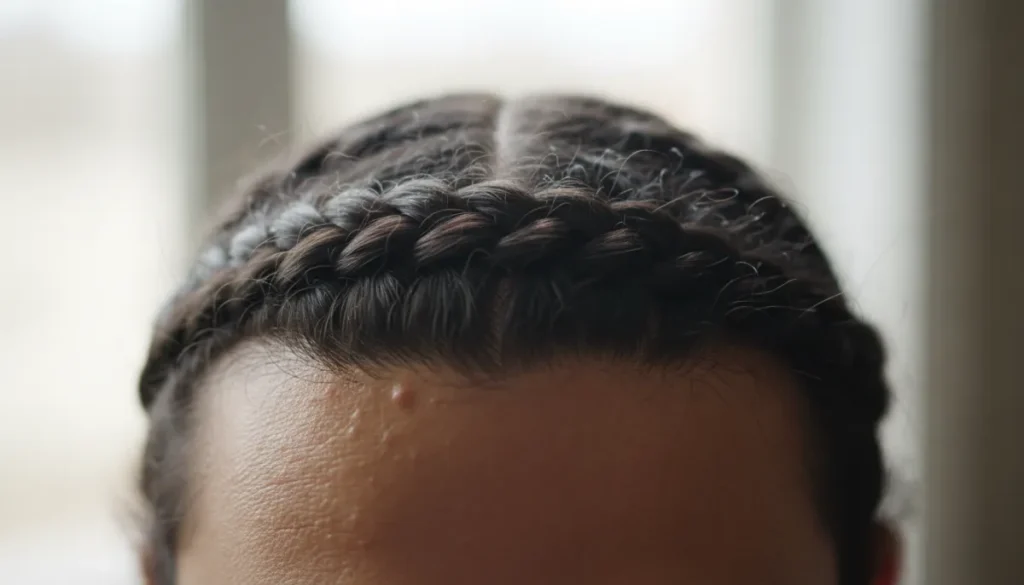
Recognizing the Signs: Symptoms and Early Detection
Identifying traction alopecia early can prevent irreversible follicle damage. Typical symptoms include:
- Gradual thinning along the hairline or at the temples.
- Small, round bald patches that correspond to the area of tension.
- Scalp tenderness or itching in the affected zones.
- Redness or mild inflammation around the hair follicles.
These signs often mimic other forms of alopecia, making a thorough clinical evaluation essential. Dermatologists may use a trichoscopy (scalp dermoscopy) to assess follicular health and differentiate traction alopecia from conditions like alopecia areata or diffuse hair thinning.
Below is a quick reference table to help distinguish traction alopecia from common hair‑loss disorders:
| Condition | Typical Pattern | Key Indicators |
|---|---|---|
| Traction Alopecia | Localized, tension‑related patches | History of tight hairstyles, scalp tenderness |
| Male Pattern Baldness | Receding hairline, vertex thinning | Genetic predisposition, progressive pattern |
| Alopecia Areata | Round, smooth bald spots | Autoimmune origin, sudden onset |
If you notice any of these symptoms, especially after a period of consistent styling that puts tension on your hair, it is advisable to consult a specialist promptly.
Risk Factors and Prevention Strategies
While anyone can develop traction alopecia, certain habits increase the risk for men. Understanding these factors enables proactive prevention.
Major risk factors include:
- Consistently wearing hairstyles that pull the hair tightly.
- Using heavy helmets, caps, or sports headgear without proper padding.
- Frequent use of strong hair gels or adhesives that increase tension.
- Underlying scalp conditions that weaken follicular attachment.
Preventive measures are straightforward and can be incorporated into daily routines:
- Loosen hairstyles: Opt for looser braids or let hair down when possible.
- Rotate headgear: Use breathable, well‑fitted equipment and alternate wearing schedules.
- Gentle grooming: Avoid aggressive brushing; use a wide‑tooth comb.
- Scalp care: Keep the scalp clean and moisturized to reduce inflammation.
- Regular check‑ups: Schedule routine consultations with a hair‑health specialist.
Implementing these strategies not only reduces the chance of developing traction alopecia men but also supports overall hair vitality, helping to combat other forms of hair thinning and baldness.
Treatment Options: Medical, Cosmetic, and Surgical
When traction alopecia men progresses despite preventive efforts, a range of treatment modalities can restore hair growth and improve scalp health. The choice of therapy depends on the severity of follicular damage, patient preferences, and overall health.
Medical approaches typically involve anti‑inflammatory agents and topical solutions to stimulate follicles:
- Topical corticosteroids to reduce scalp inflammation.
- Minoxidil (Rogaine) to encourage regrowth in early‑stage patches.
- Platelet‑rich plasma (PRP) injections to deliver growth factors.
Cosmetic solutions focus on concealing thinning areas while the scalp recovers:
- Hair fibers or powders that match natural hair color.
- Low‑level laser therapy (LLLT) devices for non‑invasive stimulation.
- Scalp microneedling to enhance product absorption.
For advanced cases where follicular scarring has occurred, surgical options become viable:
| Procedure | Best For | Recovery Time | Typical Outcome |
|---|---|---|---|
| Follicular Unit Extraction (FUE) | Permanent bald patches | 7‑10 days | Natural‑looking hair growth |
| Scalp Micropigmentation | Cosmetic camouflage | 2‑3 sessions | Illusion of density |
| Hair Transplant (DHI) | Severe follicular loss | 10‑14 days | Long‑term restoration |
Gold City Medical Center offers a multidisciplinary approach, combining medical therapies with cutting‑edge hair‑transplant techniques to achieve optimal results for traction alopecia men.
Managing Hair Health After Treatment
Successful treatment is only the first step; maintaining healthy hair after therapy requires ongoing care. Post‑treatment protocols aim to protect newly transplanted follicles and encourage robust growth.
Key recommendations include:
- Gentle washing: Use a mild, sulfate‑free shampoo for the first two weeks.
- Avoid tension: Refrain from tight hairstyles for at least three months.
- Nutrition: Incorporate a balanced diet rich in protein, iron, and omega‑3 fatty acids.
- Supplements: Consider biotin or vitamin D under medical guidance.
- Follow‑up visits: Schedule regular assessments to monitor progress and adjust treatment as needed.
Adhering to these guidelines helps prevent recurrence of traction alopecia men and supports overall scalp resilience, reducing the likelihood of other hair‑loss conditions such as androgenetic alopecia.
Why Choose Gold City Medical Center
Gold City Medical Center combines integrative medical expertise with advanced cosmetic and hair‑restoration technologies. Our team of board‑certified dermatologists, trichologists, and surgical specialists collaborates to deliver personalized treatment plans for traction alopecia men. With a commitment to evidence‑based care, state‑of‑the‑art facilities, and a patient‑first approach, we ensure safe, effective outcomes that restore confidence and scalp health.
Ready to reclaim a fuller, healthier hairline? Contact Gold City Medical Center today to schedule a comprehensive scalp evaluation and discover the most suitable solution for your needs.
Take the first step toward lasting hair restoration—our specialists are here to guide you every step of the way.
FAQ
What is traction alopecia in men and how does it differ from male pattern baldness?
Traction alopecia in men is hair loss caused by chronic pulling or tension on the scalp, often from tight hairstyles or headgear. Unlike male pattern baldness, it appears in irregular patches that match areas of tension.
What are the early signs and symptoms of traction alopecia for men?
Early signs include gradual thinning along the hairline or temples, small round bald patches, scalp tenderness, and mild redness or inflammation.
How can men prevent traction alopecia caused by tight hairstyles?
Prevention includes loosening hairstyles, rotating headgear, using gentle grooming tools, keeping the scalp clean and moisturized, and scheduling regular check‑ups.
What medical treatments are available for traction alopecia in men?
Medical options include topical corticosteroids, minoxidil, and platelet‑rich plasma (PRP) injections to reduce inflammation and stimulate hair regrowth.
When is surgical intervention necessary for traction alopecia and what options exist?
Surgery is considered when scarring has occurred; options include Follicular Unit Extraction (FUE), scalp micropigmentation, and DHI hair transplant.
How should hair be cared for after treatment for traction alopecia?
Post‑treatment care includes gentle washing, avoiding tight hairstyles, proper nutrition, supplements if advised, and regular follow‑up visits.
Can traction alopecia be reversed if caught early?
Yes, early-stage traction alopecia can often be reversed by stopping the pulling habit and using appropriate medical treatments.





