Everyone notices strands on their pillow, in the shower, or on a brush, but normal hair fall daily is often misunderstood. While it can be unsettling to see hair on a comb, shedding a certain amount each day is a natural part of the hair growth cycle. In this article we will explain how many hairs are typically lost, what influences that number, and when the shedding may signal a deeper concern. Knowing the baseline helps you differentiate between healthy turnover and early signs of alopecia, telogen effluvium, or other conditions that require professional attention.
Studies show that the average person loses between 50 and 100 hairs per day, a range that accommodates variations in age, gender, genetics, and lifestyle. This seemingly small number can accumulate over weeks, creating the impression of excessive loss even when it falls within normal limits. By the end of this guide you will be able to assess your own shedding pattern, recognize red‑flag symptoms, and adopt strategies to support robust hair health.
Whether you are a man noticing thinning at the crown, a woman concerned about a widening part, or simply curious about the science behind daily shedding, the information below is tailored to give you clear, actionable insight.
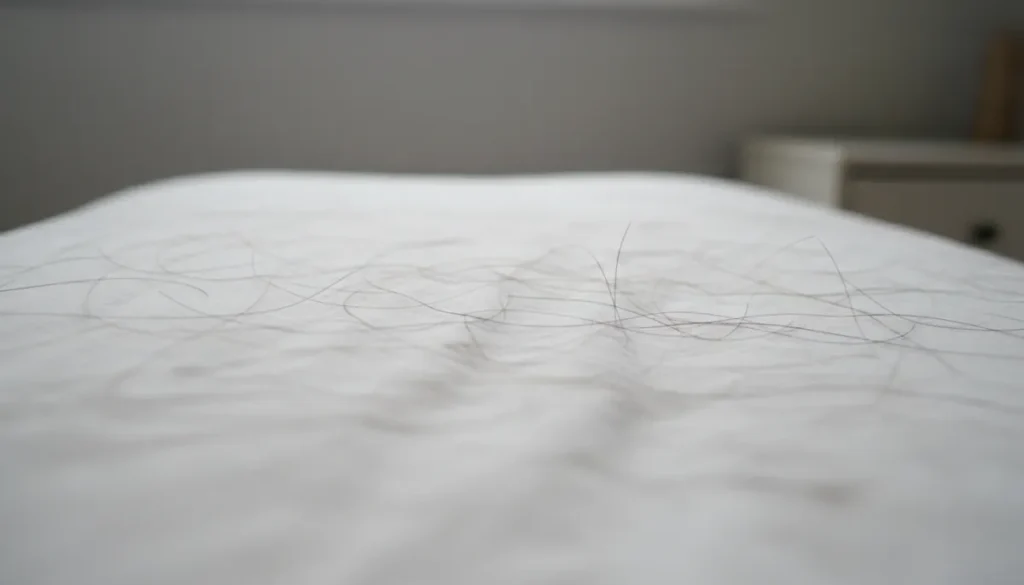
How Much Hair Is Considered Normal?
Understanding the baseline of normal hair fall daily begins with the biology of the hair cycle. Each hair follicle moves through three phases: anagen (growth), catagen (transition), and telogen (rest). Approximately 10% of follicles are in the telogen phase at any given time, and these are the hairs that are shed.
Below is a concise summary of average daily loss based on age and gender:
| Age Group | Average Daily Hair Loss (Men) | Average Daily Hair Loss (Women) |
|---|---|---|
| 20‑30 years | 50‑80 hairs | 45‑70 hairs |
| 31‑50 years | 70‑100 hairs | 60‑90 hairs |
| 51+ years | 90‑120 hairs | 80‑110 hairs |
These figures are averages; individual variation is normal. For example, people with thicker hair may notice more strands simply because each follicle produces a larger shaft. Seasonal changes also affect shedding—many experience a slight increase in autumn, a phenomenon known as “seasonal telogen effluvium.”
When the number consistently exceeds the upper range, or when you notice clumps of hair on a brush or in the shower, it may be time to evaluate other factors such as stress, diet, or hormonal shifts.
Factors That Influence Daily Hair Shedding
While the average range provides a useful benchmark, many variables can shift the amount of hair you lose each day. Understanding these factors helps you pinpoint why your shedding might be higher or lower than expected.
- Genetics: Family history of androgenic alopecia (male or female pattern baldness) can predispose you to higher daily loss.
- Hormonal changes: Pregnancy, menopause, thyroid disorders, and androgen fluctuations directly affect the hair cycle.
- Nutrition: Deficiencies in iron, zinc, biotin, or protein can weaken hair shafts, leading to increased telogen entry.
- Stress: Physical or emotional stress can trigger telogen effluvium, where a large number of hairs enter the resting phase simultaneously.
- Medications: Certain drugs, such as anticoagulants, retinoids, and chemotherapy agents, are known to cause temporary shedding.
- Hair care practices: Over‑styling, tight hairstyles, and harsh chemicals can cause mechanical damage and accelerate loss.
- Medical conditions: Autoimmune diseases like alopecia areata, scalp infections, and chronic illnesses may increase daily shedding.
It is common for people to attribute occasional spikes in hair loss to a single cause, but often a combination of factors is at play. For instance, a person with a marginal iron deficiency who also experiences high stress may notice a noticeable rise in daily shedding beyond the typical 50‑100 hairs.
Tracking your lifestyle alongside your hair loss pattern can provide valuable clues for a healthcare professional. Maintaining a balanced diet rich in omega‑3 fatty acids, staying hydrated, and managing stress through mindfulness or exercise are practical steps that support a healthy hair cycle.
When Hair Loss May Indicate an Underlying Issue
Even though normal hair fall daily can reach up to 100 strands, certain patterns suggest that the shedding is more than just routine turnover. Recognizing these warning signs early can lead to timely diagnosis and treatment.
| Warning Sign | Possible Underlying Condition | Recommended Action |
|---|---|---|
| Sudden increase to >150 hairs/day | Telogen effluvium, severe stress, medication side‑effect | Consult a dermatologist or trichologist |
| Patchy bald spots | Alopecia areata, fungal infection | Dermatological evaluation, possible biopsy |
| Thinning at the crown or frontal hairline | Androgenic alopecia, hormonal imbalance | Hormone panel, discuss treatment options |
| Itchy, flaky scalp with hair loss | Dandruff, psoriasis, seborrheic dermatitis | Scalp treatment, possibly medicated shampoo |
| Hair loss accompanied by weight loss, fatigue | Thyroid disorder, anemia, systemic illness | Full medical work‑up, blood tests |
Other red‑flag symptoms include persistent shedding that lasts longer than six months, a noticeable change in hair texture (e.g., becoming finer or more brittle), and excessive shedding after a major life event such as surgery or childbirth. In such cases, professional assessment is crucial because early intervention can prevent permanent follicular damage.
Diagnostic tools may include a pull test, scalp dermoscopy, blood work, and in some cases, a scalp biopsy. These evaluations help differentiate between temporary shedding and progressive hair loss conditions that may benefit from medical therapies such as minoxidil, finasteride, platelet‑rich plasma (PRP) injections, or hair transplant surgery.
Common Myths About Daily Hair Loss
Misconceptions about hair shedding can cause unnecessary anxiety. Below are some of the most prevalent myths and the facts that dispel them.
- Myth: “If I wash my hair more often, I’ll lose more hair.”
Fact: Shampooing does not increase the number of hairs shed; it merely removes loose hairs that would fall out anyway. - Myth: “Wearing hats or helmets causes baldness.”
Fact: Tight headwear can cause traction alopecia, but normal, loose‑fitting hats have no impact on daily shedding. - Myth: “Only men experience significant hair loss.”
Fact: Women also experience androgenic alopecia and can lose up to 100 hairs per day; the pattern often appears as diffuse thinning rather than a receding hairline. - Myth: “If I cut my hair, it will grow back thicker.”
Fact: Hair cutting removes only the shaft; it does not affect follicle activity or density. - Myth: “All hair loss is hereditary.”
Fact: While genetics play a major role, lifestyle, nutrition, stress, and medical conditions are equally influential.
Understanding these truths helps you focus on evidence‑based solutions rather than ineffective home remedies. If you still feel uncertain about your shedding pattern, a professional evaluation can clarify whether you are within the normal range or need targeted treatment.
Managing Healthy Hair Growth and Reducing Excess Shedding
Even if your shedding falls within the normal range, adopting supportive habits can optimize the health of each follicle and potentially lower the upper end of daily loss.
- Balanced Nutrition: Prioritize protein, iron, vitamin D, and B‑complex vitamins. Foods such as salmon, lentils, leafy greens, and eggs provide essential building blocks.
- Gentle Hair Care: Use a sulfate‑free shampoo, avoid excessive heat styling, and limit tight ponytails or braids that create tension.
- Scalp Stimulation: Regular scalp massage improves blood flow. Consider low‑level laser therapy (LLLT) devices approved for home use.
- Stress Management: Incorporate mindfulness, yoga, or regular aerobic exercise to mitigate stress‑induced telogen shifts.
- Medical Check‑ups: Annual blood work can catch iron deficiency, thyroid imbalance, or hormonal changes before they manifest as noticeable hair loss.
- Professional Treatments: For those seeking proactive solutions, options include PRP therapy, low‑dose oral medications, and, when appropriate, hair transplant procedures performed by experienced specialists.
Consistency is key. Most lifestyle adjustments take 3‑6 months to reflect in visible hair density, as the hair cycle naturally requires time for new growth to emerge. Monitoring progress with a simple daily log—recording the number of hairs found on a pillow or brush—can help you gauge the effectiveness of your regimen.
If you notice that despite diligent care your shedding consistently exceeds 100 hairs per day, or you develop other symptoms listed in the earlier warning‑sign table, seeking expert advice is the prudent next step.
Why Choose Gold City Medical Center for Hair Care
Gold City Medical Center combines cutting‑edge medical expertise with a holistic approach to hair health. Our team of dermatologists, trichologists, and hair transplant surgeons works together to deliver personalized treatment plans that address the root cause of excessive shedding. From comprehensive diagnostic testing to state‑of‑the‑art PRP therapy and advanced follicular unit extraction (FUE) techniques, we ensure each patient receives evidence‑based care in a comfortable, integrative environment.
Choosing us means accessing a trusted center where medical rigor meets aesthetic excellence, helping you achieve sustainable, natural‑looking results.
Ready to take control of your hair health? Contact Gold City Medical Center today for a personalized consultation and discover the best path to healthier, fuller hair.
Call us or fill out our online form to schedule your appointment—your journey to confidence starts now.
FAQ
How many hairs are normal to lose each day?
Most people lose between 50 and 100 hairs daily, depending on age, gender and individual factors.
What factors can increase daily hair shedding?
Genetics, hormonal changes, nutrition deficiencies, stress, medications, harsh hair care, and medical conditions can all raise shedding.
When should I see a doctor for hair loss?
Consult a professional if you lose more than 150 hairs a day, notice clumps, sudden thinning, scalp irritation, or accompanying systemic symptoms.
What are common myths about daily hair loss?
Myths include that washing hair increases loss, hats cause baldness, only men lose hair, cutting hair makes it grow thicker, and all loss is hereditary.
How can diet affect hair shedding?
A balanced diet rich in protein, iron, zinc, biotin, omega‑3s and vitamins supports follicle health and can reduce excessive shedding.
What treatments are available for excessive hair loss?
Options include topical minoxidil, oral finasteride, low‑level laser therapy, PRP injections, and hair transplant surgery, depending on the cause.





