Hair loss therapy has become a central focus for millions seeking to restore confidence and natural appearance. In this article we explore the most reliable treatments, cutting‑edge technologies, and lifestyle strategies that together create a comprehensive plan for hair regrowth.
Whether you are dealing with early thinning or advanced baldness, understanding the underlying causes is essential. Studies show that up to 40 % of men and 21 % of women experience noticeable hair loss by the age of 35, making timely intervention crucial.
We will walk you through the science behind hair loss, review proven medical options, introduce innovative procedures such as platelet‑rich plasma (PRP) and low‑level laser therapy, and share practical tips to maximize results. By the end, you will have a clear roadmap to choose the right hair loss therapy for your unique situation.
Understanding Hair Loss: Causes and Types
Hair loss is not a one‑size‑fits‑all condition; it stems from a blend of genetic, hormonal, and environmental factors. The most common form, androgenetic alopecia, is driven by the hormone dihydrotestosterone (DHT) which shortens the hair growth cycle, leading to thinner strands and eventual balding.
Other contributors include:
- Autoimmune disorders such as alopecia areata, where the immune system attacks hair follicles.
- Thyroid imbalances that disrupt the normal hair growth cycle.
- Stress‑induced telogen effluvium, causing a sudden shedding of hair.
- Nutritional deficiencies, particularly iron, zinc, and vitamin D.
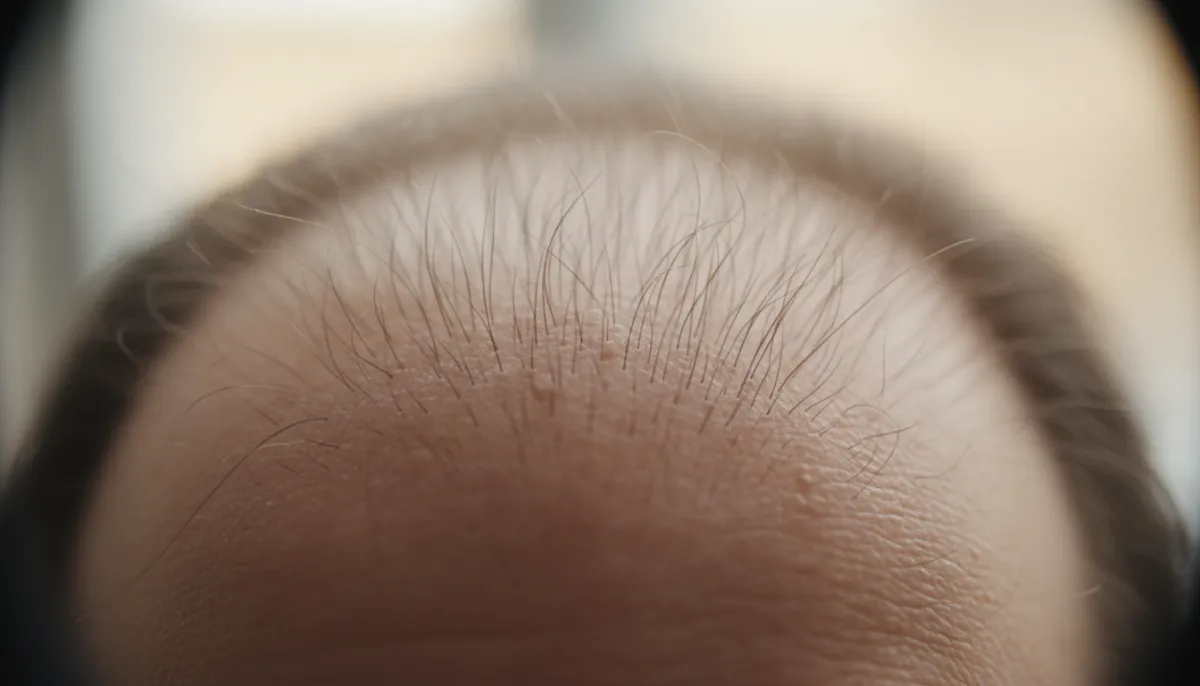
Identifying the specific type of hair loss is the first step toward effective hair loss therapy. A thorough dermatological assessment can differentiate between pattern baldness, diffuse thinning, and scarring alopecia, allowing clinicians to tailor treatment plans.
Medical Treatments for Hair Loss Therapy
Traditional medical approaches remain the backbone of hair loss therapy. They target the hormonal pathways and inflammatory processes that cause follicular miniaturization.
Finasteride for hair loss is an oral prescription that inhibits the conversion of testosterone to DHT, slowing down hair thinning and often promoting regrowth in the crown area. For women, low‑dose oral spironolactone can provide similar benefits by blocking androgen receptors.
Topical solutions, such as minoxidil, are widely available over the counter. They work by prolonging the anagen (growth) phase of the hair cycle, resulting in thicker strands over time. Combining oral and topical agents can enhance outcomes, especially in early‑stage pattern baldness.
| Medication | Mechanism | Typical Use | Potential Side Effects |
|---|---|---|---|
| Finasteride (1 mg) | DHT inhibition | Male pattern baldness, crown area | Sexual dysfunction, rare breast tenderness |
| Minoxidil (5 % foam) | Vasodilation, prolonged anagen | All genders, vertex thinning | Scalp irritation, unwanted facial hair |
| Spironolactone (50 mg) | Androgen receptor blockade | Female pattern hair loss | Electrolyte imbalance, menstrual changes |
In addition to pharmaceuticals, hair growth products enriched with peptides, biotin, and caffeine can support follicle health. While they are not a standalone cure, they complement medical therapy by improving scalp microcirculation.
Advanced Technologies: PRP, Laser, and Stem Cell Options
For patients seeking minimally invasive solutions, advanced technologies have expanded the horizons of hair loss therapy. Platelet‑rich plasma (PRP) therapy involves drawing a small amount of the patient’s blood, concentrating the platelets, and injecting them into the scalp. Growth factors released by platelets stimulate dormant follicles and improve vascular supply.
Low‑level laser therapy (LLLT) utilizes red light wavelengths (typically 630‑670 nm) to energize cellular metabolism within the hair follicle. Clinical trials demonstrate that consistent LLLT sessions can increase hair density by up to 30 % after six months.
Emerging stem cell treatments aim to regenerate hair follicles from the source. Autologous stem cell extracts, harvested from a patient’s own tissue, are applied to the scalp to encourage new follicle formation. Although still investigational, early studies show promising regrowth in both men and women.
- PRP Therapy: 3‑4 sessions spaced a month apart, followed by maintenance every 6‑12 months.
- Laser Caps/Combs: Daily 15‑minute sessions, safe for home use.
- Stem Cell Injections: Typically part of a clinical trial or specialized clinic protocol.
Choosing the right technology depends on hair loss severity, budget, and personal preference. Combining these modalities with traditional medication often yields the most robust results.
Integrative Approach: Combining Hair Growth Products and Lifestyle
Modern hair loss therapy recognizes that medication and technology work best when paired with supportive lifestyle habits. Nutrient‑rich diets provide the building blocks for keratin production, the protein that forms hair strands.
Key nutrients include:
- Biotin – supports keratin synthesis.
- Vitamin D – regulates hair follicle cycling.
- Iron – essential for oxygen transport to follicles.
- Omega‑3 fatty acids – reduce inflammation and improve scalp health.
In addition to diet, stress management techniques such as mindfulness meditation, regular exercise, and adequate sleep (7‑9 hours) can lower cortisol levels, a hormone linked to telogen effluvium.
Topical hair growth supplements like caffeine‑infused serums and peptide‑rich tonics can be applied after washing to enhance absorption of active ingredients. When used alongside finasteride or minoxidil, they create a synergistic environment for follicle revitalization.
| Supplement | Primary Benefit | Suggested Use |
|---|---|---|
| Biotin 5 000 µg | Strengthens hair shaft | Daily oral capsule |
| Vitamin D3 2000 IU | Regulates hair cycle | Morning with food |
| Iron (Ferrous Sulfate) 18 mg | Improves oxygen delivery | Evening with vitamin C |
| Omega‑3 Fish Oil 1000 mg | Reduces scalp inflammation | With meals, twice daily |
By integrating medical, technological, and lifestyle components, patients achieve a holistic hair loss therapy plan that addresses root causes and promotes sustainable regrowth.
Post‑Treatment Care and Maintenance
Successful hair loss therapy does not end with the last clinic visit. Ongoing maintenance ensures that newly grown hair remains healthy and that further loss is minimized.
Key post‑treatment practices include:
- Gentle Hair Care: Use sulfate‑free shampoos, avoid excessive heat styling, and limit tight hairstyles that cause traction alopecia.
- Regular Follow‑Ups: Schedule quarterly check‑ins with a dermatologist to monitor progress and adjust medications if needed.
- Scalp Stimulation: Incorporate scalp massage or microneedling to improve blood flow and enhance product absorption.
- Seasonal Adjustments: In colder months, protect the scalp from dryness with moisturising conditioners and humidifiers.
For patients who have undergone a hair transplant, adhering to post‑operative instructions—such as keeping the graft area clean and avoiding direct sun exposure for the first two weeks—is critical for graft survival.
Finally, setting realistic expectations and tracking results with photographs every 4‑6 weeks helps maintain motivation and allows clinicians to fine‑tune the regimen.
Why Choose Gold City Medical Center
Gold City Medical Center combines extensive medical expertise with a personalized, integrative approach to hair restoration. Our team of board‑certified dermatologists and hair‑transplant surgeons stays at the forefront of research, offering evidence‑based treatments such as finasteride, PRP, and advanced laser therapy. By blending clinical precision with supportive lifestyle guidance, we create tailored plans that address each patient’s unique pattern of hair loss. Trust a center where safety, innovation, and lasting results are the standard.
Ready to start your journey toward fuller, healthier hair? Contact Gold City Medical Center today to schedule a comprehensive consultation and discover the most effective hair loss therapy for you.
FAQ
What are the most common causes of hair loss?
Hair loss is usually caused by genetics, hormones (especially DHT), thyroid issues, stress, autoimmune disorders, and nutrient deficiencies.
How does finasteride work for hair loss therapy?
Finasteride blocks the conversion of testosterone to DHT, reducing follicle miniaturization and slowing hair thinning.
What is PRP therapy and how effective is it for hair regrowth?
PRP therapy injects concentrated platelets into the scalp to release growth factors that stimulate dormant follicles, showing moderate to strong results in many patients.
Can low‑level laser therapy help with hair thinning?
Yes, low‑level laser therapy (LLLT) uses red light to boost cellular metabolism in follicles, leading to measurable increases in hair density.
Which nutrients are important for supporting hair growth?
Biotin, vitamin D, iron, and omega‑3 fatty acids are key nutrients that support keratin production, follicle cycling, and scalp health.
What post‑treatment care is recommended after hair loss therapy?
Gentle hair care, regular dermatologist follow‑ups, scalp stimulation, and seasonal scalp protection are essential for maintaining results.





