Alopecia in children can be a distressing condition for both the youngster and their family. This article explores the underlying causes, how to recognize early signs, the diagnostic pathway, and the most up‑to‑date treatment options available. According to pediatric dermatology studies, hair loss affects roughly 2% of children worldwide, making early intervention essential.
We will discuss why hair loss occurs at a young age, differentiate between common forms such as alopecia areata and other types of hair thinning, and outline practical steps parents can take. By understanding the condition, you can reduce anxiety, support your child’s emotional health, and work effectively with healthcare professionals.
Throughout the guide, you will find clear explanations, helpful lists, and a comparison table to aid decision‑making. Whether you are a concerned parent or a caregiver seeking reliable information, this resource aims to empower you with knowledge and confidence.
Causes and Risk Factors
Several factors can trigger alopecia in children, ranging from genetic predisposition to environmental influences. The most prevalent forms include:
- Alopecia areata – an autoimmune condition where the immune system mistakenly attacks hair follicles, leading to sudden patchy hair loss.
- Genetic or hereditary hair loss – often linked to androgenic alopecia, though less common in pre‑pubescent ages.
- Traction alopecia – caused by tight hairstyles such as braids, ponytails, or hair accessories that pull on the scalp.
- Nutritional deficiencies – insufficient iron, zinc, or vitamin D can weaken hair growth.
- Underlying medical conditions – thyroid disorders, eczema, and certain infections may contribute to hair loss.
Environmental stressors, such as harsh chemicals or frequent use of heat styling tools, can also exacerbate hair thinning. While occasional shedding is normal, persistent or rapidly spreading loss warrants professional evaluation.
| Cause | Typical Age of Onset | Key Indicator |
|---|---|---|
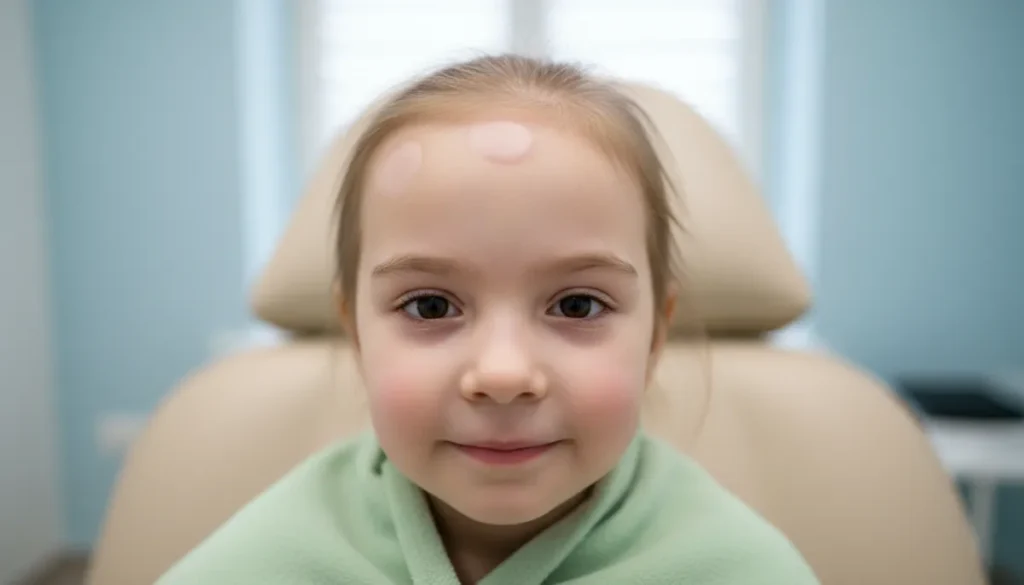
| Alopecia areata | 3‑12 years | Round, smooth bald patches |
| Traction alopecia | 5‑10 years | Hair loss along hairline or temples |
| Nutritional deficiency | Any age | Diffuse thinning, brittle hair |
| Thyroid disorder | Adolescence | Associated fatigue, weight changes |
Recognizing Symptoms and When to Seek Help
Early detection of alopecia in children can dramatically improve treatment outcomes. Parents should monitor for the following signs:
- Sudden appearance of one or more smooth, round bald spots.
- Gradual thinning across the entire scalp, often described as “hair shedding.”
- Itching, redness, or scaling around the affected area.
- Noticeable breakage or brittleness of existing hair.
- Emotional changes such as withdrawal, teasing at school, or reduced self‑esteem.
If any of these symptoms persist for more than a few weeks, it is advisable to schedule an appointment with a pediatric dermatologist or a qualified hair restoration specialist. Prompt evaluation helps differentiate benign shedding from conditions like alopecia areata that may require targeted therapy.
Diagnosis Process and Tests
Diagnosing alopecia in children involves a combination of visual assessment, medical history, and specific tests to rule out underlying causes. The typical workflow includes:
- Clinical examination – a dermatologist inspects the pattern of hair loss, checks for inflammation, and notes any associated skin conditions.
- Pull test – gently tugging a small bundle of hair to see how many strands come out, indicating active shedding.
- Blood work – tests for iron levels, thyroid function, vitamin D, and autoimmune markers to uncover systemic contributors.
- Scalp biopsy (rare) – in ambiguous cases, a tiny tissue sample may be taken to examine follicle health under a microscope.
- Trichoscopy – a non‑invasive dermatoscopic imaging technique that reveals follicular details, useful for distinguishing alopecia areata from other types.
These investigations are generally quick, minimally invasive, and provide essential data for tailoring an individualized treatment plan. Parents should prepare a list of any recent illnesses, medications, or dietary changes to share with the clinician.
Treatment Options and Management Strategies
Effective management of alopecia in children depends on the specific diagnosis, severity, and the child’s overall health. Common therapeutic approaches include:
- Topical corticosteroids – applied directly to patches to reduce inflammation and suppress the autoimmune response.
- Intralesional steroid injections – administered by a specialist for localized, stubborn lesions.
- Topical immunotherapy (e.g., diphenylcyclopropenone) – stimulates an allergic reaction that may redirect the immune system away from hair follicles.
- Oral medications – such as low‑dose oral steroids or JAK inhibitors in severe, refractory cases (under specialist supervision).
- Nutritional supplementation – iron, zinc, and vitamin D when deficiencies are identified.
- Low‑level laser therapy – non‑invasive light treatment that can promote follicular activity.
- Hair transplant – considered for older children or adolescents with stable, long‑term hair loss patterns, performed by certified surgeons.
In addition to medical treatment, gentle hair care practices are essential: use mild shampoos, avoid tight hairstyles, and limit heat styling. Regular follow‑up appointments allow clinicians to monitor progress and adjust therapy as needed.
Supporting Your Child’s Emotional Well‑Being
Hair loss can have a profound psychological impact on a young person. Children may experience embarrassment, bullying, or a decline in self‑confidence. Parents can help by fostering an open, supportive environment:
- Encourage honest conversations about feelings and concerns.
- Explore headwear options such as hats, scarves, or stylish wigs that the child feels comfortable wearing.
- Connect with support groups or counseling services specializing in pediatric dermatology.
- Promote activities that build self‑esteem unrelated to appearance, such as sports, arts, or academics.
- Collaborate with school staff to ensure a respectful, inclusive atmosphere.
Addressing the emotional dimension alongside medical treatment creates a holistic approach that improves overall outcomes and quality of life for the child.
Why Choose Gold City Medical Center
Gold City Medical Center combines cutting‑edge medical expertise with a compassionate, integrative approach to pediatric hair health. Our team of board‑certified dermatologists and hair restoration specialists offers personalized assessments, state‑of‑the‑art diagnostic tools, and a full spectrum of evidence‑based treatments—from topical therapies to advanced hair transplant techniques. We understand the unique concerns of children and their families, providing a supportive environment that prioritizes both physical results and emotional well‑being.
Ready to take the first step toward restoring your child’s confidence? Contact Gold City Medical Center today to schedule a comprehensive consultation and discover a tailored treatment plan that works.
FAQ
What are the common causes of alopecia in children?
Common causes include alopecia areata, genetic factors, traction alopecia, nutritional deficiencies, and underlying medical conditions such as thyroid disorders.
How can I recognize early symptoms of hair loss in my child?
Look for sudden smooth bald spots, diffuse thinning, itching or redness, brittle hair, and any emotional changes such as withdrawal or reduced self‑esteem.
When should I seek a dermatologist for my child’s alopecia?
Schedule an appointment if bald patches persist for more than a few weeks, if hair loss spreads rapidly, or if you notice associated skin changes or emotional distress.
What diagnostic tests are used to determine the type of alopecia in children?
Diagnosis typically involves a clinical exam, pull test, blood work for iron, thyroid and autoimmune markers, and sometimes trichoscopy or a scalp biopsy.
What treatment options are available for pediatric alopecia?
Treatments include topical corticosteroids, intralesional steroid injections, topical immunotherapy, oral medications, nutritional supplements, low‑level laser therapy, and hair transplant for older children.
How can I support my child’s emotional well‑being during hair loss?
Provide open communication, explore comfortable headwear or wigs, connect with support groups, encourage confidence‑building activities, and involve school staff for a respectful environment.





