Many patients ask do steroids cause hair loss when they consider anabolic or corticosteroid therapies. Understanding the link between steroid use and hair‑follicle health is essential because hair loss can affect self‑esteem and signal underlying hormonal changes. In this article we explore the biological mechanisms, identify the steroid types most often implicated, and provide practical guidance on prevention and treatment.
Hair loss affects up to 40 % of men and 30 % of women worldwide, and a significant portion of those cases is linked to medication or hormone fluctuations. Steroids, whether prescribed for inflammation or taken to enhance muscle mass, can alter the balance of androgens such as testosterone, a key driver of follicular miniaturisation. By the end of this guide you will know whether do steroids cause hair loss applies to your situation, and what steps you can take to protect your scalp.
We will cover the science behind steroid‑induced alopecia, compare different drug classes, and outline evidence‑based strategies to mitigate risk. Whether you are a patient, a caregiver, or a health‑conscious individual, the information here will help you make informed decisions about steroid therapy and hair health.
How Steroids Influence Hair Follicles
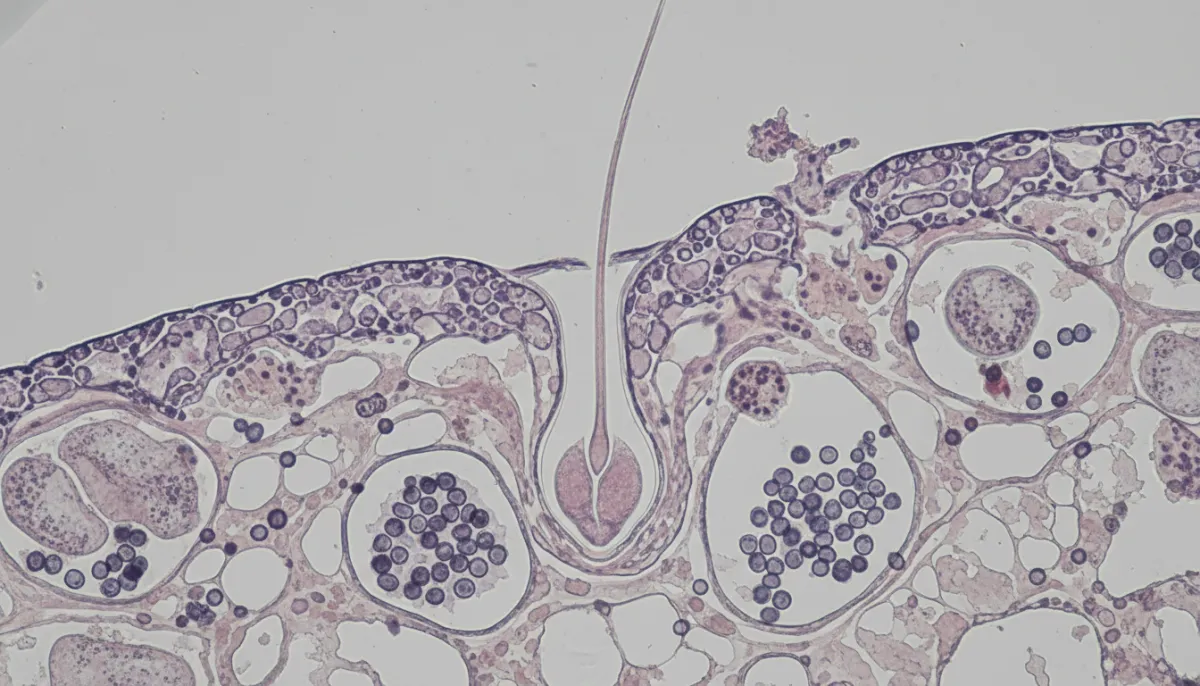
Steroids interact with hair follicles primarily through the androgen receptor pathway. When a steroid such as testosterone or a synthetic analogue binds to these receptors, it can accelerate the transition of thick, terminal hairs into finer, vellus hairs—a process known as follicular miniaturisation. This is the same mechanism that underlies male‑pattern baldness.
Research shows that elevated levels of dihydrotestosterone (DHT), a potent metabolite of testosterone, are closely associated with hair‑follicle shrinkage. Anabolic steroids increase systemic testosterone, which can be converted to DHT by the enzyme 5‑α‑reductase. Consequently, users may experience accelerated shedding, especially on the crown and frontal scalp.
In addition to androgenic effects, corticosteroids such as prednisone can trigger telogen effluvium, a temporary shedding phase that occurs after the body undergoes physiological stress. This type of hair loss is usually diffuse and reversible once the medication is tapered.
- Androgenic miniaturisation – driven by high testosterone/DHT levels.
- Telogen effluvium – caused by systemic stress from corticosteroids.
- Inflammatory alopecia – rare, linked to immune reactions to certain steroids.
Understanding these pathways clarifies why the simple question “do steroids cause hair loss” often yields nuanced answers. Not all steroids have the same impact, and individual susceptibility varies based on genetics, dosage, and treatment duration.
Common Steroid Types Associated with Hair Loss
Not every steroid has an equal propensity to cause alopecia. Below is a comparison of the most frequently prescribed or abused steroid categories and their typical impact on hair.
| Steroid Type | Typical Use | Hair‑Loss Risk | Key Example |
|---|---|---|---|
| Anabolic Steroids | Muscle building, performance enhancement | High (androgenic) | Anavar, Trenbolone |
| Corticosteroids (systemic) | Inflammation, autoimmune disorders | Moderate (telogen shift) | Prednisone, Dexamethasone |
| Topical Corticosteroids | Skin conditions, eczema | Low (localized) | Hydrocortisone cream |
| Androgenic Hormone Therapy (TRT) | Testosterone replacement | Variable (depends on dose) | Testosterone gel |
Among anabolic steroids, compounds like Anavar (oxandrolone) and Trenbolone are notorious for accelerating hair loss due to their strong androgenic activity. Conversely, topical corticosteroids used correctly for short periods rarely cause permanent alopecia, though misuse can lead to localized thinning.
Patients often wonder “does testosterone cause hair loss” or “can prednisone cause hair loss”. The answer depends on the context: systemic testosterone elevation does increase the likelihood of DHT‑driven balding, while prednisone may induce a temporary shedding phase. Understanding the specific drug helps clinicians tailor monitoring and preventive strategies.
Distinguishing Steroid‑Induced Hair Loss from Other Causes
Hair loss can stem from a multitude of factors, ranging from genetics to nutritional deficiencies. To answer “do steroids cause hair loss” accurately, clinicians must differentiate steroid‑related alopecia from other common forms such as androgenic alopecia, telogen effluvium unrelated to medication, and autoimmune conditions like alopecia areata.
Key diagnostic clues include the timing of shedding relative to steroid initiation, pattern of loss, and accompanying systemic symptoms. For instance, a sudden diffuse thinning two months after starting prednisone suggests telogen effluvium, whereas a receding hairline that progresses over years may be classic androgenic baldness, potentially exacerbated by anabolic steroid use.
Laboratory tests can further clarify the picture. Measuring serum testosterone, DHT, and thyroid hormones helps identify hormonal imbalances. In cases where patients report “does TRT cause hair loss”, a hormone panel can reveal whether testosterone levels are within a safe range or if supplemental therapy is amplifying existing susceptibility.
- Onset timing: rapid shedding after medication start → steroid‑related.
- Pattern: frontal recession vs. diffuse thinning.
- Associated symptoms: skin changes, systemic illness.
By mapping these factors, healthcare providers can decide whether the primary driver is the steroid itself or an underlying condition, guiding appropriate treatment pathways.
Managing and Preventing Hair Loss While Using Steroids
Even if steroids are medically necessary, proactive steps can reduce the risk of hair loss. Strategies include pharmacologic adjuncts, lifestyle modifications, and regular scalp monitoring.
Finasteride, a 5‑α‑reductase inhibitor, lowers DHT levels and is often prescribed to men experiencing androgenic hair loss. For patients asking “how to prevent hair loss while taking testosterone”, adding finasteride can mitigate the miniaturisation effect. Women may benefit from topical minoxidil, which promotes follicular blood flow and can counteract telogen effluvium.
Nutrition also plays a role. Adequate protein intake, iron, zinc, and biotin support hair‑shaft strength. Reducing stress through exercise and sleep hygiene helps curb cortisol spikes that can exacerbate shedding, especially when combined with corticosteroid therapy.
Regular follow‑up appointments allow clinicians to track hair density using trichoscopy or standardized photographs. Early detection of thinning enables timely intervention before irreversible loss occurs.
- Medication adjuncts: finasteride, minoxidil.
- Dietary support: protein, iron, zinc, biotin.
- Stress management: exercise, sleep, mindfulness.
- Monitoring: trichoscopy, photographic records.
Patients should always discuss any concerns with their prescribing physician. Asking “can steroids cause alopecia” opens a dialogue that can lead to personalized prevention plans.
When to Seek Professional Help for Steroid‑Related Hair Issues
If you notice persistent thinning, sudden shedding, or scalp irritation while on steroid medication, it is time to consult a specialist. Dermatologists and trichologists can perform a detailed assessment, differentiate between drug‑induced alopecia and other forms, and prescribe targeted therapies.
Key indicators that warrant an appointment include:
- Hair loss exceeding 100 strands per day for more than two weeks.
- Visible scalp inflammation or rash.
- Rapid progression of a receding hairline despite unchanged dosage.
- Psychological distress affecting daily life.
Early intervention improves outcomes. Treatments such as platelet‑rich plasma (PRP) therapy, low‑level laser therapy, or surgical hair transplantation can be considered when medical management is insufficient. Discussing “does prednisone cause hair loss” with a professional helps determine whether the corticosteroid should be tapered or substituted.
At Gold City Medical Center, our integrative approach combines medical expertise with cosmetic solutions, ensuring patients receive comprehensive care for both health and aesthetic concerns.
Why Choose Gold City Medical Center
Gold City Medical Center offers a multidisciplinary team skilled in endocrinology, dermatology, and cosmetic surgery. Our expertise in integrative healthcare means we assess hormone‑related hair loss holistically, providing personalized treatment plans that balance medical necessity with aesthetic outcomes. Whether you need hormone monitoring, advanced hair restoration, or supportive counseling, our centre delivers evidence‑based care in a welcoming environment.
Ready to protect your hair while receiving optimal steroid therapy? Contact Gold City Medical Center today to schedule a comprehensive scalp assessment and explore tailored prevention strategies.
Take the first step toward confident, healthy hair—call us or fill out our online consultation form now.
FAQ
Do steroids cause hair loss?
Yes, certain steroids can trigger hair loss through androgenic or stress‑related mechanisms.
Does testosterone cause hair loss?
Elevated testosterone can increase DHT, which may accelerate hair loss in susceptible individuals.
Can prednisone cause hair loss?
Prednisone can induce a temporary form of hair loss called telogen effluvium.
How can I prevent hair loss while taking testosterone?
Use a 5‑α‑reductase inhibitor like finasteride and maintain a healthy scalp routine.
What treatments are available for steroid‑induced hair loss?
Options include finasteride, minoxidil, PRP therapy, low‑level laser, and hair transplantation.
When should I see a specialist for steroid‑related hair issues?
Seek professional help if shedding exceeds 100 strands per day for two weeks or if you notice rapid thinning.





