Many people wonder, can you reverse traction alopecia, especially when tight hairstyles have left visible thinning or bald patches. Traction alopecia is a form of hair loss caused by prolonged pulling forces on the scalp, and it can affect anyone who frequently wears braids, ponytails, or extensions. Understanding the condition, recognizing early signs, and acting quickly are essential steps toward recovery. In this article we explore the science behind traction alopecia, discuss realistic expectations for regrowth, and outline effective treatments that can help you restore a healthier hairline.
Statistics from dermatology clinics show that up to 30 % of patients with hair‑related complaints have some degree of traction‑induced damage. The good news is that, unlike some permanent forms of alopecia, traction alopecia often responds to early intervention and proper care. However, the success of reversal depends on factors such as the duration of tension, the severity of follicular damage, and individual scalp health.
We will guide you through the causes, the healing timeline, proven remedies, and the point at which professional assistance becomes crucial. Whether you are dealing with subtle thinning at the hairline or more extensive loss, the information below will help you make informed decisions and set realistic expectations for hair regrowth.
Understanding Traction Alopecia: Causes and Early Signs
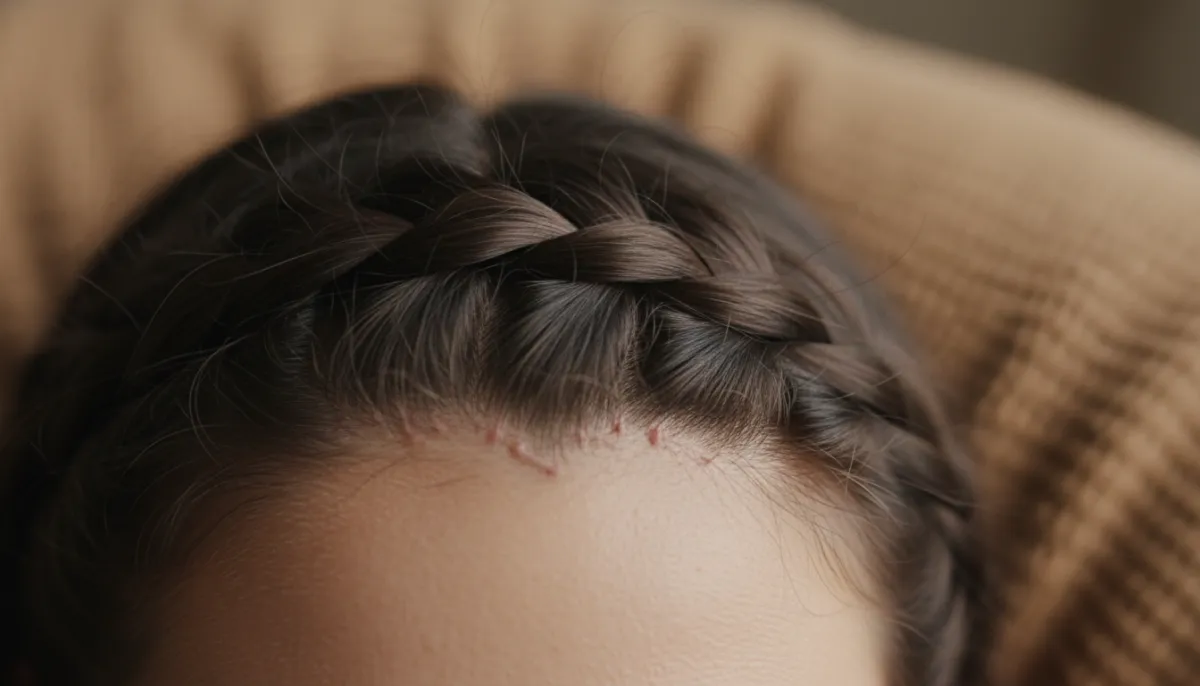
Traction alopecia develops when constant tension damages hair follicles, leading to inflammation and eventual hair loss. Common culprits include tight braids, low‑ponytails, hair extensions, and even certain headwear that pulls on the scalp. The condition is often mistaken for other types of hair loss, but its hallmark is a pattern that follows the line of tension.
- Frequent use of tight hairstyles (braids, cornrows, dreadlocks)
- Hair accessories that exert pressure (elastic bands, metal clips)
- Regular use of heavy extensions or weaves
- Headgear that compresses the scalp (sports helmets, turbans)
Early signs may appear as:
- Gradual thinning along the hairline or temples
- Redness, itching, or soreness in the affected area
- Small, smooth patches where hair no longer grows
- Increased breakage when styling
| Cause | Typical Location | Early Indicator |
|---|---|---|
| Low‑ponytail | Posterior scalp | Thinning at the nape |
| Tight braids | Frontal hairline | Receding hairline |
| Hair extensions | Sideburns & temples | Patchy loss near extensions |
Recognizing these signs early gives you the best chance to halt progression and start the reversal process. If you notice any of these symptoms, consider loosening your hairstyles and giving your scalp a break.
Is Traction Alopecia Reversible? Science and Timeline
The short answer to can you reverse traction alopecia is: it depends on the stage of damage. In the early phases—often referred to as “stage 1” or “stage 2”—the follicles are still viable, and removing the source of tension can allow natural regrowth within weeks to months. Studies show that when the offending hairstyle is discontinued, visible improvement can begin as early as 3 months, with full regrowth taking up to a year for some individuals.
When the condition advances to “stage 3” or “stage 4,” fibrosis and permanent scarring may have set in, reducing the likelihood of spontaneous regrowth. At this point, medical interventions such as topical minoxidil, low‑level laser therapy, or even hair transplantation become necessary to achieve noticeable results.
Typical Healing Timeline
- 0–3 months: Scalp inflammation subsides; new vellus hairs may appear.
- 3–6 months: Fine hairs thicken; visible reduction in bald patches.
- 6–12 months: Mature hair shafts replace vellus hairs; full density may be restored if follicles remain healthy.
- 12+ months: If no improvement, consider professional assessment for possible scarring.
Answering the question “how long for traction alopecia to grow back” depends heavily on individual scalp health, age, and how quickly the tension is removed. Younger patients with robust blood flow often experience faster regrowth, while older individuals may need adjunct therapies to stimulate follicles.
Effective Treatments and Lifestyle Changes
When addressing the question of reversal, a combination of medical treatments and lifestyle adjustments yields the best outcomes. Below are evidence‑based options that dermatologists and hair‑restoration specialists frequently recommend.
- Scalp Massage & Gentle Cleansing: Improves blood circulation and reduces inflammation.
- Topical Minoxidil (5 %): Stimulates follicular activity and prolongs the growth phase.
- Low‑Level Laser Therapy (LLLT): Non‑invasive light treatment that promotes cellular metabolism.
- Platelet‑Rich Plasma (PRP) Injections: Delivers growth factors directly to the affected follicles.
- Hair Transplant (FUE or FUT): Considered when scarring has occurred and other methods fail.
In addition to these medical options, daily habits play a crucial role:
- Adopt loose hairstyles; avoid pulling tighter than a gentle ponytail.
- Limit the use of heavy extensions to no more than 8 weeks.
- Use sulfate‑free, moisturizing shampoos to keep the scalp supple.
- Protect the scalp at night with silk pillowcases to reduce friction.
For those asking “traction alopecia remedy,” the most effective approach is a personalized plan that blends these treatments with consistent scalp care. A dermatologist can tailor the regimen based on the severity of follicular damage and your overall health.
When to Seek Professional Help: Role of Dermatologists
While many cases of early‑stage traction alopecia can improve with self‑care, certain signs indicate the need for specialist intervention. If you notice persistent bald patches after 6 months of eliminating tension, or if the scalp feels painful, scarred, or inflamed, schedule a consultation with a qualified dermatologist.
| Indicator | Recommended Action |
|---|---|
| No regrowth after 6 months | Dermatologist evaluation; consider minoxidil or PRP |
| Visible scarring or folliculitis | Medical treatment for inflammation; possible biopsy |
| Rapid thinning despite loose hairstyles | Hormonal assessment; comprehensive hair analysis |
A specialist can differentiate traction alopecia from other forms such as “friction alopecia” or “tension alopecia,” and can recommend advanced options like hair transplantation if necessary. The phrase “dermatologist for traction alopecia” is often searched by those ready to take the next step toward restoration.
Prevention and Long‑Term Hair Health
Preventing recurrence is as important as reversing existing damage. Simple adjustments to daily styling habits can safeguard your hair for years to come.
- Rotate hairstyles every few weeks to avoid prolonged pressure on the same area.
- Choose hair accessories made of fabric rather than metal.
- Limit the use of heat tools that can exacerbate follicular stress.
- Maintain a balanced diet rich in vitamins A, D, E, and biotin to support hair growth.
Answers to common concerns such as “do ponytails cause hair loss?” are nuanced: a loose, low‑tension ponytail is generally safe, whereas tight, high‑ponytails can contribute to traction alopecia over time. By staying mindful of tension levels and giving the scalp regular breaks, you can dramatically reduce the risk of future hair loss.
In summary, while the question “can you reverse traction alopecia” does not have a one‑size‑fits‑all answer, most individuals with early‑stage damage can experience substantial regrowth with proper care. For more advanced cases, medical interventions and, when appropriate, hair transplantation offer viable paths to restoration.
Why Choose Gold City Medical Center
Gold City Medical Center combines integrative medicine with cutting‑edge hair restoration expertise. Our multidisciplinary team offers personalized assessments, advanced treatments such as PRP and FUE transplantation, and comprehensive after‑care programs. By focusing on both medical and aesthetic outcomes, we ensure that every patient receives safe, effective solutions tailored to their unique hair health needs.
Ready to take control of your hair health? Contact Gold City Medical Center today for a confidential consultation and start your journey toward restored confidence.
FAQ
What is traction alopecia and what causes it?
Traction alopecia is hair loss caused by prolonged pulling on the scalp from tight hairstyles or accessories.
Can traction alopecia be reversed?
Yes, early‑stage traction alopecia can often be reversed with proper care, while advanced cases may need medical intervention.
How long does it take for hair to grow back after traction alopecia?
Hair regrowth can begin within 3 months and may take up to 12 months for full density, depending on individual factors.
What treatments are effective for reversing traction alopecia?
Effective options include scalp massage, topical minoxidil, low‑level laser therapy, PRP injections, and hair transplantation for severe cases.
When should I see a dermatologist for traction alopecia?
Consult a dermatologist if there is no regrowth after 6 months, if scarring appears, or if hair loss continues despite tension‑free styling.
How can I prevent traction alopecia in the future?
Rotate hairstyles, avoid tight accessories, limit extensions, use gentle hair care products, and maintain a balanced diet rich in hair‑supporting nutrients.





