Female hair loss scalp tenderness is a combination of two symptoms that many women overlook until the condition progresses. While occasional itching or mild discomfort is common, persistent tenderness paired with thinning hair can signal an underlying health issue that warrants professional attention.
In this article we will examine the most frequent causes of scalp tenderness and hair loss in women, describe how to recognize early warning signs, outline diagnostic procedures available at Gold City Medical Center, and present both medical and cosmetic treatment options. By the end you will have a clear roadmap for managing this uncomfortable condition and restoring a fuller, healthier head of hair.
Statistics show that up to 40 % of women experience noticeable hair thinning by the age of 40, and a significant portion also report scalp sensitivity. Understanding why these symptoms often appear together can empower you to seek timely care and prevent further progression.
Whether you are dealing with alopecia, folliculitis, or hormonal fluctuations, the information below will help you navigate the journey from diagnosis to effective treatment.
Common Causes of Scalp Tenderness and Hair Loss in Women
Several medical conditions can produce the dual symptoms of scalp tenderness and hair loss. Identifying the root cause is essential for selecting the most appropriate therapy.
Hormonal Factors
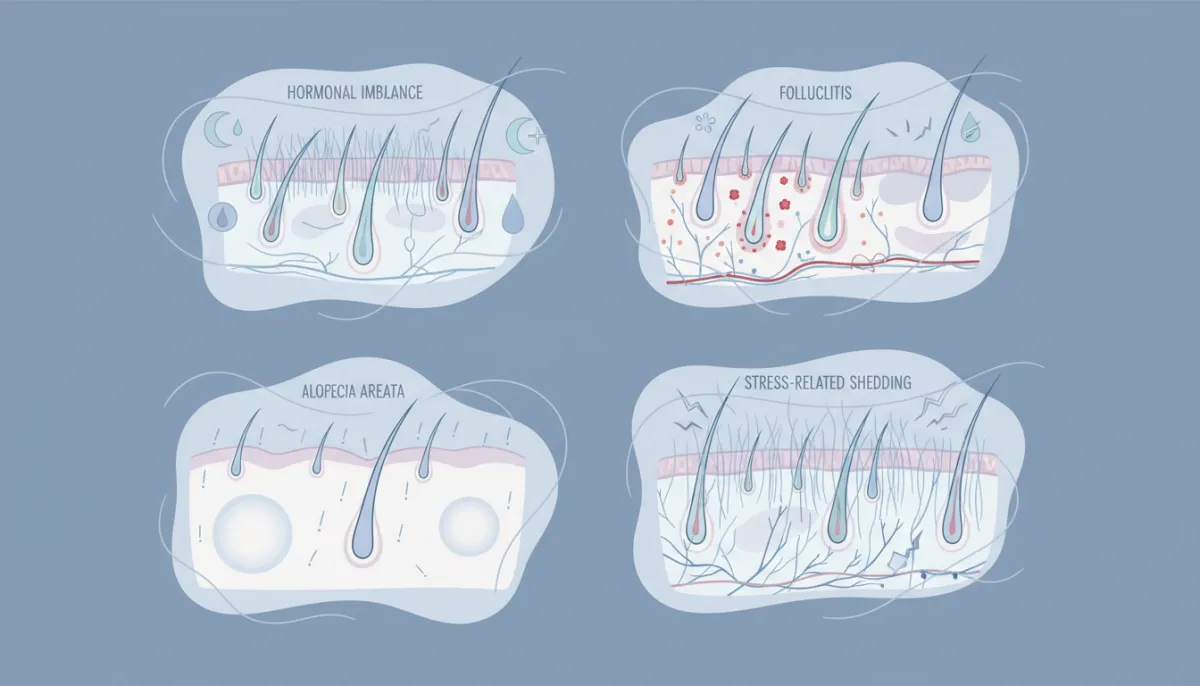
Hormonal imbalances, especially fluctuations in estrogen and progesterone, frequently lead to female pattern hair loss. Menopause, polycystic ovary syndrome (PCOS), and thyroid disorders can all trigger scalp sensitivity as the hair follicles become more vulnerable.
Inflammatory and Dermatologic Conditions
Inflammatory skin disorders such as folliculitis, seborrheic dermatitis, and alopecia areata often cause both tenderness and hair thinning. In folliculitis, bacterial infection inflames hair follicles, producing painful bumps that may eventually damage the shaft.
Stress‑Related Hair Loss
Psychological stress can precipitate telogen effluvium, a temporary shedding of hair that is often accompanied by a tingling or tender scalp. Chronic stress also weakens the immune response, making the scalp more prone to infection.
- Alopecia areata – autoimmune attack on hair follicles causing patchy loss.
- Folliculitis – bacterial infection leading to tender, inflamed bumps.
- Seborrheic dermatitis – oily, flaky scalp that can become sore.
- Hormonal shifts – menopause, PCOS, thyroid dysfunction.
- Stress‑induced telogen effluvium – diffuse shedding with scalp discomfort.
| Condition | Typical Hair Change | Scalp Sensation | Key Diagnostic Clue |
|---|---|---|---|
| Alopecia Areata | Patchy bald spots | Mild tenderness | Sudden round patches |
| Folliculitis | Localized thinning | Painful bumps | Red pustules around follicles |
| Hormonal Imbalance | Diffuse thinning | Generalized soreness | Irregular menstrual cycles |
| Telogen Effluvium | Shedding of 50‑100 hairs/day | Tingling or tightness | Recent major stressor |
Recognizing Early Signs and When to Seek Help
Early detection of scalp tenderness paired with hair thinning can dramatically improve treatment outcomes. Paying attention to subtle changes allows you to intervene before extensive follicular damage occurs.
Visual Indicators
Noticeable thinning along the crown, widening part lines, or small bald patches are classic signs. In alopecia areata, the patches are often round and smooth, while telogen effluvium typically presents as diffuse shedding across the entire scalp.
Sensory Changes
Persistent tenderness, burning, or a feeling of tightness that does not resolve with over‑the‑counter shampoos should be evaluated. If the scalp becomes painful to the touch or you develop pustules, an infection such as folliculitis may be developing.
- Gradual widening of the part line
- Round bald spots with smooth edges
- Persistent itching, burning, or tenderness
- Visible redness or pustules
- Sudden increase in hair shedding (more than 100 hairs per day)
| Symptom | Possible Condition | Urgency of Consultation |
|---|---|---|
| Localized tenderness with pustules | Folliculitis | Within 1‑2 weeks |
| Diffuse thinning and tingling | Telogen Effluvium | Within 1 month |
| Round bald patches | Alopecia Areata | Promptly, as early treatment improves outcomes |
| Scalp itching with flaky skin | Seborrheic Dermatitis | When symptoms persist >4 weeks |
Diagnostic Approaches at Gold City Medical Center
Accurate diagnosis combines visual inspection with targeted tests to uncover the underlying cause of female hair loss scalp tenderness. Our integrative team employs a step‑by‑step protocol to ensure no detail is missed.
Clinical Examination
During the initial visit, the physician evaluates the pattern of hair loss, palpates the scalp for tenderness, and checks for signs of inflammation or infection. A trichoscopic analysis provides magnified images of follicular health, revealing miniaturized hairs, broken shafts, or active inflammation.
Laboratory Tests and Imaging
Blood work can identify hormonal imbalances (thyroid panel, estrogen/progesterone levels), autoimmune markers (ANA, anti‑thyroid antibodies), and nutritional deficiencies (iron, vitamin D). In cases where scarring alopecia is suspected, a scalp biopsy may be performed.
- Thyroid function tests – TSH, free T4
- Hormone panel – estrogen, progesterone, testosterone
- Iron studies – ferritin, serum iron
- Autoimmune screen – ANA, anti‑dsDNA
- Scalp biopsy – histopathology for scarring alopecia
| Test | Purpose | Indicative Result |
|---|---|---|
| Thyroid Panel | Detect hypothyroidism or hyperthyroidism | Elevated TSH, low free T4 |
| Ferritin | Assess iron stores | Low ferritin (<30 ng/mL) |
| Hormone Panel | Identify estrogen or androgen imbalance | Low estrogen, high testosterone |
| Scalp Biopsy | Differentiate scarring vs non‑scarring alopecia | Evidence of follicular fibrosis |
Treatment Options: From Medical to Cosmetic Solutions
Once the cause of female hair loss scalp tenderness is identified, a personalized treatment plan can be assembled. Gold City Medical Center offers a spectrum of interventions, ranging from medication to advanced hair restoration techniques.
Medication and Topical Therapies
For inflammatory conditions such as folliculitis, topical antibiotics or antiseptic washes reduce bacterial load and soothe tenderness. In cases of alopecia areata, corticosteroid injections or topical immunotherapy can halt the autoimmune attack.
Hair Transplant and Regenerative Techniques
When hair density cannot be restored with medication alone, we recommend hair transplantation using follicular unit extraction (FUE) or platelet‑rich plasma (PRP) therapy to stimulate dormant follicles. These procedures are performed under local anesthesia, ensuring minimal discomfort and rapid recovery.
- Topical minoxidil – stimulates hair growth, reduces shedding
- Oral finasteride (off‑label for women) – blocks DHT production
- Corticosteroid injections – targets alopecia areata patches
- PRP therapy – delivers growth factors to the scalp
- FUE hair transplant – permanent restoration of hair density
| Treatment | Primary Use | Typical Sessions | Recovery Time |
|---|---|---|---|
| Minoxidil 5% | Diffuse thinning | Twice daily application | Minimal, skin irritation possible |
| Finasteride | Androgenetic alopecia | Once daily oral dose | No downtime |
| PRP Therapy | Follicular rejuvenation | 3‑4 sessions spaced 4‑6 weeks apart | 1‑2 days of mild soreness |
| FUE Transplant | Permanent hair restoration | 1‑2 days depending on graft count | 7‑10 days of limited activity |
Lifestyle and Home Care Strategies to Reduce Scalp Tenderness
Complementary self‑care measures can alleviate discomfort and support the effectiveness of professional treatments. Simple adjustments to daily routines often make a noticeable difference.
Gentle Hair Care Practices
Avoid tight hairstyles that cause traction alopecia, and choose sulfate‑free shampoos to reduce irritation. Regular scalp massage with a light oil (e.g., jojoba) improves circulation and can lessen tenderness.
Nutrition and Stress Management
Ensuring adequate intake of iron, zinc, and omega‑3 fatty acids supports healthy hair growth. Mind‑body techniques such as yoga, meditation, or guided breathing reduce cortisol levels, which are linked to telogen effluvium.
- Use a wide‑tooth comb to detangle gently.
- Limit heat styling; opt for air‑dry when possible.
- Incorporate foods rich in biotin (eggs, nuts) and vitamin D.
- Practice 10‑minute daily meditation to lower stress.
- Schedule regular scalp massages to enhance blood flow.
| Home Care Tip | Benefit | Frequency |
|---|---|---|
| Scalp massage with oil | Improves circulation, reduces tenderness | 2‑3 times/week |
| Low‑heat styling | Prevents follicle damage | Daily |
| Balanced diet with iron & zinc | Supports follicular health | Ongoing |
| Stress‑relief practice | Reduces telogen effluvium triggers | 10 min/day |
Why Choose Gold City Medical Center
Gold City Medical Center combines cutting‑edge medical expertise with a holistic approach to hair health. Our multidisciplinary team includes dermatologists, trichologists, and cosmetic surgeons who collaborate to deliver personalized solutions for female hair loss scalp tenderness. We prioritize patient comfort, use state‑of‑the‑art technology, and maintain a commitment to integrative care that addresses both the physical and emotional aspects of hair loss.
Ready to regain confidence and comfort? Contact Gold City Medical Center today to schedule a comprehensive scalp assessment. Our experts will craft a tailored plan that targets the root cause of your tenderness and hair loss, helping you achieve lasting results.
FAQ
What are the common causes of scalp tenderness and hair loss in women?
Hormonal imbalances, inflammatory skin conditions, and stress‑related shedding are the most frequent causes.
How can I recognize early signs of scalp tenderness combined with hair loss?
Look for widening part lines, round bald patches, persistent itching or burning, and any tender bumps on the scalp.
When should I seek medical help for scalp tenderness and hair loss?
Consult a specialist if tenderness persists for more than a few weeks, you notice rapid shedding, or see signs of infection.
What diagnostic tests are used to determine the cause of female hair loss with scalp tenderness?
Doctors use clinical examination, trichoscopy, blood panels for hormones and iron, autoimmune screens, and sometimes scalp biopsies.
What treatment options are available for women experiencing scalp tenderness and hair loss?
Options range from topical antibiotics and corticosteroids to minoxidil, finasteride, PRP therapy, and hair transplantation.
Can stress cause both scalp tenderness and hair loss?
Yes, chronic stress can trigger telogen effluvium, leading to diffuse shedding and a tender, tingling scalp.





