Iron pills for hair are often recommended when thinning strands become a noticeable concern, especially for those diagnosed with iron deficiency. Understanding why iron matters, how to choose the right supplement, and when professional help is needed can empower you to restore a fuller, healthier head of hair. In fact, studies show that up to 30% of women experiencing hair loss have low ferritin levels, a key indicator of iron stores.
In this article, we explore the science behind iron’s role in hair follicle function, compare different supplement options, and provide practical tips for maximizing absorption while minimizing side effects. Whether you’re seeking a solution for fatigue, hair shedding, or overall vitality, the information here will help you make an informed decision.
We’ll also discuss dietary strategies, lifestyle factors, and the signs that indicate a medical evaluation is warranted. By the end, you’ll have a clear roadmap to achieving stronger, shinier hair with the support of Gold City Medical Center’s integrative approach.
How Iron Impacts Hair Health
Iron is an essential mineral that supports the production of hemoglobin, which transports oxygen to all body tissues—including the hair follicles. When iron levels drop, follicles receive less oxygen, leading to weaker strands and increased shedding. This connection explains why iron deficiency hair loss is a common complaint among both men and women.
Key benefits of adequate iron include:
- Improved oxygen delivery to the scalp.
- Enhanced keratin production, the protein that forms hair.
- Support for healthy hair cycle regulation.
Research indicates that individuals with low ferritin (below 70 ng/mL) are more likely to experience diffuse hair thinning. Below is a simple comparison of iron status and its impact on hair:
| Ferritin Level | Hair Health | Typical Symptoms |
|---|---|---|
| 70 ng/mL or higher | Normal | Strong, resilient hair |
| 30‑70 ng/mL | At Risk | Increased shedding, dullness |
| Below 30 ng/mL | Deficient | Significant thinning, fatigue |
Beyond hair, iron also contributes to overall energy levels, making it a dual-purpose supplement for those dealing with iron deficiency and hair loss.
Choosing the Right Iron Supplement
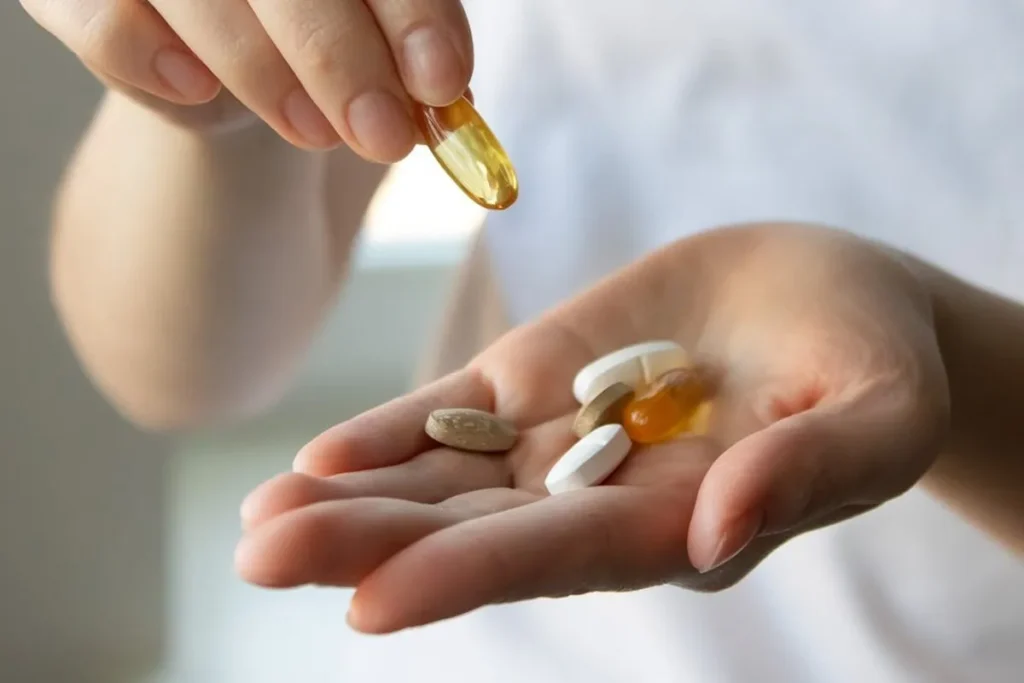
Selecting the appropriate supplement can be daunting, but focusing on specific formulations helps target hair concerns more effectively. Iron pills for hair are available in several forms, each with distinct absorption rates and tolerability profiles.
Common options include:
- Ferrous sulfate – high elemental iron, may cause gastrointestinal discomfort.
- Ferrous gluconate – lower iron content, gentler on the stomach.
- Ferrous bisglycinate – chelated form, often recommended for better absorption and fewer side effects.
- Ferritin supplements – directly increase stored iron, useful for low ferritin levels.
When evaluating products, consider these factors:
- Elemental iron percentage – higher percentages deliver more iron per dose.
- Presence of vitamin C – enhances absorption.
- Potential for constipation or nausea – chelated forms may reduce these issues.
- Cost and dosing frequency – convenience can affect adherence.
Below is a comparison of popular iron supplement types:
| Form | Elemental Iron | Absorption Rate | Typical Side Effects |
|---|---|---|---|
| Ferrous Sulfate | 20% | Moderate | Constipation, nausea |
| Ferrous Gluconate | 12% | Moderate | Mild stomach upset |
| Ferrous Bisglycinate | 18% | High | Rare |
| Ferritin Supplement | Variable | High (stores) | Minimal |
For those specifically seeking to address hair thinning, a product that combines iron with vitamin C or a chelated form is often recommended. Always consult with a healthcare professional before beginning any new supplement regimen.
Managing Side Effects and Maximizing Absorption
Even the most effective supplement can be undermined by poor absorption or uncomfortable side effects. Understanding how to mitigate these issues ensures that iron pills for hair deliver the intended benefits without unnecessary discomfort.
Key strategies include:
- Taking iron on an empty stomach for optimal uptake, but pairing with a small amount of food if gastrointestinal upset occurs.
- Combining iron with vitamin C‑rich foods (e.g., orange juice) to enhance absorption.
- Avoiding calcium‑rich meals or dairy products within two hours of taking the supplement, as calcium can inhibit iron uptake.
- Staggering doses of other minerals like zinc or magnesium, which may compete for absorption pathways.
Common side effects such as constipation, dark stools, or mild nausea can often be reduced by:
- Choosing a chelated form like ferrous bisglycinate.
- Splitting the daily dose into two smaller servings.
- Increasing water intake and incorporating fiber‑rich foods.
Monitoring your body’s response is crucial. If you experience persistent discomfort, it may indicate an underlying issue that requires professional evaluation.
When to Seek Professional Help
While over‑the‑counter iron supplements can be effective, certain signs indicate that a medical assessment is essential. Persistent hair loss, fatigue, or other systemic symptoms may point to an underlying condition such as anemia.
Consider professional evaluation if you notice:
- Continued hair shedding despite supplement use.
- Severe fatigue, shortness of breath, or dizziness.
- Pale skin or brittle nails.
- Laboratory results showing low ferritin, hemoglobin, or serum iron.
Healthcare providers can perform comprehensive blood work to diagnose iron deficiency, assess the severity of anemia, and develop a personalized treatment plan. This may include prescription‑strength iron, targeted nutrition counseling, or additional therapies to address hair loss directly.
Early intervention not only improves hair outcomes but also supports overall health, reducing the risk of complications associated with chronic iron deficiency.
Diet and Lifestyle Support for Hair
Supplements work best when paired with a nutrient‑rich diet. Foods high in iron, vitamin C, and other hair‑supporting nutrients can reinforce the effects of iron pills for hair.
Iron‑rich foods include:
- Red meat, poultry, and fish.
- Legumes such as lentils and chickpeas.
- Leafy greens like spinach and kale.
- Fortified cereals and whole grains.
Combining these foods with vitamin C sources (citrus fruits, bell peppers) enhances iron absorption. Additionally, maintaining a balanced intake of protein, zinc, and omega‑3 fatty acids supports overall hair structure and growth.
Lifestyle habits also matter. Regular exercise improves circulation to the scalp, while stress management techniques—such as mindfulness or yoga—can reduce hair‑loss triggers linked to hormonal imbalances.
Integrating these dietary and lifestyle practices creates a holistic environment where iron supplementation can thrive, delivering optimal results for hair health.
Frequently Overlooked Factors in Hair Thinning
Hair loss is rarely caused by a single factor. While iron deficiency is a major contributor, other elements can compound the problem. Understanding these can help you address hair thinning more comprehensively.
Important considerations include:
- Hormonal fluctuations, especially thyroid imbalances, which can mimic iron‑related hair loss.
- Excessive use of harsh hair products that damage follicles.
- Rapid weight loss or restrictive diets that limit essential nutrients.
- Chronic stress, which elevates cortisol and can impair hair growth cycles.
Even individuals with normal iron levels may experience thinning if these additional factors are present. A thorough assessment—ideally with a specialist—can identify overlapping issues and guide a multifaceted treatment plan.
Combining iron supplementation with targeted hair‑care routines, balanced nutrition, and stress‑reduction strategies often yields the best outcomes for restoring volume and vitality.
Why Choose Gold City Medical Center
Gold City Medical Center offers an integrative approach that blends medical expertise with cosmetic and hair‑restoration services. Our team of specialists evaluates iron status, designs personalized supplement plans, and provides comprehensive hair‑care guidance. With cutting‑edge diagnostics and a commitment to patient‑centered care, we ensure that every treatment supports both your overall health and your aesthetic goals.
Ready to revitalize your hair and boost your energy? Contact Gold City Medical Center today to schedule a personalized consultation and discover the right iron solution for you.
FAQ
How does iron deficiency cause hair loss?
Low iron reduces oxygen delivery to hair follicles, weakening strands and increasing shedding.
What are the best iron supplements for hair growth?
Chelated forms like ferrous bisglycinate combined with vitamin C are often recommended for optimal absorption and fewer side effects.
How can I improve iron absorption when taking supplements?
Take iron on an empty stomach with vitamin C, avoid calcium-rich foods nearby, and consider split dosing.
What side effects might I experience from iron pills for hair?
Common side effects include constipation, dark stools, nausea, and occasional stomach upset.
When should I see a doctor for hair loss related to iron deficiency?
If hair shedding continues despite supplementation, or if you experience fatigue, pale skin, or abnormal lab results.
Which foods can help increase iron levels for healthier hair?
Red meat, poultry, fish, legumes, leafy greens, and fortified cereals are excellent iron sources.





