When hair thinning becomes noticeable, many people turn to innovative solutions like prp hair therapy. Platelet‑Rich Plasma (PRP) is a cutting‑edge treatment that uses your own blood to promote hair growth, offering a natural alternative to medication or surgery. In this article we explore how PRP works, what a typical session involves, its benefits and limitations, and practical considerations such as cost and combination with other procedures.
Hair loss affects up to 30 % of men and women worldwide, and the psychological impact can be significant. Traditional options range from topical minoxidil to hair transplant surgery, each with its own drawbacks. PRP presents a minimally invasive, autologous approach that leverages the body’s healing mechanisms. Recent studies indicate that patients who undergo a series of PRP injections experience measurable increases in hair density and thickness.
We will guide you through the entire journey, from the initial consultation to post‑treatment care, helping you decide if PRP hair therapy aligns with your goals and expectations.
How PRP Works for Hair Growth
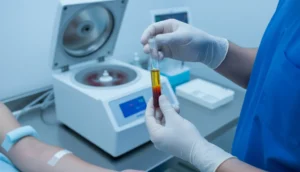
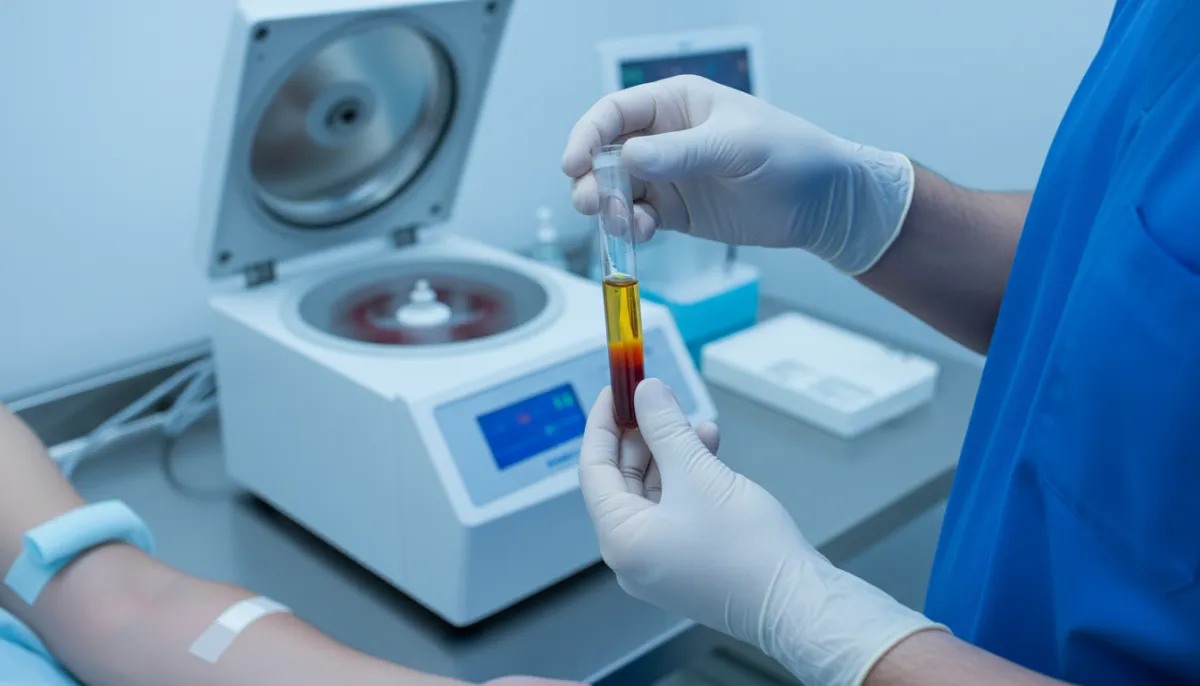
Understanding the science behind prp hair therapy reveals why it has gained popularity among dermatologists and hair specialists. The treatment begins with a small sample of the patient’s blood, which is then processed in a centrifuge to concentrate platelets. These platelets contain growth factors such as PDGF, VEGF, and TGF‑β, which are essential for tissue regeneration.
The Science Behind Platelet‑Rich Plasma
When injected into the scalp, the concentrated growth factors stimulate dormant hair follicles, increase blood supply, and extend the anagen (growth) phase of the hair cycle. This cascade of cellular activity promotes the formation of new hair strands and strengthens existing ones.
- Platelet activation → release of growth factors
- Enhanced microcirculation in the scalp
- Activation of stem cells in hair follicles
- Prolonged anagen phase for thicker hair
A comparison of PRP with other common treatments highlights its unique advantages:
| Treatment | Invasiveness | Average Sessions | Typical Results |
|---|---|---|---|
| PRP | Minimally invasive | 3–4 sessions | 10‑30 % increase in density |
| Minoxidil | Topical | Daily application | 5‑15 % increase |
| Hair transplant | Surgical | 1‑2 procedures | Immediate visible growth |
What to Expect During a PRP Hair Session
A typical prp hair appointment at Gold City Medical Center follows a structured protocol designed for comfort and effectiveness. The process can be divided into three phases: preparation, injection, and post‑procedure care.
Preparation
Before the injection, the practitioner cleanses the scalp and may apply a topical anesthetic to minimize discomfort. Blood is drawn from the patient’s arm, usually 10‑20 ml, and placed into a sterile centrifuge.
Injection
After centrifugation, the platelet‑rich plasma is drawn into a syringe and administered using a fine‑gauge needle. The practitioner follows a systematic pattern, covering the affected areas to ensure even distribution of growth factors.
- Session length: 45‑60 minutes
- Number of injections: 30‑40 per session
- Typical sensation: mild pressure, brief sting
Post‑Procedure Care
Patients are advised to avoid washing the scalp for 24 hours and to refrain from intense physical activity for a few days. Mild redness may persist for a day or two, but it usually resolves without intervention.
Most individuals schedule a series of 3–4 sessions spaced four weeks apart, followed by maintenance treatments every 4–6 months to sustain results.
Benefits and Limitations of PRP Hair Therapy
While prp hair treatment offers promising outcomes, it is essential to weigh its advantages against potential drawbacks. Understanding these factors helps patients set realistic expectations.
Key Benefits
- Uses autologous material – no foreign substances.
- Minimally invasive with limited downtime.
- Can be combined with other hair‑loss strategies.
- Stimulates natural hair growth rather than merely preventing loss.
Potential Limitations
PRP is not a miracle cure; its efficacy varies based on individual factors such as age, hormonal status, and the underlying cause of hair loss. Some patients may require additional sessions to achieve noticeable improvement.
| Aspect | Advantage | Consideration |
|---|---|---|
| Safety | Autologous – low allergy risk | Requires blood draw |
| Effectiveness | Stimulates dormant follicles | Results vary; not immediate |
| Cost | Less expensive than surgery | Multiple sessions needed |
Cost and Accessibility of PRP Treatments
Financial considerations play a pivotal role when deciding on prp hair therapy. The cost of a PRP session can differ based on geographic location, clinic reputation, and the number of injections required.
Factors Influencing Price
- Clinic overhead and technology used.
- Experience level of the practitioner.
- Number of sessions included in the treatment plan.
- Additional services such as microneedling or PRP‑enhanced hair transplants.
In the Netherlands, a single PRP session typically ranges from €350 to €600. A full course of four sessions can therefore cost between €1,400 and €2,400. Some clinics offer package discounts or financing options to make the treatment more affordable.
Insurance coverage for PRP is limited, as many providers classify it as a cosmetic procedure. However, patients should verify with their insurers, as some policies may partially reimburse when PRP is deemed medically necessary for alopecia.
Combining PRP with Other Hair Restoration Options
Integrating prp hair therapy with complementary treatments can enhance overall outcomes. Many patients opt to pair PRP with microneedling, low‑level laser therapy, or even hair transplant surgery to maximize follicular stimulation.
Synergy with Microneedling
Microneedling creates micro‑channels in the scalp, allowing deeper penetration of PRP’s growth factors. Studies suggest that combined microneedling‑PRP protocols boost hair density by an additional 15 % compared with PRP alone.
PRP‑Enhanced Hair Transplant
In hair transplant procedures, PRP can be applied to the donor and recipient areas to accelerate healing and improve graft survival. This dual approach shortens recovery time and may reduce postoperative inflammation.
- Improved graft take‑rate
- Reduced downtime
- Enhanced long‑term hair quality
When planning a comprehensive hair restoration strategy, a personalized consultation ensures that each modality is timed and sequenced for optimal effect.
Why Choose Gold City Medical Center
Gold City Medical Center combines medical expertise with a holistic approach to aesthetic care. Our team of certified specialists utilizes state‑of‑the‑art equipment and follows evidence‑based protocols for PRP hair therapy. Patients benefit from personalized treatment plans, a comfortable environment, and ongoing support throughout the recovery process. Trust a center that prioritizes safety, efficacy, and patient satisfaction in every step of the hair restoration journey.
Ready to revitalize your hair? Book a complimentary consultation with our PRP specialists today and discover a customized path to fuller, healthier hair.
Contact us now to schedule your appointment and take the first step toward confidence.
FAQ
What is PRP hair therapy and how does it work?
PRP hair therapy uses a patient’s own platelet‑rich plasma injected into the scalp to stimulate dormant follicles and promote hair growth.
How many PRP sessions are typically needed for visible results?
Most patients undergo 3–4 sessions spaced four weeks apart to see noticeable improvement.
What are the main benefits of PRP compared to minoxidil or hair transplant?
PRP is minimally invasive, uses autologous material, and can be combined with other therapies, while offering a higher density increase than minoxidil and lower cost than surgery.
What should patients expect during the post‑procedure care after a PRP session?
Patients should avoid washing the scalp for 24 hours and limit intense activity for a few days; mild redness may occur.
How much does PRP hair therapy cost in the Netherlands?
A single PRP session ranges from €350 to €600; a full course of four sessions costs €1,400‑€2,400.
Can PRP be combined with other hair‑restoration methods for better results?
Yes, combining PRP with microneedling, low‑level laser therapy, or hair transplant can enhance outcomes.