When you ask yourself is botox safe, the answer depends on a blend of scientific evidence, practitioner expertise, and individual health factors. Botox, formally known as botulinum toxin, has become one of the most popular minimally invasive cosmetic procedures worldwide, with millions of injections performed each year.
In this article we will demystify the safety profile of Botox, examine common concerns, and outline best practices to help you make an informed decision. Recent surveys indicate that over 70% of adults aged 30‑50 have considered Botox for aesthetic reasons, yet many remain hesitant due to lingering questions about side effects and long‑term health impacts.
We will explore how Botox works at a molecular level, who makes an ideal candidate, what side effects to expect, and how to ensure the procedure is performed safely. By the end, you’ll have a clear picture of the risk‑benefit balance and the steps you can take to protect your health while enjoying the desired cosmetic results.
How Botox Works: The Science Behind the Treatment
Botox is derived from the bacterium Clostridium botulinum, which produces a neurotoxin that temporarily blocks nerve signals to muscles. When injected in small, controlled doses, the toxin inhibits the release of acetylcholine, a neurotransmitter responsible for muscle contraction. This relaxation of targeted facial muscles reduces the appearance of dynamic wrinkles, such as frown lines and crow’s feet.
The effect typically begins within 24‑48 hours, with full results visible after about one week. The duration of action varies, but most patients experience smooth skin for three to four months before the muscle activity gradually returns.
- Onset: 24‑48 hours after injection
- Peak effect: 7‑14 days
- Duration: 3‑4 months on average
Understanding the mechanism helps explain why Botox is considered a reversible and relatively low‑risk option compared with surgical interventions.
Common Safety Concerns and Side Effects
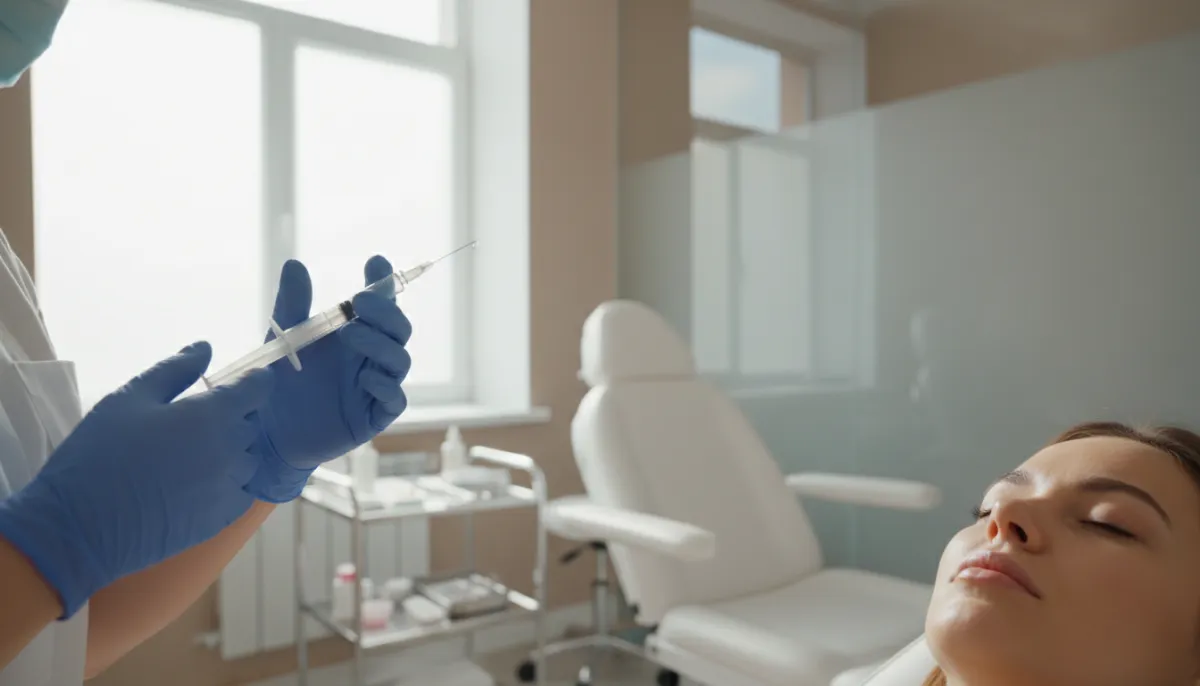
While many wonder is botox safe, the most frequent concerns revolve around side effects and potential complications. The majority of adverse events are mild and temporary, including bruising, swelling, or slight headache at the injection site. These typically resolve within a few days.
More serious but rare complications can include:
| Complication | Incidence | Typical Management |
|---|---|---|
| Muscle weakness (e.g., drooping eyelid) | 0.1‑0.5% | Observation; symptoms resolve as toxin diffuses |
| Allergic reaction | Very rare | Antihistamines or corticosteroids |
| Botulism (systemic toxicity) | Extremely rare | Immediate medical intervention |
Patients with certain neuromuscular disorders, such as myasthenia gravis, should avoid Botox or seek specialized evaluation. Additionally, the procedure is contraindicated during pregnancy and breastfeeding, as the effects on fetal development have not been conclusively studied.
Overall, the safety record of Botox is strong when administered by qualified professionals. Proper dosing, accurate injection sites, and thorough patient screening are key to minimizing risks.
Who Is a Good Candidate for Botox?
Determining is botox safe for an individual starts with assessing health history, aesthetic goals, and lifestyle. Ideal candidates are adults with moderate to severe dynamic wrinkles who are in good overall health and have realistic expectations.
Key factors to consider include:
- Absence of active skin infections at the injection site
- No history of severe allergic reactions to botulinum toxin
- Stable medical conditions; chronic illnesses should be well‑controlled
- Not currently pregnant, planning to become pregnant, or nursing
Patients who frequently use facial expressions for acting or singing may require a tailored approach to preserve natural movement. For those seeking treatment of medical conditions such as chronic migraines or hyperhidrosis, Botox can be an effective therapy, but the dosing and injection patterns differ from cosmetic applications.
Consultation with a board‑certified dermatologist or plastic surgeon ensures an individualized plan that aligns safety considerations with desired outcomes.
Managing Expectations: Duration and Results
One of the most common queries is how long Botox lasts and when results become visible. As mentioned earlier, the initial effect appears within a few days, with peak smoothness around two weeks. The longevity of the result can be influenced by metabolism, muscle activity, and the specific area treated.
Typical duration ranges:
- Forehead lines: 3‑5 months
- Glabellar (frown) lines: 4‑6 months
- Crow’s feet: 3‑4 months
Repeated treatments may extend the duration slightly, as the muscle fibers become conditioned to reduced activity. However, it is essential to avoid overly frequent injections; most experts recommend a minimum interval of 12 weeks between sessions to prevent antibody formation, which could reduce effectiveness.
Patients should also understand that Botox does not “erase” static wrinkles caused by loss of skin elasticity; it solely relaxes the underlying muscles. Complementary treatments like dermal fillers or skin resurfacing may be suggested for comprehensive rejuvenation.
Best Practices for Safe Botox Administration
Ensuring that Botox is safe begins with selecting a qualified practitioner and following evidence‑based protocols. Key best practices include:
- Credential Verification: Choose a board‑certified dermatologist, plastic surgeon, or licensed aesthetic physician with specific experience in neurotoxin injections.
- Comprehensive Consultation: Discuss medical history, medications (especially blood thinners), and aesthetic goals to tailor the treatment plan.
- Standardized Dosing: Use FDA‑approved Botox formulations and adhere to recommended dosage limits for each treatment area.
- Precise Injection Technique: Employ proper anatomical landmarks to avoid unintended muscle weakness or diffusion.
- Post‑Procedure Care: Advise patients to remain upright for several hours, avoid massaging the area, and refrain from intense exercise for 24 hours.
Adhering to these guidelines not only minimizes the risk of side effects but also enhances the longevity and natural appearance of the results. At Gold City Medical Center, our team follows strict safety protocols and stays current with the latest research to provide patients with confidence and peace of mind.
Why Choose Gold City Medical Center
Gold City Medical Center combines cutting‑edge medical expertise with a holistic approach to aesthetic care. Our specialists are trained in both the artistic and scientific aspects of Botox, ensuring precise, safe, and natural‑looking results. We prioritize patient safety through thorough screenings, personalized treatment plans, and adherence to international standards. Whether you seek cosmetic rejuvenation, migraine relief, or hyperhidrosis management, our integrative services are designed to meet your unique needs with professionalism and care.
Ready to discover if Botox is right for you? Contact Gold City Medical Center today to schedule a personalized consultation and take the first step toward safe, beautiful results.
Call us or fill out our online form—our experts are here to guide you every step of the way.
FAQ
Is Botox safe for most people?
Botox is generally safe when administered by qualified professionals, with most side effects being mild and temporary.
What are the common side effects of Botox?
Typical side effects include bruising, swelling, mild headache, and temporary muscle weakness near the injection site.
How long does Botox last and when will I see results?
Results appear within 24‑48 hours, peak around 1‑2 weeks, and typically last 3‑6 months depending on the treated area.
Who is an ideal candidate for Botox?
Adults with moderate to severe dynamic wrinkles, good overall health, and realistic expectations are ideal candidates.
What best practices ensure safe Botox administration?
Choose a qualified practitioner, undergo a comprehensive consultation, use FDA‑approved formulations, and follow proper injection and after‑care protocols.
Is Botox safe during pregnancy or breastfeeding?
Botox is contraindicated during pregnancy and breastfeeding because its effects on the fetus or infant have not been conclusively studied.





