When it comes to liver support, many people overlook the organ’s vital role in detoxifying the body, producing essential proteins, and regulating metabolism. This article explores practical strategies to protect and enhance liver function, covering nutrition, supplements, lifestyle habits, and when professional care is needed. Did you know that the liver can regenerate up to 70% of its tissue after injury, yet chronic stressors like poor diet and excessive alcohol can impede this remarkable ability? Understanding these factors is the first step toward effective liver support.
We will examine the science behind liver health, discuss evidence‑based dietary choices, highlight popular herbal options such as milk thistle, and outline lifestyle practices that promote detoxification. Whether you’re aiming to prevent fatty liver disease, support recovery after medication, or simply maintain overall wellness, the guidance here aligns with the integrative approach of Gold City Medical Center.
By the end of this guide, you will have a clear roadmap for nurturing your liver, recognizing early signs of dysfunction, and knowing when to seek expert medical advice.
Understanding Liver Function and Common Challenges
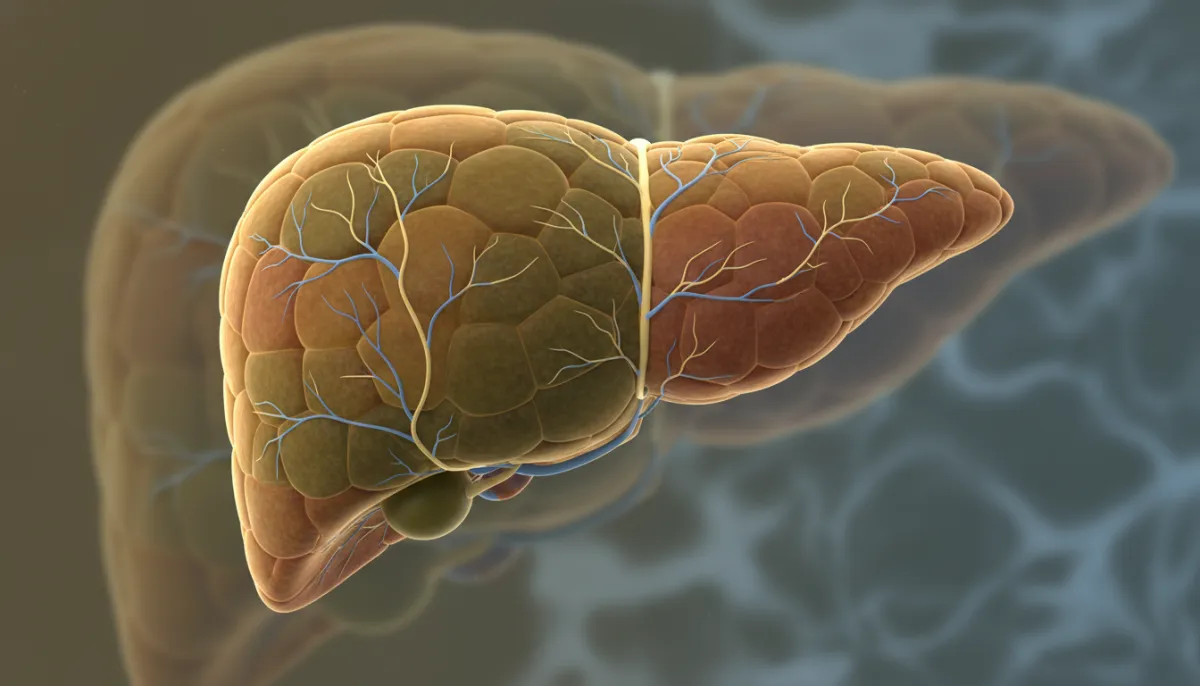
The liver performs more than 500 essential functions, including filtering toxins, storing vitamins, and producing bile for fat digestion. When these processes are disrupted, symptoms such as fatigue, abdominal discomfort, and jaundice may emerge. Common challenges include non‑alcoholic fatty liver disease (NAFLD), hepatitis, and medication‑induced injury.
Research indicates that up to 25% of adults worldwide have some form of fatty liver, often linked to high‑calorie diets and sedentary lifestyles. Early detection through routine blood tests and imaging can prevent progression to cirrhosis. Below is a quick comparison of typical liver conditions and their primary risk factors:
| Condition | Key Risk Factors | Typical Symptoms |
|---|---|---|
| Non‑Alcoholic Fatty Liver Disease | Obesity, high‑sugar diet, insulin resistance | Fatigue, mild abdominal pain |
| Alcoholic Liver Disease | Excessive alcohol consumption | Jaundice, swelling, confusion |
| Drug‑Induced Hepatotoxicity | Certain prescription meds, herbal supplements | Nausea, dark urine, elevated enzymes |
Understanding these patterns helps you tailor your liver support plan to address specific threats. Regular monitoring and a proactive approach can keep the liver operating at peak efficiency.
Nutritional Strategies for Optimal Liver Support
Diet plays a central role in maintaining liver health. Foods rich in antioxidants, fiber, and essential fatty acids can reduce oxidative stress and support regeneration. The following list outlines key nutritional groups and example items:
- Cruciferous vegetables – broccoli, Brussels sprouts, kale (contain glucosinolates that aid detoxification).
- Leafy greens – spinach, arugula (high in chlorophyll, help neutralize heavy metals).
- Whole grains – oats, quinoa (provide soluble fiber to bind toxins).
- Healthy fats – avocado, olive oil, walnuts (support cell membrane integrity).
- Protein sources – lean fish, legumes (provide amino acids for albumin synthesis).
- Hydrating beverages – water, herbal teas (assist in flushing metabolites).
In addition to specific foods, adopting a balanced “fatty liver diet” can dramatically improve liver markers. This diet limits saturated fats, refined sugars, and processed foods while emphasizing the items above. A typical day might look like this:
| Meal | Example |
|---|---|
| Breakfast | Oatmeal topped with berries and a sprinkle of walnuts |
| Lunch | Grilled salmon salad with kale, avocado, and olive‑oil dressing |
| Dinner | Quinoa stir‑fry with broccoli, carrots, and tofu |
| Snacks | Apple slices with almond butter, or carrot sticks with hummus |
Consistently following such a plan provides the nutrients needed for effective liver support. Pairing these meals with regular physical activity further enhances metabolic health, reducing the risk of NAFLD.
Herbal and Supplement Options for Liver Support
Beyond whole foods, certain herbs and supplements have been studied for their hepatoprotective properties. The most widely researched is milk thistle, a plant containing the active compound silymarin, which has antioxidant and anti‑inflammatory effects. Clinical trials suggest that a daily dose of 150‑300 mg of standardized silymarin can improve liver enzyme levels in patients with mild to moderate liver disease.
Other notable supplements include:
- Artichoke leaf extract – promotes bile flow and reduces lipid accumulation.
- Turmeric (curcumin) – potent anti‑oxidant that may protect against toxin‑induced injury.
- Vitamin E – especially useful in non‑alcoholic steatohepatitis (NASH) when taken at 800 IU daily.
- Omega‑3 fatty acids – EPA/DHA help lower triglycerides and inflammation.
When selecting a product, look for third‑party testing and standardized potency. For example, a “milk thistle supplement” label should state a minimum of 70% silymarin. Side effects are generally mild but can include gastrointestinal upset or allergic reactions; always consult a healthcare professional before starting a new regimen.
Integrating these supplements with a solid diet can create a synergistic effect, enhancing overall liver support. However, supplements are not a substitute for medical treatment when serious liver disease is present.
Lifestyle Practices: Detox, Hydration, and Exercise
While “detox” is a buzzword, evidence‑based practices can aid the liver’s natural cleansing processes. Staying well‑hydrated is essential; water helps transport metabolites to the kidneys for elimination. A simple guideline is to drink at least 2 liters of water daily, supplemented with herbal teas such as ginger water or dandelion root tea, which have mild diuretic properties.
Physical activity improves insulin sensitivity and reduces liver fat accumulation. Aim for 150 minutes of moderate aerobic exercise per week, such as brisk walking, cycling, or swimming. Strength training twice weekly also supports muscle mass, which indirectly benefits liver metabolism.
Below is a starter “detox routine” that complements medical advice:
- Morning: Warm water with lemon, followed by a cup of ginger tea.
- Mid‑day: A green smoothie containing spinach, cucumber, and a tablespoon of chia seeds.
- Afternoon: Light walk (20‑30 minutes) to promote circulation.
- Evening: Herbal tea (dandelion or milk thistle) and a balanced dinner as outlined in the nutrition section.
These habits, combined with a nutrient‑rich diet, create a comprehensive liver support plan that encourages natural detoxification without extreme fasting or unproven cleanse products.
When to Seek Professional Care and Treatment Options
Even with diligent self‑care, certain signs warrant prompt medical evaluation. Persistent jaundice, unexplained weight loss, swelling in the abdomen, or a sudden rise in liver enzymes should trigger a visit to a qualified practitioner. Gold City Medical Center offers comprehensive assessments, including blood panels, ultrasound imaging, and personalized treatment plans.
For patients with advanced liver disease, options may include prescription medications, lifestyle modification programs, or in some cases, referral to a hepatology specialist for potential liver transplantation evaluation. Early intervention can halt disease progression and improve quality of life.
In addition to conventional approaches, the center incorporates integrative therapies such as personalized nutrition counseling, targeted supplement protocols, and mind‑body techniques to support recovery. This holistic perspective aligns with the broader goal of sustainable liver support and overall well‑being.
Why Choose Gold City Medical Center
Gold City Medical Center combines cutting‑edge medical expertise with a holistic, integrative approach to health. Our team of specialists is experienced in diagnosing and treating liver conditions, offering personalized nutrition plans, and recommending evidence‑based supplements. With state‑of‑the‑art facilities and a commitment to patient‑centered care, we ensure that every individual receives comprehensive liver support tailored to their unique needs.
Whether you seek preventive guidance, management of a chronic condition, or a coordinated plan that includes beauty and wellness services, our multidisciplinary staff works collaboratively to achieve optimal outcomes.
Ready to take control of your liver health? Contact Gold City Medical Center today to schedule a personalized consultation and start your journey toward lasting wellness.
FAQ
What are the most effective dietary foods for liver support?
Cruciferous vegetables, leafy greens, whole grains, healthy fats, lean proteins, and plenty of water are key foods for liver health.
How does milk thistle help improve liver health?
Milk thistle contains silymarin, an antioxidant that protects liver cells and promotes regeneration.
What lifestyle habits can enhance liver detoxification?
Regular exercise, adequate hydration, limited alcohol, and consistent sleep support natural liver detox.
When should I seek professional medical care for liver issues?
Persistent jaundice, unexplained weight loss, abdominal swelling, or rising liver enzymes warrant a doctor’s visit.
Can supplements replace a healthy diet for liver support?
No, supplements should complement a balanced diet, not replace it.
What is NAFLD and how can it be prevented?
NAFLD is non‑alcoholic fatty liver disease, preventable through weight management, a low‑sugar diet, and regular exercise.





