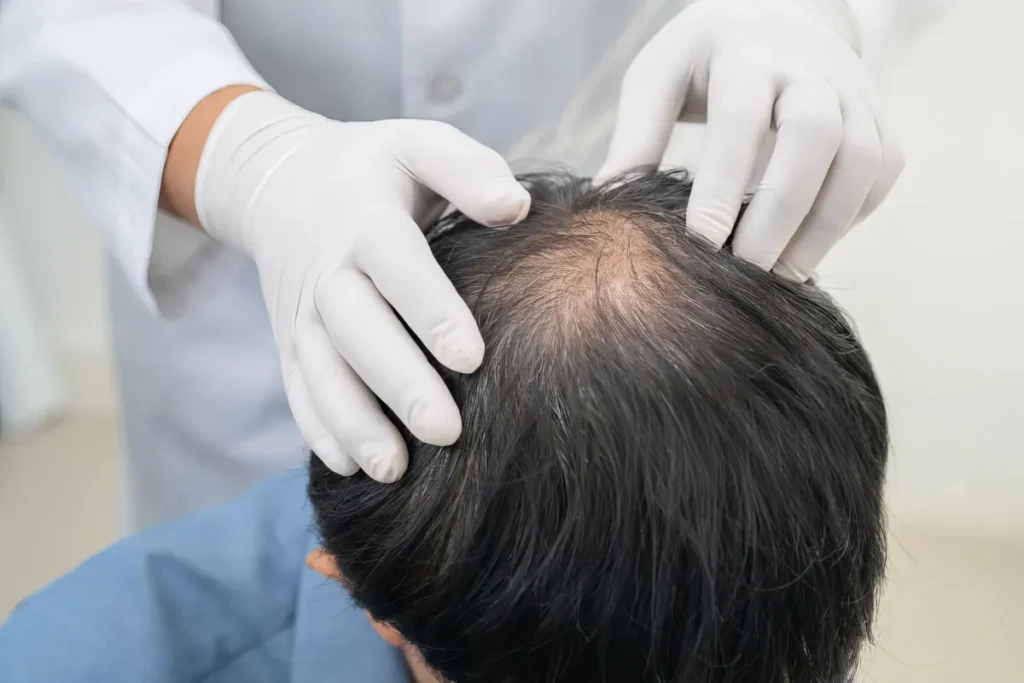
Childhood Hair Loss Causes can vary. Explore the best solutions and medical advice to help your child regain their hair and confidence fast.
Hair loss in children can be very upsetting for both kids and their parents. It’s not just something adults deal with. Many children lose hair because of different health issues. Studies show that about 7.5% of kids seen by dermatologists have hair loss problems.
Knowing the common causes of alopecia in children is key to helping them. Issues like scalp infections, autoimmune diseases, and stress can lead to pediatric hair loss. At GoldCity Center, they focus on the patient, using the latest tests and care to support families through this tough time.
Key Takeaways
Approximately 7.5% of pediatric dermatology cases involve hair loss complaints.
Common causes of childhood hair loss include scalp infections and autoimmune conditions.
Understanding the underlying causes is critical for effective treatment.
GoldCity Center offers a patient-centered approach to diagnosing and treating pediatric hair loss.
Advanced diagnostic protocols and compassionate care are provided to affected families.
Understanding Childhood Hair Loss and Its Prevalence
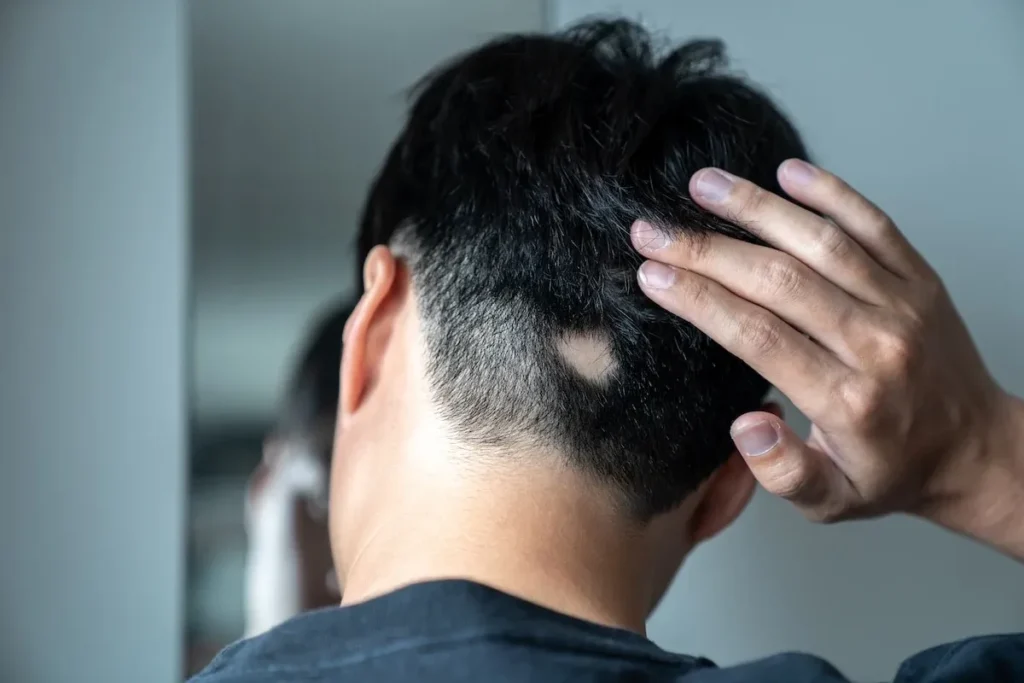
It’s important to know about hair loss in kids to catch it early and treat it right. Hair loss in children is not as common as in adults. But, it can really affect their self-esteem and happiness.
Prevalence of Hair Loss in Children
Hair loss in kids is not as common as in adults. But, it does happen to a lot of young people. The reasons for hair loss in kids vary, from infections to autoimmune diseases.
Four main reasons cause 90 to 95% of hair loss in kids: alopecia areata, telogen effluvium, tinea capitis, and trichotillomania.
Differentiating Childhood Alopecia from Adult Patterns
It’s key to tell apart hair loss in kids from adults. The reasons and treatments are different. Adults often lose hair due to aging, genetics, or hormones. Kids, on the other hand, might lose hair because of infections, autoimmune diseases, or mental health issues.
Tinea capitis, a fungal infection, is a big reason for hair loss in kids. But, androgenetic alopecia is more common in adults. Knowing these differences helps us give the right care and support to kids with hair loss.
Primary Childhood Hair Loss Causes: Infections and Autoimmune Conditions
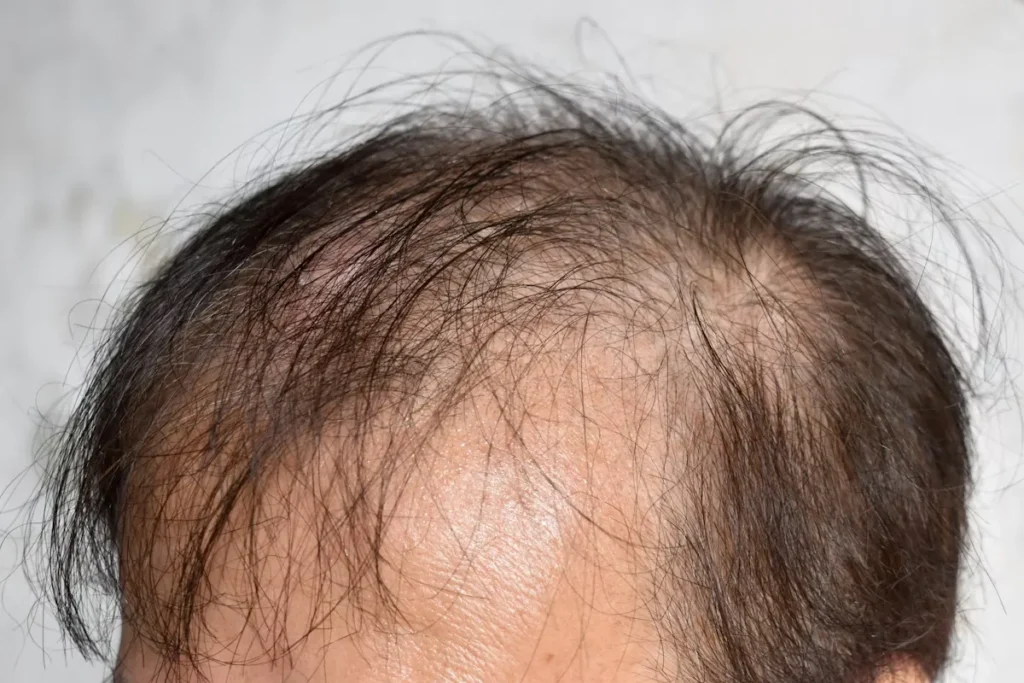
Infections and autoimmune conditions are major reasons for hair loss in kids. It’s important for parents and doctors to understand these causes. This helps in treating the condition properly.
Tinea Capitis: The Leading Fungal Cause
Tinea capitis, or ringworm of the scalp, is a common fungal infection. It causes hair loss and spreads easily among school kids. Quick treatment with oral antifungal meds is key to avoid lasting damage.
Alopecia Areata: Autoimmune Hair Loss
Alopecia areata is when the immune system attacks hair follicles, causing patchy hair loss. The exact reason is not known but genetics and environment play a part. Treatment might include topical corticosteroids or other therapies to manage the condition.
Congenital and Genetic Hair Loss Conditions
Certain conditions present at birth or develop later can cause hair loss in kids. For more details on why kids lose hair, check out this resource.
Secondary Causes of Childhood Hair Loss
Stress and not getting enough nutrients are big reasons for hair loss in kids. Taking care of these issues can help stop or even reverse hair loss.
Telogen Effluvium: A Stress-Induced Condition
Telogen effluvium makes kids lose more hair than usual because of stress. This stress can be from being very sick or feeling really upset. When kids are stressed, more hair follicles stop growing, making hair look thinner.
Key factors triggering telogen effluvium include:
High fever
Surgery
Emotional distress
Trichotillomania: Compulsive Hair Pulling
Trichotillomania is when kids can’t stop pulling their hair out. This can make a lot of hair fall out and is often linked to other compulsive behaviors.
Fixing trichotillomania needs a big plan. It includes talking to a therapist and getting support to deal with the reasons behind the hair pulling.
Traction Alopecia: Hair Loss from Styling
Traction alopecia happens when hair is pulled too tight, hurting the follicles. This can cause hair loss, mainly at the hairline.
Common hairstyles that can lead to traction alopecia include:
Tight braids
Ponytails
Buns
Nutritional Deficiencies Affecting Hair Growth
Lacking iron or zinc can really hurt hair growth and cause loss. Eating a balanced diet with all the right nutrients is key for healthy hair.
Key nutrients for hair health include:
Iron
Zinc
Protein
Knowing and fixing these secondary causes of hair loss in kids helps a lot. Parents and caregivers can do a lot to help hair grow back and prevent more loss.
Conclusion: When to Seek Medical Help for Childhood Hair Loss
Childhood hair loss can worry both kids and their parents. It’s important to know why it happens. Things like infections, autoimmune diseases, and not getting enough nutrients can cause it.
If your child loses hair fast, has a red scalp, or feels tired or changes weight, see a doctor. Finding out what’s causing it early can stop more hair loss. If your child is losing hair, a doctor can find out why.
Getting help early can help your child’s hair grow back and feel better. A doctor can tell you the best way to treat it. They can also answer your questions about why it happens.
FAQ
What are the most common causes of hair loss in children?
Hair loss in kids can happen for many reasons. These include infections like tinea capitis and autoimmune issues like alopecia areata. Other causes include genetic conditions, telogen effluvium, trichotillomania, and traction alopecia. Nutritional deficiencies also play a role.
How is tinea capitis treated in children?
Tinea capitis, a fungal infection, is treated with oral antifungal meds. This helps prevent damage and promotes hair growth.
What is alopecia areata, and how does it affect children?
Alopecia areata is an autoimmune condition where the immune system attacks hair follicles. This leads to patchy hair loss. It needs special treatment and can affect a child’s emotional health.
Can nutritional deficiencies cause hair loss in children?
Yes, not getting enough iron or zinc can cause hair loss in kids. A balanced diet is key for healthy hair.
What is trichotillomania, and how is it related to childhood hair loss?
Trichotillomania is a disorder where kids compulsively pull their hair. This leads to hair loss. It needs psychological help and therapy.
How can parents help prevent traction alopecia in their children?
Parents can prevent traction alopecia by avoiding tight hairstyles. They should promote healthy hair care and be mindful of styling.
When should parents seek medical help for their child’s hair loss?
Parents should get medical help if they notice unusual hair loss in their child. Early treatment can help improve outcomes and boost their confidence.
What is telogen effluvium, and how does it affect children’s hair?
Telogen effluvium is caused by stress and leads to excessive hair shedding. It’s common in kids and can be managed with care and stress reduction.
Are there any congenital or genetic conditions that can cause hair loss in children?
Yes, some genetic and congenital conditions can cause hair loss in kids. They often need special care to manage the condition and promote hair growth.
References
National Center for Biotechnology Information. Evidence-Based Medical Insight. Retrieved from https://www.ncbi.nlm.nih.gov/pmc/articles/PMC5522886/





