
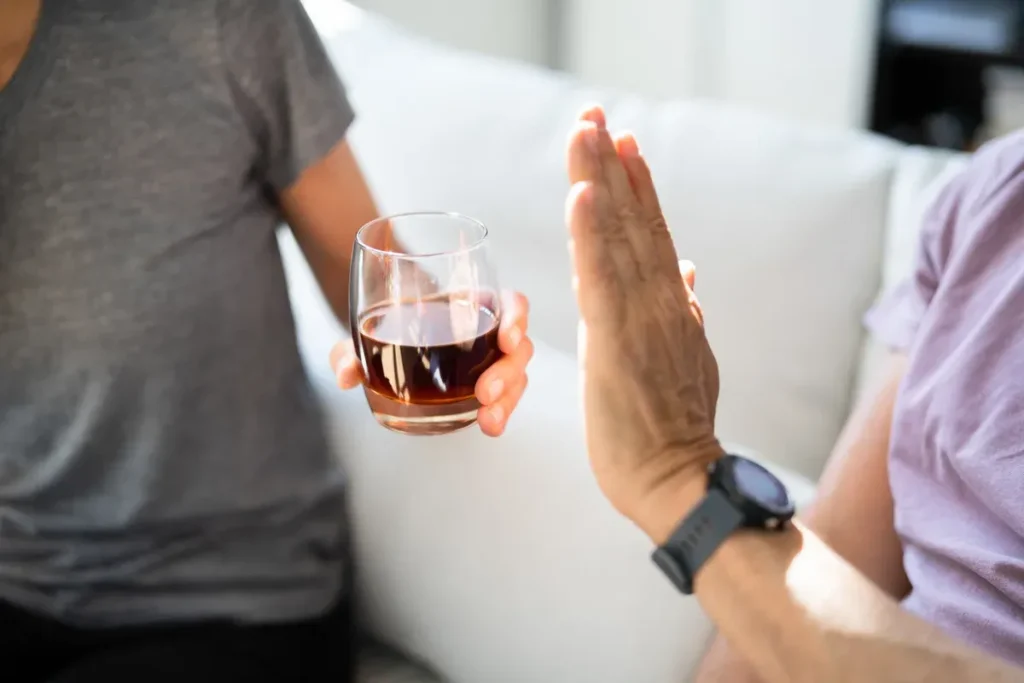
Is drinking on muscle relaxers safe? Discover the dangerous interactions and why you should avoid alcohol while treating muscle pain.
Mixing muscle relaxers and alcohol can be very dangerous. Both slow down brain activity, breathing, and heart rate. This mix can cause extreme drowsiness, dizziness, and poor coordination.
Cyclobenzaprine, a common muscle relaxer, relaxes muscles by affecting the brain and nervous system. Drinking alcohol with this medicine can make its effects worse. This increases the risk of accidents and injuries.
Key Takeaways
Combining muscle relaxers and alcohol can lead to severe health risks.
Both substances are central nervous system depressants that amplify each other’s effects.
Mixing them can cause extreme drowsiness, dizziness, and impaired coordination.
It’s important to know the risks before drinking alcohol while on muscle relaxers.
Always talk to a healthcare professional for advice.
Understanding Muscle Relaxers and Their Effects
To understand the risks of muscle relaxers, knowing what they are and how they work is key. These medications are designed to ease muscle spasms, pain, and stiffness. They do this by affecting the central nervous system.
What Are Muscle Relaxers and How Do They Work?
Muscle relaxers reduce nerve activity that causes muscle pain. They are often given for muscle pain and spasms from injuries or conditions like lower back pain. There are two main types: antispasmodics and antispastics. Antispasmodics help with acute muscle pain, while antispastics manage conditions like multiple sclerosis and cerebral palsy.
Common Types of Muscle Relaxers and Their Side Effects
Common antispasmodics include cyclobenzaprine, methocarbamol, and carisoprodol. Each has its own side effects, from drowsiness and dizziness to more serious reactions. It’s important to talk about these risks and interactions with alcohol with a doctor. For more on muscle relaxers and alcohol, check out Healthline’s guide.
The Dangers of Drinking on Muscle Relaxers
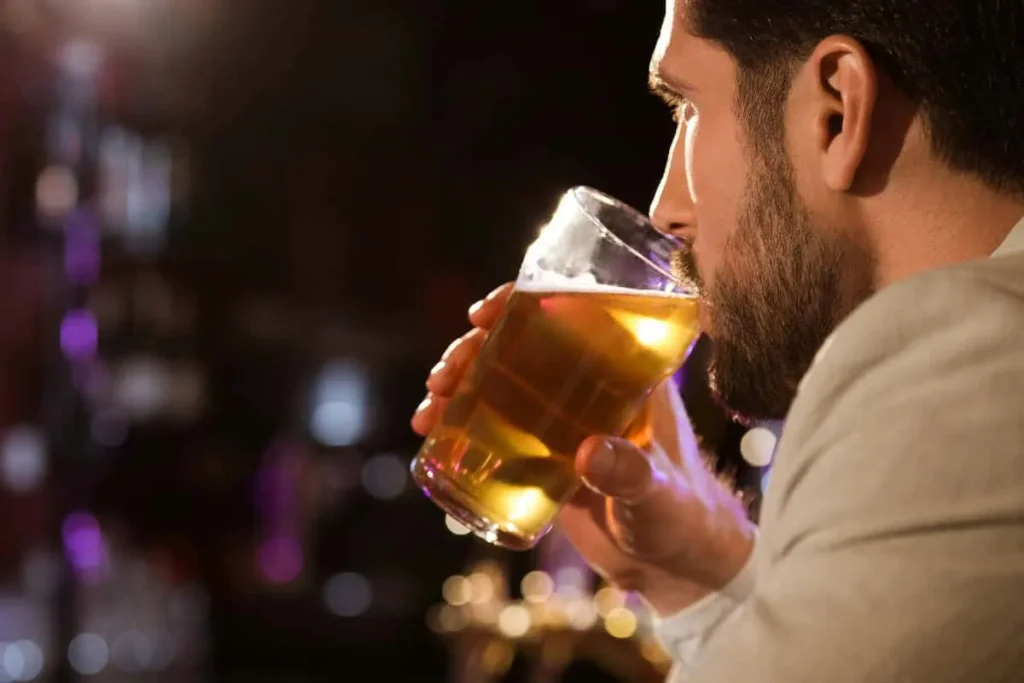
Drinking alcohol with muscle relaxers is very dangerous. Both slow down brain activity, breathing, and heart rate. This mix can cause extreme sedation, slow breathing, and even coma or death.
Interaction in the Body
Combining alcohol and muscle relaxers can be unpredictable and risky. The risk of overdose increases significantly because both can slow down breathing. This can lead to not enough oxygen for the body’s organs.
“The combination of alcohol and muscle relaxers can lead to a synergistic effect, where the total effect is greater than the sum of the individual effects.” This can surprise people, as the reaction’s severity may not be expected.
Immediate Health Risks
The immediate health risks of mixing alcohol and muscle relaxers include:
Severe drowsiness and dizziness
Impaired coordination and judgment
Difficulty breathing
Potential for coma or death
These risks are serious, and people should know the dangers of mixing these substances.
Long-Term Health Consequences
Long-term health effects of mixing alcohol and muscle relaxers can be severe. Prolonged use can lead to:
It’s important for people to understand these risks. They should talk to healthcare providers about safe use of muscle relaxers and the dangers of mixing with alcohol.
Medical Recommendations and Safety Guidelines
It’s important to follow medical advice when using muscle relaxers. Doctors warn against drinking alcohol while taking these drugs. This is because alcohol can react badly with the medication.
Knowing the dangers of mixing muscle relaxers with alcohol is key. This mix can lead to overdose and serious health problems. Being aware of overdose signs and when to get help is vital.
Using muscle relaxers safely means being mindful of their interactions with other substances. Doctors say to avoid alcohol while taking these drugs. This helps keep treatment safe and effective.
FAQ
Can I drink alcohol while taking muscle relaxers?
No. Drinking alcohol while taking muscle relaxers is unsafe. Both depress the central nervous system (CNS), and together they can cause extreme drowsiness, slowed or stopped breathing, loss of consciousness, coma, or death.
Risks of combining muscle relaxers with alcohol
Combining the two significantly increases the risk of extreme sleepiness, dizziness, confusion, poor coordination, slowed breathing, low blood pressure, blackouts, accidents, and even overdose or death. Even small amounts of alcohol can cause serious reactions.
How muscle relaxers work and what they are used for
Muscle relaxers slow nerve signals in the brain and spinal cord to reduce muscle spasms, tightness, and pain from injuries or strains. They are usually prescribed for short-term use alongside rest and physical therapy.
Different types of muscle relaxers and how they differ
Antispasmodics (e.g., cyclobenzaprine, methocarbamol, carisoprodol, tizanidine, baclofen) are for muscle spasms and strongly affect the CNS.
Antispastics (e.g., baclofen, dantrolene) are for neurological conditions. Both types are dangerous with alcohol.
How long after taking muscle relaxers can I drink alcohol
It depends on the medication, dose, and your body. A general guideline is to wait at least 24–48 hours after your last dose. Some medications may stay in your system longer, so always check with your doctor.
Operating machinery or driving while taking muscle relaxers and drinking alcohol
No. Driving, operating machinery, or performing tasks requiring focus is dangerous even without alcohol, and combining the two greatly increases the risk.
Signs of overdose when combining muscle relaxers and alcohol
Seek emergency help if you experience extreme drowsiness, very slow or shallow breathing, confusion, slurred speech, loss of coordination, blue lips or fingertips, seizures, or unconsciousness.
References
National Center for Biotechnology Information. Evidence-Based Medical Insight. Retrieved from https://pubmed.ncbi.nlm.nih.gov/22335315/**[5





