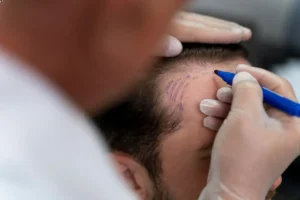
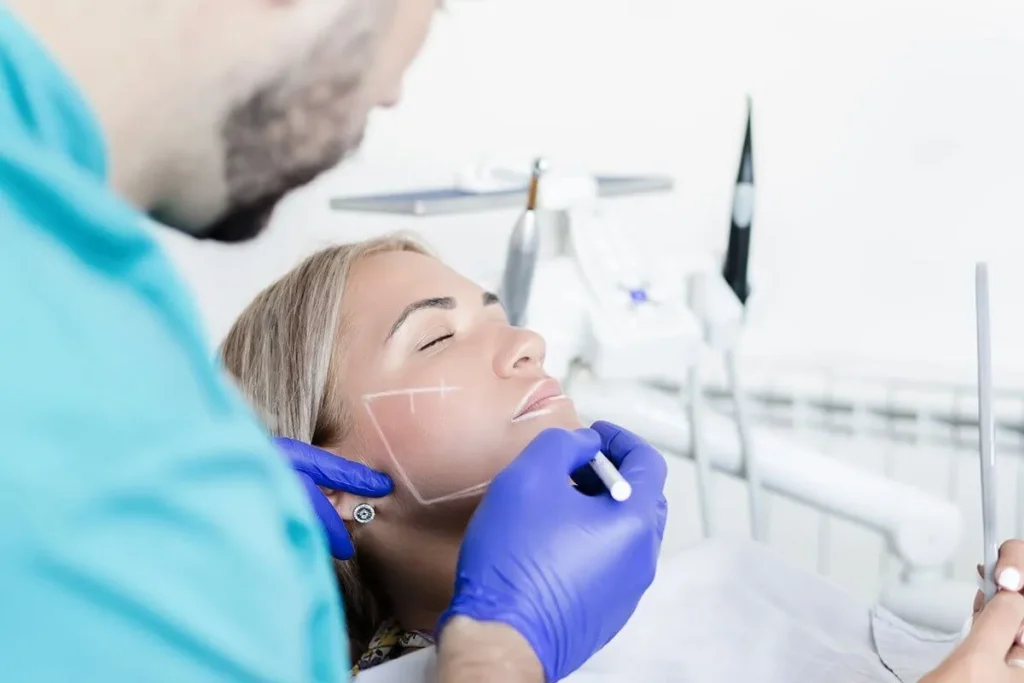
Living with chronic migraines can be tough. Botox, or onabotulinumtoxinA, is a game-changer for many. It blocks pain signals before they reach the brain, giving relief to millions.
Studies show Botox can cut down headache days by 8 to 9 on average. At places like GoldCity Center, you get a detailed plan for Botox. It’s a mix of proven methods and care tailored just for you.
Key Takeaways
Botox is an FDA-approved treatment for chronic migraines.
It works by blocking pain signals to the brain.
Clinical data shows a significant reduction in headache days.
Personalized care is essential for effective Botox therapy.
Understanding aftercare is key for the best results.
Understanding Botox Treatment for Chronic Migraines
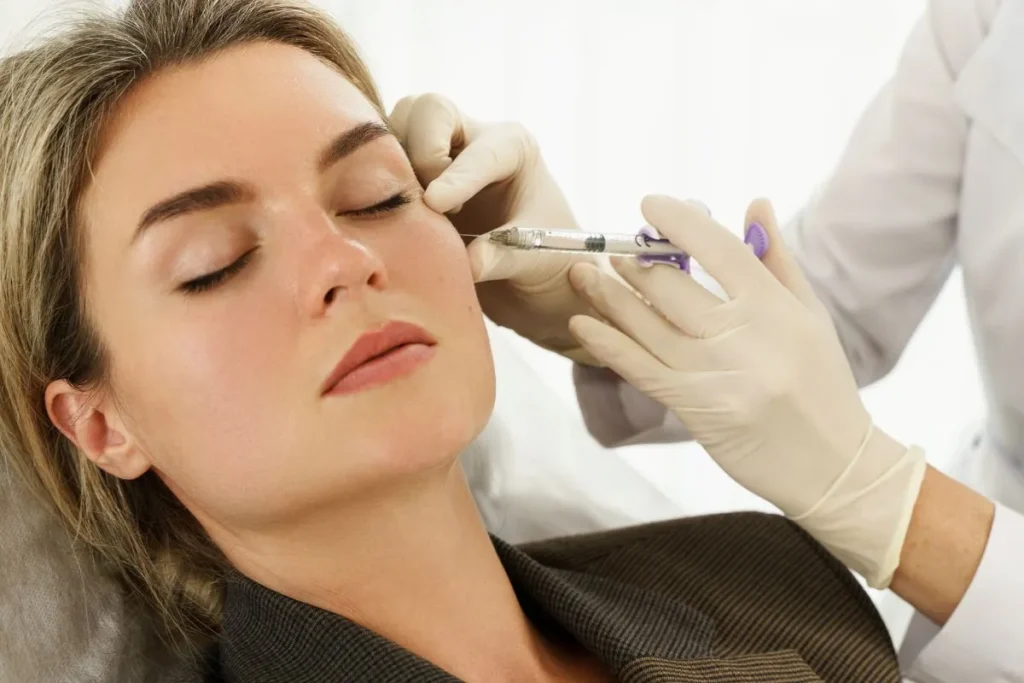
Botox is a new way to treat chronic migraines. It helps people who get a lot of migraine attacks. The treatment involves injections in the head and neck to manage symptoms.
How Botox Works to Prevent Migraines
Botox stops nerve signals to muscles, making them relax. This helps prevent pain signals from reaching the brain. It reduces migraine attacks’ frequency and severity.
The treatment includes 30 to 40 injections in seven areas. It takes 10 to 20 minutes to do.
Effectiveness and Treatment Timeline
Studies show Botox can cut down migraine days. It’s not a fast solution. It may take a few weeks to see improvements.
Most people feel better after two to three sessions, every 12 weeks. Botox’s effects last three to four months before needing more.
Knowing how Botox works helps in managing migraines. It’s a promising option for those looking to lessen migraine attacks.
Botox Migraine Injection Side Effects and Treatment Process

Thinking about Botox for migraines? It’s important to know the treatment process and possible side effects. Botox is a proven treatment for chronic migraines. Knowing this can help you feel more prepared and calm your worries.
What to Expect During the Injection Procedure
The Botox procedure for migraines is quick and simple. Multiple injections are given around the head and neck to target migraine pain areas. The needle is very small, and many say they feel little to no pain during the shots.
The whole process takes about 15 minutes. You can go back to your usual activities right after. It’s key to follow your healthcare provider’s advice for the best results.
Common Side Effects and Their Duration
Even though Botox is usually safe, some people might have side effects. The most common ones in studies were neck pain and headache. These happened in 9% and 5% of patients, respectively. These side effects are usually mild and go away in a few days.
For more detailed information on side effects and risks, you can visit Migraine Canada.
Managing Discomfort During and After Treatment
Even though the injections are usually not painful, some might feel discomfort. Over-the-counter pain relievers can help with any pain after the treatment. Putting a cold compress on the injection sites can also help with pain and swelling.
It’s important to follow your healthcare provider’s post-treatment instructions. This can help reduce side effects and ensure the best results. By knowing what to expect and how to handle any discomfort, you can make informed choices about your treatment.
Aftercare and Long-Term Management
Proper aftercare is key for the best results after Botox for migraines. To recover smoothly, follow certain guidelines. Avoid rubbing or massaging the treated area to prevent Botox spread. Instead, use a cold compress to reduce swelling or discomfort.
Knowing what not to do after Botox is as important as knowing what to do. Avoid heavy lifting or bending for at least 24 hours after treatment. Also, stay upright for a few hours to prevent Botox migration.
Common side effects like mild headaches or eyelid drooping usually go away in a few days. To manage these, take over-the-counter pain relievers or use a warm compress. Treatments should be done every 12 weeks to keep Botox’s benefits.
By following these aftercare tips and sticking to a treatment schedule, patients can see a big drop in migraines. Before and after Botox, many notice fewer and less severe migraines. This lets them take back control of their lives.
FAQ
What is Botox and how does it work for migraines?
Botox is a protein that relaxes muscles and blocks pain. It’s used to treat chronic migraines. It’s injected into the head and neck to lessen migraine frequency and severity.
Does Botox for migraines hurt?
Botox injections for migraines are usually painless. The injections are quick. Any pain is mild and short-lived.
What to expect during Botox injections for migraines?
You’ll get multiple injections in your head and neck muscles. The treatment lasts 15-30 minutes. You might feel some minor discomfort or bruising.
What are the common side effects of Botox for migraines?
Side effects include pain, swelling, or bruising at the injection site. You might also get headaches or eyelid drooping. These effects are mild and temporary, lasting a few days.
How long does it take for Botox to work for migraines?
Botox starts working in 2-4 weeks. It takes 2-3 months to see the full benefits.
What not to do after Botox for migraines?
Avoid rubbing or massaging the injection sites. This can spread the toxin. Also, don’t do strenuous activities, lie down, or bend over for a few hours after treatment.
How to manage discomfort during and after Botox for migraines?
Use ice packs on the injection sites. Take over-the-counter pain relievers as directed. Rest if needed. If side effects are severe or last long, contact your healthcare provider.
How long do the side effects of Botox for migraines last?
Side effects are usually temporary, lasting a few days to a week. If they persist or worsen, talk to your healthcare provider.
Can I get Botox for migraines if I have other medical conditions?
Always talk to your healthcare provider about your medical history before Botox treatment. Certain conditions might make you ineligible for Botox.
References
National Center for Biotechnology Information. Evidence-Based Medical Insight. Retrieved from https://pubmed.ncbi.nlm.nih.gov/20487038/