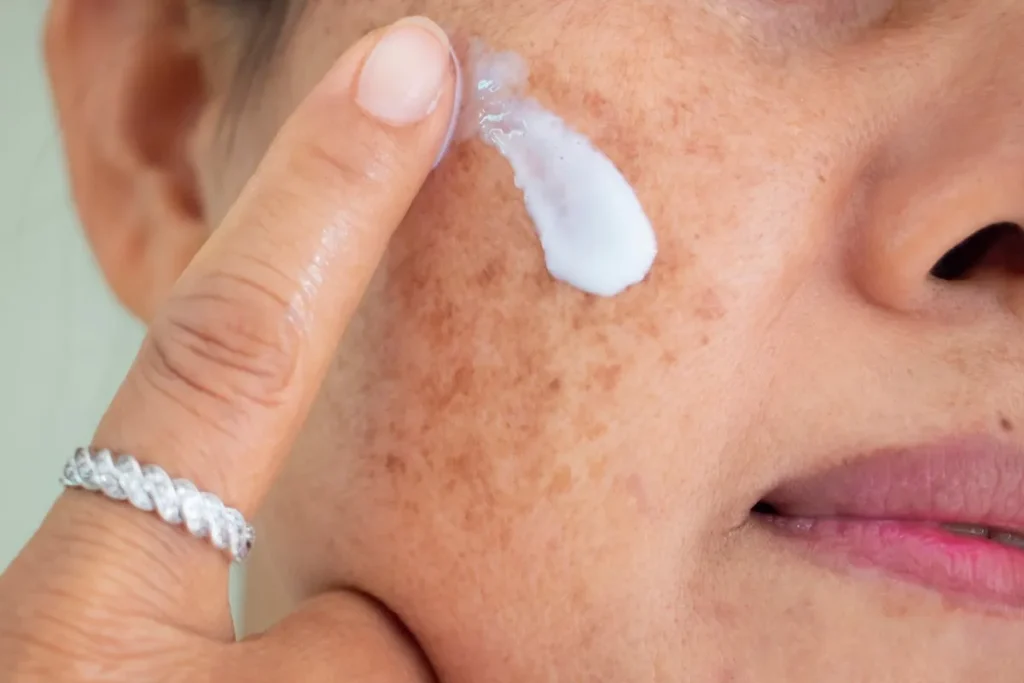
Black spots on the face, also known as solar lentigines, are a common skin concern affecting millions worldwide. Nearly half of U.S. consumers experience these discolored patches. Yet, only a fraction actively seek treatment.
These unwanted marks occur when melanin is produced in excess or distributed unevenly. Understanding the causes, such as sun exposure, hormonal changes, and inflammation, is key. By addressing the root cause, individuals can reclaim their radiant glow and confidence.
Key Takeaways
Dark spots are a prevalent skin concern globally.
Understanding the causes is key to effective treatment.
Targeted treatments can help eliminate dark spots.
Professional care from trusted healthcare providers is essential.
Reclaiming a clear complexion boosts confidence.
Understanding Black Spots and Their Causes
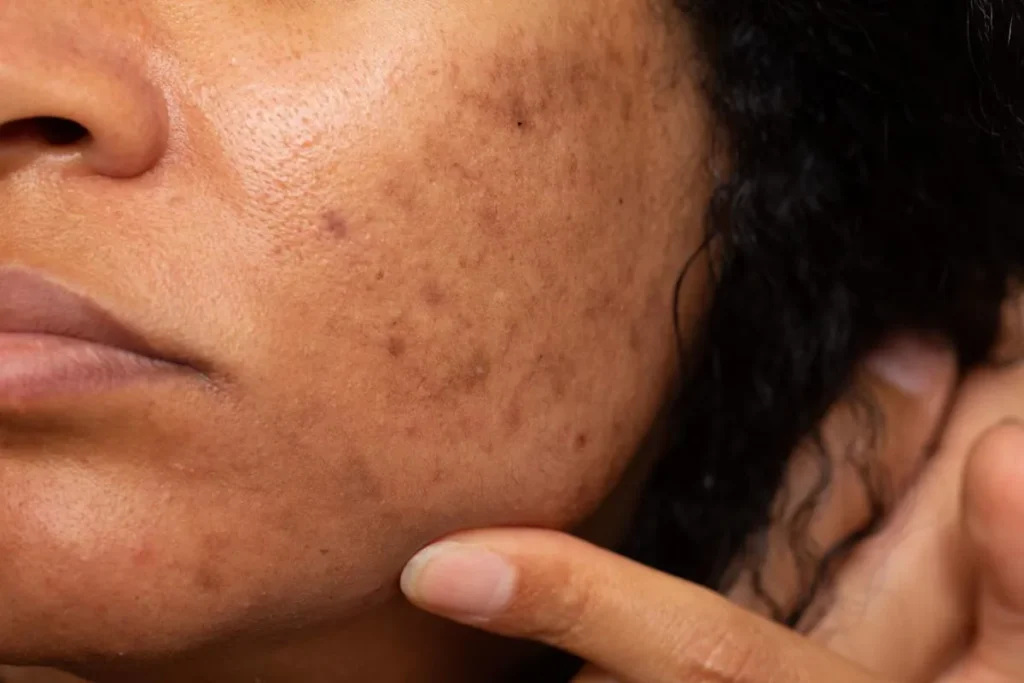
Hyperpigmentation, or black spots, is a skin issue that can be treated. It happens when the skin makes too much melanin. This can cause dark spots or patches, often on the face.
What Are Black Spots and Why They Form
Black spots are dark marks or dots on the face. They happen when the skin makes too much melanin. This is more common in people with darker skin tones.
Many things can cause black spots. Skin issues like acne or injuries, some medicines, and hormonal changes can all play a part. For example, pregnancy can lead to black spots due to hormonal shifts.
Common Triggers: Sun Exposure, Hormones, and Inflammation
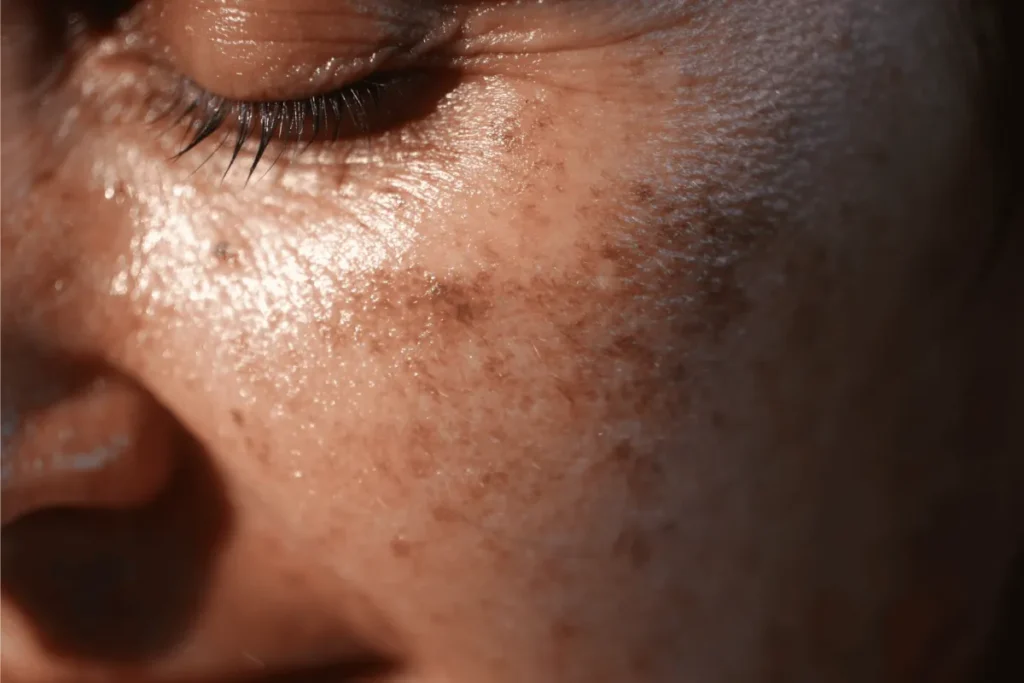
Several things can lead to black spots. Sun exposure is a big one. UV rays make the skin produce more melanin to protect itself. Using sunscreen is key to preventing black spots.
Hormonal changes, like during pregnancy, can also cause dark spots.
Inflammation from acne or injuries can lead to PIH, causing black spots.
Knowing what causes black spots helps in preventing and treating them. A good skincare routine and protecting your skin from the sun can help. This way, you can lower your risk of getting hyperpigmentation.
Skincare experts say, “Prevention is the first step to healthy, spot-free skin.” Being aware of the causes and taking action can help you have a more even-toned face.
5 Effective Methods to Reduce Black Spots on Face
Discover how to get rid of black spots on your face with these 5 proven methods. Hyperpigmentation can be tough, but the right treatments can make your skin glow. Here are the top ways to rid dark spots and boost your skin’s natural beauty.
1. Natural Ingredients: Aloe Vera and Licorice Root Extracts
Recent studies show natural products can treat dark spots. Aloe vera and licorice root extracts are promising. Aloe vera soothes, and licorice root extract reduces melanin, the dark spot pigment. For more info, check out SkinToHeart for a detailed guide.
2. Over-the-Counter Treatments: Retinoids and Vitamin C
OTC treatments are a great start for spot-free skin. Retinoids and Vitamin C are top choices. Retinoids help fade spots, and Vitamin C brightens and protects. Look for products with both for the best results.
3. Chemical Exfoliation with AHAs and BHAs
Chemical exfoliation removes dead skin cells and brightens your skin. Alpha-hydroxy acids (AHAs) and beta-hydroxy acids (BHAs) are effective. They unclog pores and reduce hyperpigmentation, improving your skin’s texture and tone.
4. Professional Treatments: Laser Therapy and Chemical Peels
For tough dark spots, professional treatments are needed. Laser therapy breaks up melanin, and chemical peels remove top skin layers. These treatments offer dramatic results with a qualified professional.
By using these 5 effective methods, you can start your journey to clear, radiant skin. Whether you like natural remedies or advanced treatments, there’s a way to eliminate black spots on your face and show off your beauty.
Conclusion: Creating a Consistent Skincare Routine for Spot-Free Skin
To get radiant, even-toned skin, it’s key to know why black spots happen. Then, stick to a skincare plan. Use natural stuff, over-the-counter products, and professional help to get rid of black spots on your face.
For a good skincare routine, start with gentle cleansers and moisturize often. Also, eat well. To stop black spots, always wear sunscreen and don’t pick at acne. For tough spots, try laser therapy or chemical peels to clear dark spots under your chin.
To keep your skin spot-free, learn to cover dark marks with makeup or treat them with special products. Understanding how to tackle dark marks and tailoring your skincare can reveal your natural glow. It’s all about embracing your beauty.
Follow these steps and be patient. Say goodbye to dark spots and hello to glowing skin. Learn how to remove dark spots and achieve beauty that lasts a lifetime.
FAQ
What are the best ways to remove dark spots from my face?
To remove dark spots, try natural ingredients like aloe vera. You can also use over-the-counter treatments like retinoids. Professional treatments like laser therapy are also effective.
How can I get rid of dark marks on my nose?
For dark marks on your nose, use chemical exfoliation with AHAs and BHAs. Over-the-counter treatments with vitamin C can also help.
How do I remove black spots on my face caused by acne?
To remove black spots from acne, follow a good skincare routine. Use products with salicylic acid. Chemical peels can also be helpful.
What is the most effective method to eliminate dark spots under my chin?
For dark spots under your chin, keep up a consistent skincare routine. Use products with licorice root extract. Laser therapy can also give better results.
How can I hide dark marks on my face while they fade?
To hide dark marks, use a concealer that matches your skin. Brightening products can also help even out your complexion.
Are there any home remedies to get rid of black spots on the face?
Yes, home remedies like aloe vera gel, lemon juice, and turmeric paste can reduce black spots.
How long does it take to see results from treatments for dark spots?
Results vary by treatment. Over-the-counter treatments might show results in weeks. Professional treatments like laser therapy may need multiple sessions.
Can hormonal changes cause black spots on the face?
Yes, hormonal changes can lead to black spots. This is because they increase melanin production, causing hyperpigmentation.
Is it possible to prevent black spots from forming in the first place?
While you can’t completely prevent black spots, daily sunscreen, a healthy skincare routine, and avoiding acne picking can help.
What is the role of vitamin C in reducing dark spots?
Vitamin C brightens the skin, promotes collagen, and evens out skin tone. It’s key in reducing dark spots.
Can I use multiple treatments simultaneously to remove dark spots?
Combining treatments is possible. But, always consult a dermatologist to ensure the treatments are safe and right for your skin.